PANAJI
The Goa government has entered into a deal with top German development agency GIZ which is expected to boost its solar power push, with Chief Minister Pramod Sawant announcing a target of 21,200 rooftop solar systems and an ambitious goal of powering 50 per cent of Goan households through solar energy.
Sawant announced the targets while addressing a workshop on Goa's Clean Energy Transition on Tuesday after an MoU was signed between the Goa government and GIZ, supported by the German Embassy in India, to strengthen the State's renewable energy initiatives.
The partnership will focus on a host of clean energy programmes, including Net Positive Panchayats, Model Solar Villages, green cooking initiatives, Agri-PV projects, Net Zero Campuses and the Goa E-Boat Pilot Programme.
Sawant said, solar energy is a key pillar of Goa's sustainability strategy and indicated a rapid expansion in rooftop solar adoption across with a target of 21,200 installations by 2027.
A major component of the collaboration is an Agri-PV pilot project at the Goa College of Agriculture which will examine ways to combine farming and solar power generation on the same land parcel, allowing dual use of the land to enhance renewable energy output.
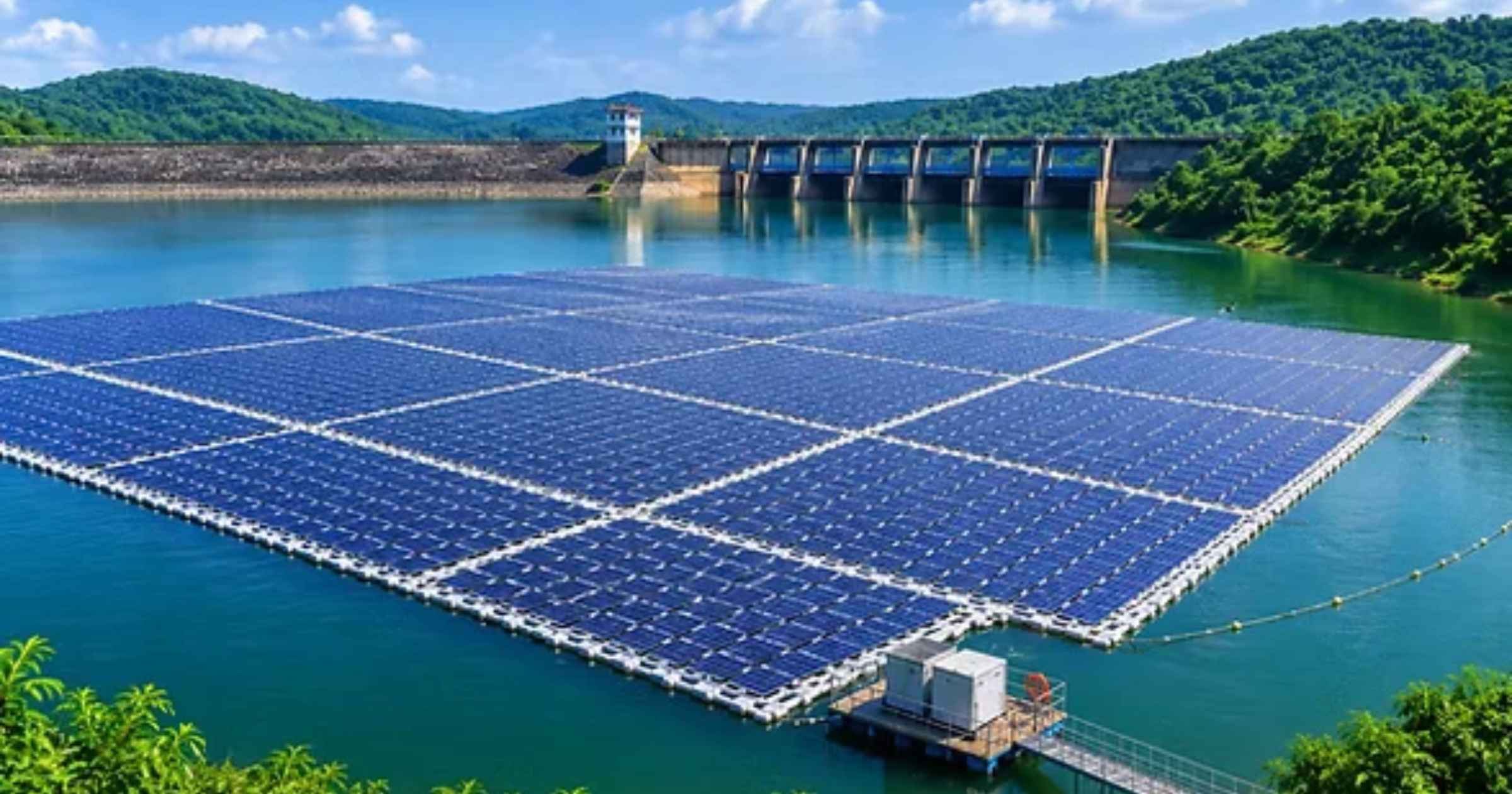
Sawant said the State is also exploring emerging solar technologies and models, including floating solar plants, canal-top solar installations and building-integrated photovoltaic systems.
Providing an update on the Centre's PM Surya Ghar scheme, Sawant said around 3,100 Goans had registered as of February 2026, adding that 289 homes have already been powered through rooftop solar systems under the scheme.
The State has also issued more than 4,700 feasibility approvals for rooftop solar projects, indicating strong interest among consumers. Subsidies worth Rs 4.28 crore have also been disbursed to beneficiaries.
Officials said the collaboration with GIZ (Deutsche Gesellschaft für Internationale Zusammenarbeit) will bring technical expertise and international best practices to Goa's clean energy transition.
The initiatives are expected to accelerate renewable energy deployment, reduce dependence on conventional power sources and support the state's long-term climate and sustainability goals.