PANAJI
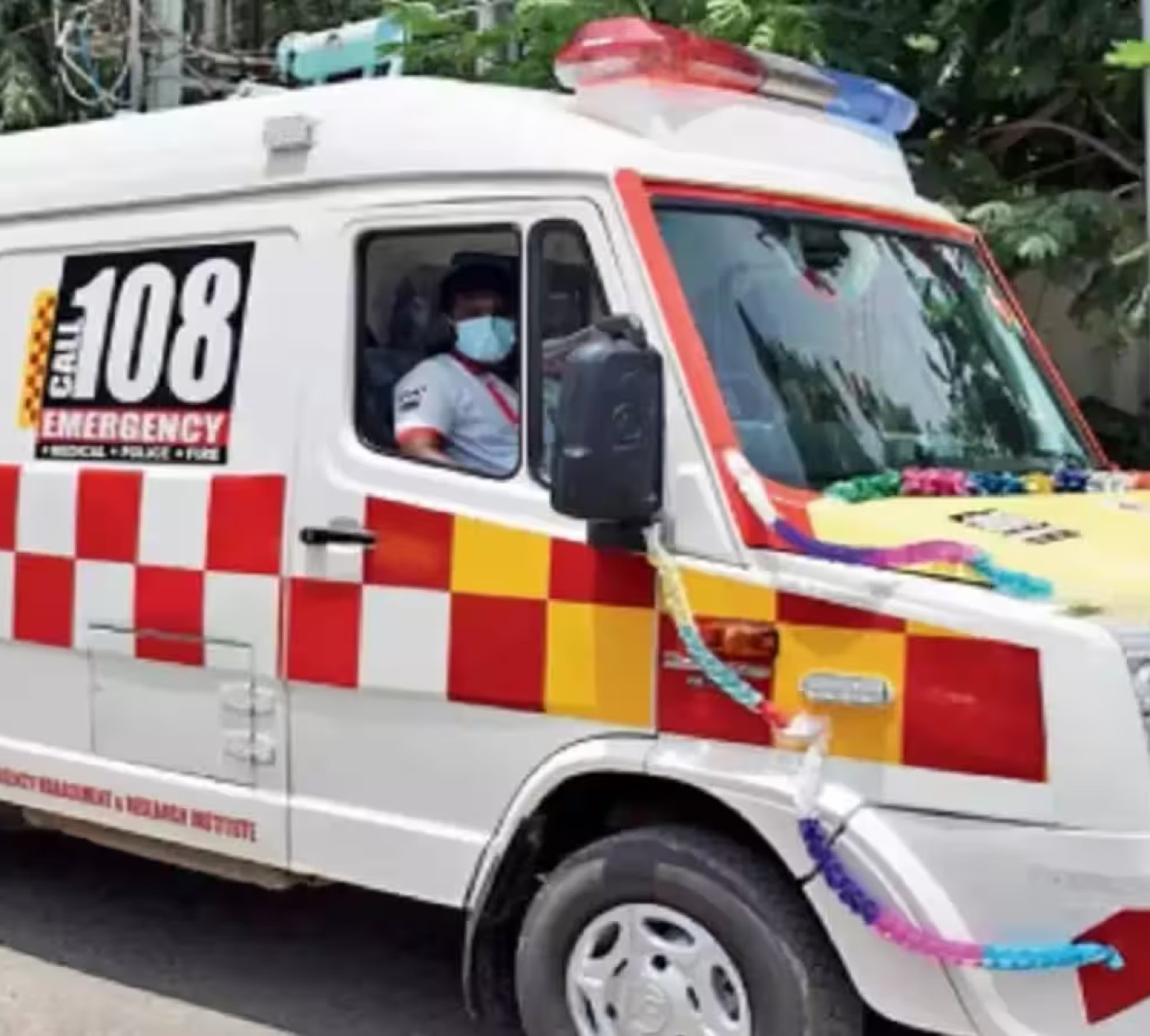
Persons with mental illness are generally denied access to Goa’s 108 emergency ambulance services, forcing the Goa Human Rights Commission to recommend dedicated ambulances for those requiring urgent mental healthcare.
The Commission made the recommendation after inspecting the Institute of Psychiatry and Human Behaviour (IPHB) and being told that community ambulance services, including 108, generally do not transport psychiatric patients. The Commission said the situation could deprive patients of timely emergency care.
“...persons with mental illness should have access to emergency medical transportation on an equal basis with other patients. A dedicated ambulance service for psychiatric patients should be made available in all talukas, or at the minimum, one dedicated ambulance may be provided for every two to three talukas, so that emergency psychiatric patients are not deprived of timely transportation,” reads the seven-page report prepared by GHRC Chairperson Bharat Deshpande and Members Desmond D’Costa and Pramod Kamat.
The report specifically cited Section 21 of the Mental Healthcare Act, 2017, which recognises the right of persons with mental illness to emergency services of the same quality and availability as those provided to persons with physical illness, including ambulance services.
The Commission also found that patients who have recovered but have no relatives or guardians to receive them continue to remain at IPHB because Goa has no halfway homes for such patients.
It recommended dedicated rehabilitation facilities offering psychosocial support, life-skills training and assistance with reintegration into the community, observing that cyclone shelters offered as possible rehabilitation spaces cannot provide a stable long-term arrangement.
The inspection also flagged the Rs 120-per-patient daily allocation for five meals as inadequate and recommended raising it to at least Rs 150. “The government examines the present dietary allocation and considers increasing it from Rs 120 to suit the needs of the patients, so that patients receive adequate, nutritious and varied food commensurate with prevailing prices. The dietary allocation should also be periodically reviewed in accordance with changes in market prices,” it said.
The Commission also found that a kitchen storeroom lacked an exhaust fan and that perishable food was being stored in a room with an air-conditioner but without a dedicated cold-storage facility.
The Commission further noted that IPHB’s inpatient capacity is expected to rise from about 190 to 250 beds and called for proportionate strengthening of medical, nursing, psychological, rehabilitation and support staff. The Commission has sought an action-taken report from the authorities by November 23.