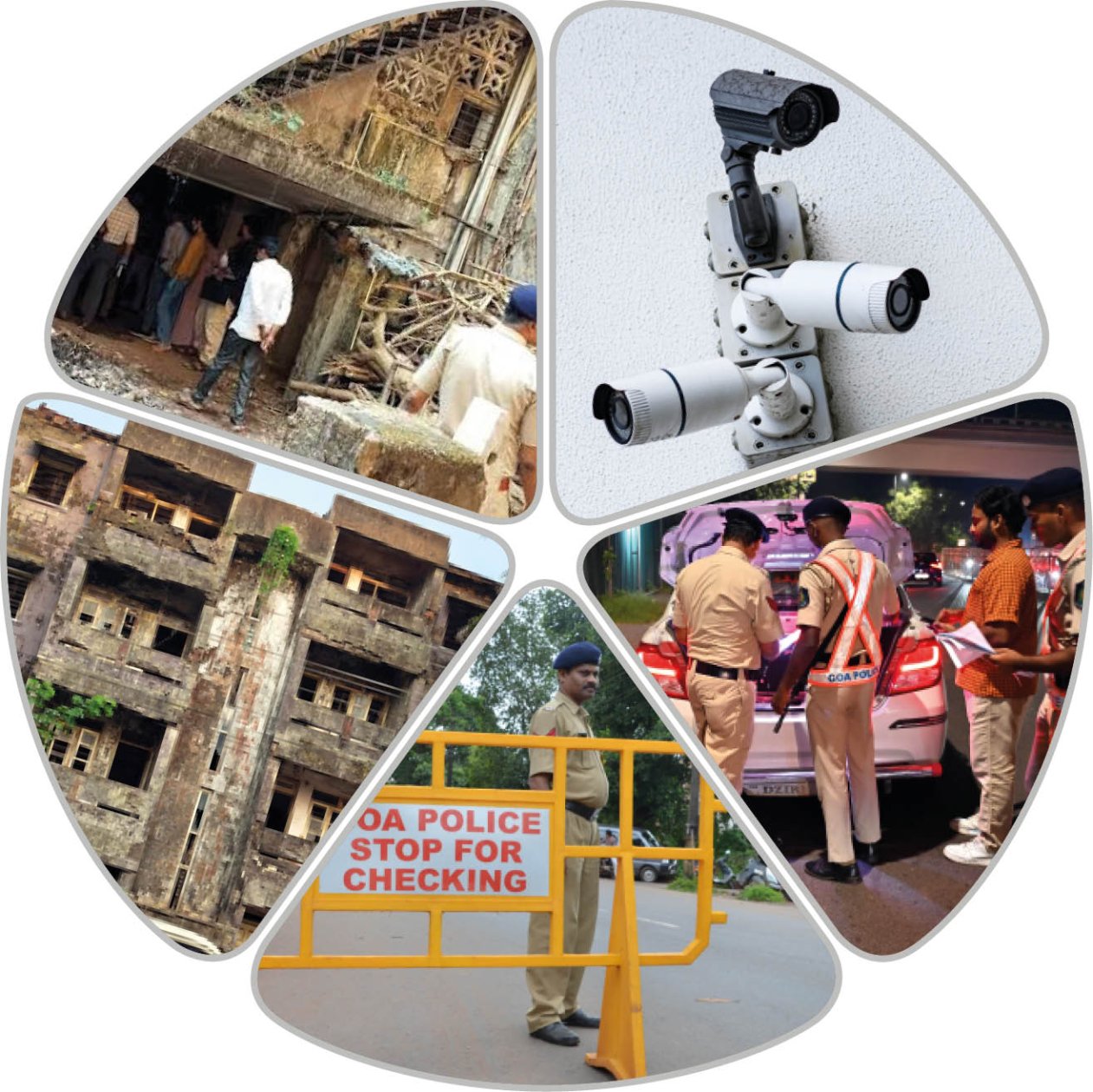
CCTV cameras have become an important tool in preventing crime, tracking suspects and assisting investigations. Yet, across Goa's towns, inadequate maintenance, defunct equipment and delays in expanding surveillance networks have weakened this vital layer of public security.
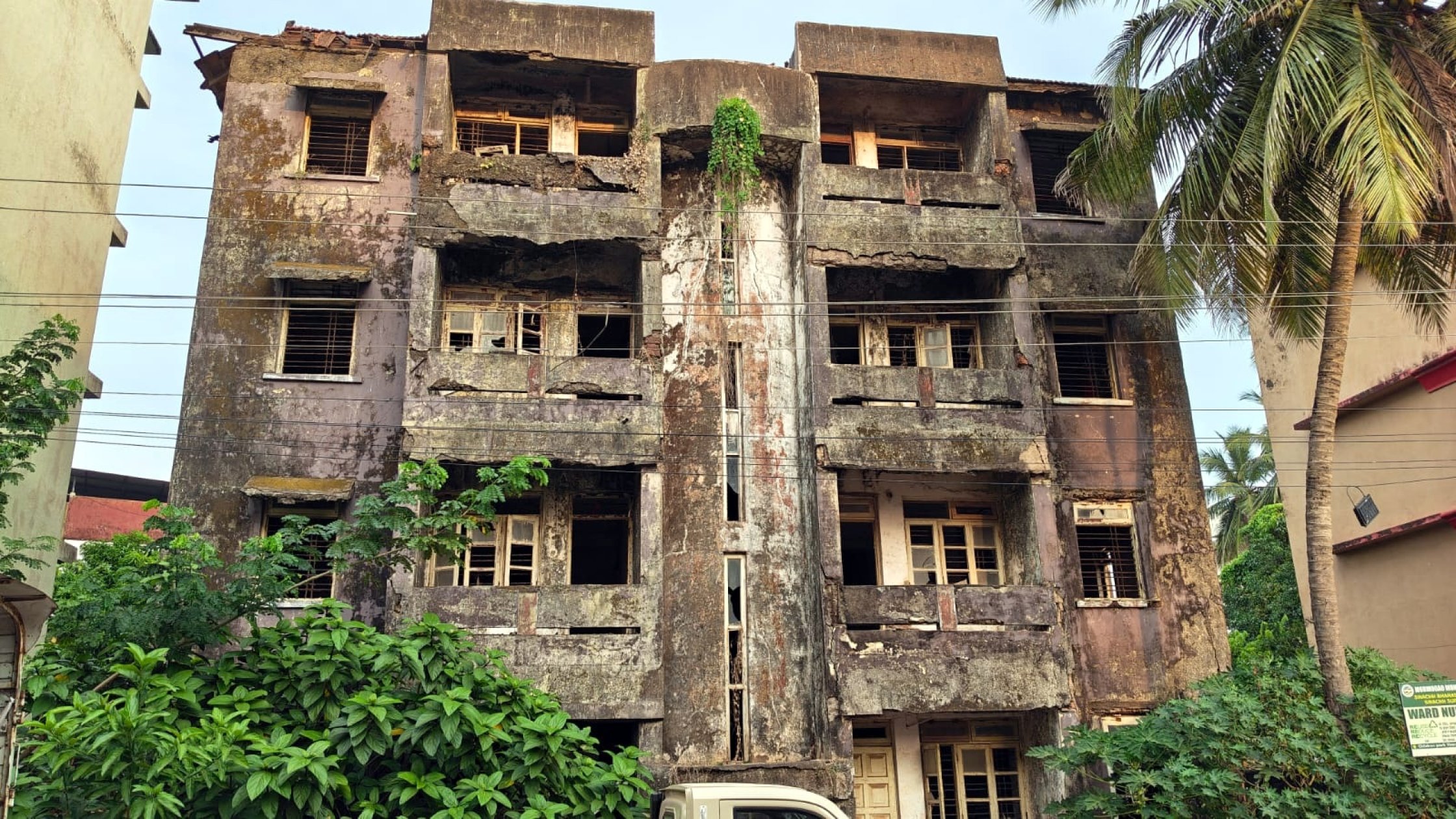
The assault on the four-year-old girl has brought Mapusa's defunct CCTV surveillance network into focus, exposing another serious gap in the town's security arrangements.
The incident has once again exposed the consequences of the town's prolonged failure to establish an effective public surveillance system. CCTV cameras could have provided crucial inputs to investigators by helping track movements around the crime scene and establish the movements of suspects.
A network gone dark
The Mapusa Municipal Council had installed 15 cameras — seven in the municipal market in 2015 and eight at strategic locations in 2018 — following repeated requests from the police. However, over time, the cameras stopped functioning, with maintenance and repair failures leaving the town without the benefit of this surveillance infrastructure.
More disturbing is the delay in reviving and expanding the network despite repeated assurances and proposals.
In February 2025, the council approved a proposal moved by Union Minister Shripad Naik to install CCTV cameras at 83 locations across Mapusa using MPLAD funds, at an estimated cost of Rs 1 crore. The project was expected to be implemented in phases, with the first set of cameras scheduled for installation in April 2025. Nearly a year and a half later, the project has made little headway.
Mapusa MLA Joshua D'Souza said the proposal to install cameras through MPLAD funds had already been given the green light and would be taken forward by the civic body.
Meanwhile, Superintendent of Police (North) Rahul Gupta has appealed to business establishments and residents to extend their CCTV coverage beyond their premises and include adjoining public spaces.
The appeal, however, cannot become a substitute for a coordinated public surveillance network. Patrolling, however extensive, has its limitations when criminals can exploit predictable movement patterns, abandoned buildings remain accessible and public spaces are left without functional cameras. The town needs a security system in which police patrolling, CCTV surveillance and municipal enforcement complement one another.
Smart city?
Panaji, meanwhile, has seen several surveillance initiatives, including projects under the Imagine Panaji Smart City Development Limited (IPSCDL). However, the promise of comprehensive CCTV surveillance under IPSCDL and other government projects is yet to translate into effective, round-the-clock monitoring.
Over the years, the city's surveillance network has faced complaints of malfunctioning cameras, poor coordination among government departments and gaps in enforcement.
The shortcomings have come into sharper focus amid persistent congestion along the casino stretch, prompting the High Court to intervene and direct officials to upgrade the AI-driven traffic cameras. The upgraded cameras, the High Court was later informed, will capture vehicle registration numbers and identify traffic violators. Effective enforcement by the authorities is, however, awaited.
The problems have previously included non-functional cameras remaining out of service for prolonged periods. Merces junction, for instance, went nearly three years without a functioning CCTV camera.
Yet, the network has also delivered results where cameras worked. Police have used CCTV footage to crack several criminal cases. Transport Minister Mauvin Godinho had recently stated that the footage can be used to assist criminal investigations when sought by the police or other investigating agencies, besides monitoring traffic.
Moreover, the new cameras installed across Goa mid-year managed to capture 10,41,658 traffic violations within just two months.
Surveillance breakdown
In Margao, the absence of a functional surveillance network has been a longstanding concern, with investigators repeatedly having to rely on footage from individual business establishments.
When young jeweller Swapnil Walke was brutally murdered inside his establishment in the commercial capital on September 2, 2020, Margao police were seen moving from one shop to another in the Alto-Monte locality, desperately seeking CCTV footage that could help identify and nab the killers.
Nearly two years later, on June 25, 2022, the police were once again undertaking a similar exercise, collecting CCTV footage from business establishments along Khareband Road to gather clues following the discovery of a body inside a pickup van parked outside a cafeteria.
A common factor in both investigations was the absence of a functional CCTV surveillance network in these localities. Had surveillance cameras been installed at strategic locations, they could have provided crucial leads to investigators and helped narrow down the search for the perpetrators of these heinous crimes.
However, the situation in Margao has hardly improved over the last five years. Barring a few surveillance cameras installed at select traffic junctions in the market area, the commercial capital largely remains without a functional network of CCTV cameras.
What makes the situation even more ironic is that Margao once had an extensive network of surveillance cameras. Installed in 2014 through MPLAD funds provided by then South Goa MP Francisco Sardinha, the cameras were expected to strengthen the city's security infrastructure. However, owing to a lack of regular maintenance by the Margao Municipal Council, the entire network eventually became non-functional.
Citizens are now asking the government a pertinent question: When crores of rupees are being spent on development projects across the state, why is there no dedicated budget provision for installing, maintaining and upgrading CCTV surveillance cameras?
“Public safety cannot be treated as an afterthought. A surveillance network is not merely an additional civic amenity; it is an essential tool for crime prevention, detection and investigation. Margao, as Goa's commercial capital, deserves a properly planned, citywide CCTV network backed by a system of regular maintenance and monitoring. It is high time the government moved beyond announcements and made public safety a priority,” remarked a citizen.
An investment wasted
The need for functional surveillance is equally evident in Vasco, where an extensive camera network installed more than a decade ago has virtually collapsed.
In crimes committed in isolated or abandoned locations, cameras around approach roads, junctions and entry points can provide crucial investigative leads, even when the actual premises are outside camera coverage.
Over a decade after 52 CCTV cameras were installed at strategic locations in 2011 under the MPLAD scheme of then South Goa MP Francisco Sardinha, Vasco's public surveillance network has virtually collapsed.
The project reportedly cost around Rs 50 lakh, but several cameras are damaged, missing or hanging uselessly at important locations. Some were reportedly stolen, while others stopped functioning due to maintenance issues. The annual maintenance requirement was estimated at around Rs 5 lakh, but attempts to secure funds and support for repairs failed to revive the system.
Originally intended to assist the MMC in monitoring civic violations and Vasco police in crime detection, the cameras could have served a wider public-safety purpose. Their absence has left important junctions and public spaces without electronic surveillance.
Functional cameras around isolated stretches, abandoned properties and access roads can help police trace suspects, identify vehicles and establish crucial timelines during investigations.
At a time when the State is investing in AI-enabled surveillance elsewhere, Vasco continues to await the revival of its basic CCTV network. Authorities need to prioritise repairs, identify surveillance gaps and establish a dedicated maintenance mechanism. Installing cameras without ensuring their functionality defeats the very purpose of the exercise.
Across these towns, the common problem is not merely the absence of cameras but the failure to maintain and effectively use the surveillance infrastructure. New installations and technology upgrades will have limited value unless accompanied by regular maintenance, coordination among departments and effective monitoring. Until these gaps are addressed, public spaces will continue to remain outside the watchful eye of the authorities.