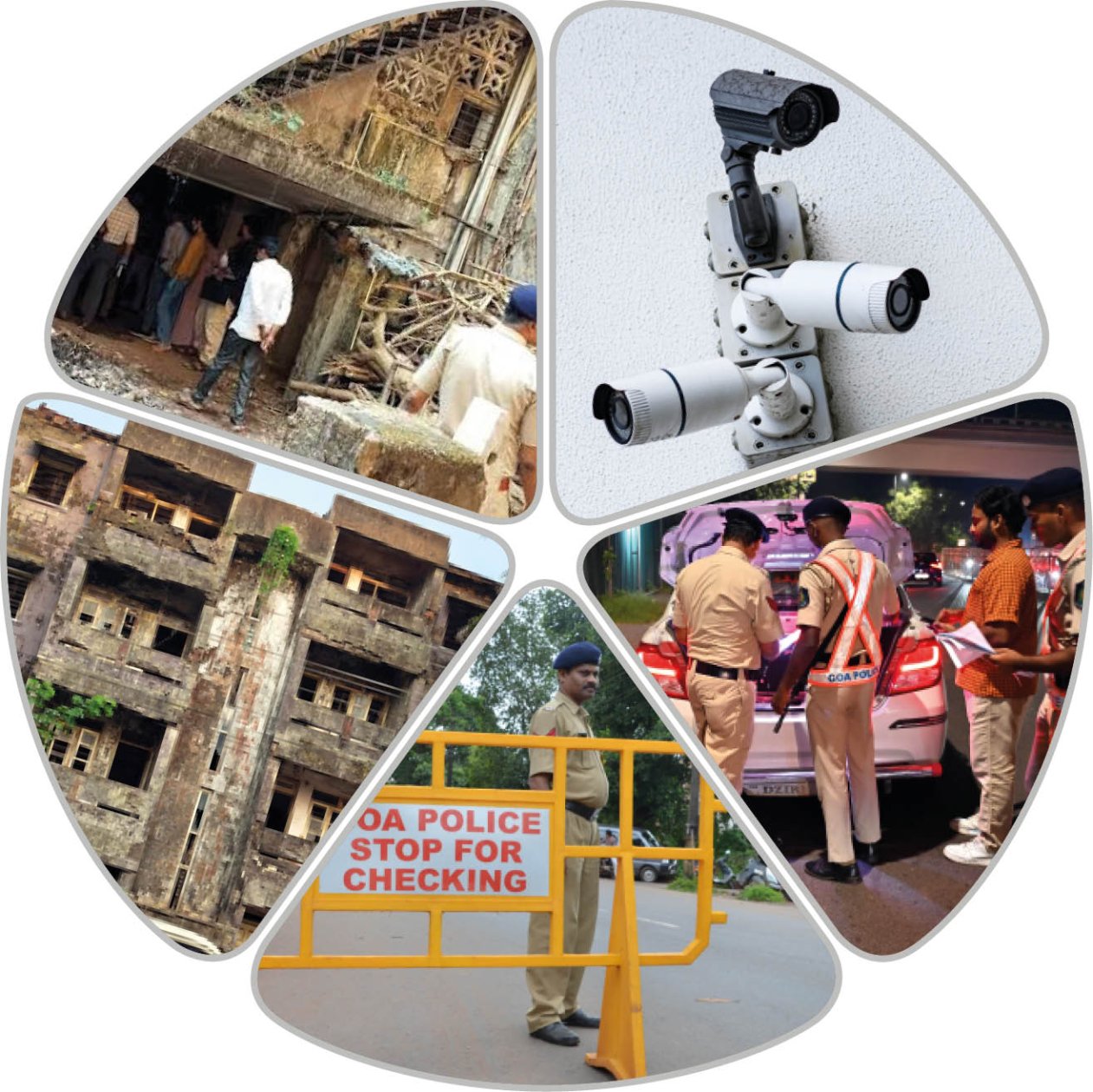
Police patrols are a key part of keeping towns safe. But across Goa, questions remain over whether the police have enough personnel and vehicles to cover their jurisdictions effectively. Despite new vehicles being added to the fleet, gaps in routine patrolling continue to leave vulnerable areas exposed.
The gap between police deployment and effective patrolling becomes evident in Mapusa, where an extensive network of patrols has not prevented a series of security breaches. From naka bandi at its entry points and foot patrols through the bustling market to motorcycle squads covering neighbouring villages, the police have an elaborate security drill operating through the day and well into the night.
A question of coverage
On paper, the arrangements appear comprehensive. Yet, a spate of shop burglaries, a break-in at a former municipal chairperson's bungalow and the sexual assault of a four-year-old girl inside an abandoned building barely 100 metres from the Mapusa police station have raised questions about why serious security breaches continue to occur in the town's busiest pockets.
According to police officials, naka bandi is conducted in two shifts, from 7 pm to 11 pm and 11 pm to 5 am, at Gandhi Circle and the Housing Board junction. Foot patrolling is undertaken between 8 am and 10 pm, with teams of two constables deployed across three different areas in the market. At night, personnel cover three sections of the market and two locations in Housing Board.
The town also has beat staff operating between 8 am and 8 pm, while motorcycle-mounted Robin patrol teams cover Mapusa, Parra and Aldona. In addition, Robot mobile patrol vehicles operating from Panaji undertake patrolling in Mapusa on call.
Despite these arrangements, burglars struck 11 shops in the Mapusa market during the first week of September. Around the same period, a former municipal chairperson's bungalow in Housing Board was burgled. The assault at Dempo Mansion, an abandoned structure in the heart of the town, has further highlighted the vulnerability of locations frequented by residents and visitors.
A police official said criminals had become increasingly strategic in planning their operations. "You cannot expect a policeman to be present in one area constantly. Burglars keep track of the movement of police and then strike at an opportune moment," the official said.
The incidents point to the limitations of conventional patrolling and the need for intelligence-led policing, better surveillance and closer monitoring of vulnerable locations.
More vehicles, same gaps
The government has continued to provide the police with vehicles to improve mobility, strengthen highway security and ensure quicker emergency response. The latest addition came earlier this week, when Chief Minister Pramod Sawant handed over 15 Kia Carens to the State Police Control Room (SPCR) fleet.
On the eve of Independence Day, August 14, another 46 vehicles were handed over to strengthen highway patrolling along the Pernem-Canacona stretch and improve mobility for traffic police, district police stations and the SPCR.
Earlier, on Revolution Day, June 18, Sawant had placed 97 two-wheelers at the disposal of the police — 32 Royal Enfield Bullets, 20 Hero Splendor motorcycles and 45 scooters — for everyday patrolling.
The 'elite force' also received specialised Kia Carens MPVs and Toyota Fortuners in the middle of last year. Sawant flagged off the vehicles under the Emergency Response Support System, adding to the force's emergency-response capabilities.
However, police sources point to a gap between having vehicles and ensuring personnel actually cover their assigned beats. The SPCR deploys four-wheelers, known as 'robots', at strategic locations, while police stations are required to send personnel to patrol their jurisdictions at least twice daily.
"These rounds are meant to cover vulnerable locations, locked houses, verification checks, banks and ATMs. Banks are expected to receive two visits daily, with personnel recording their presence in registers," an official said. The official acknowledged that patrolling often becomes more regular after a media report, an incident or formal directions from senior officers.
SPCR vehicles operate in fixed time slots at designated points, but their presence does not necessarily ensure wider area coverage. The Miramar police booth, for instance, often remains unmanned.
Manpower constraints
The constraints faced by individual police stations are also evident in Margao. Whenever burglars target commercial establishments or homes, residents question the absence of police patrolling that could deter criminals.
Residents expect regular night patrols across villages and towns to provide security and discourage offenders. However, inquiries at various police stations have revealed that shortages of manpower and logistical resources, particularly vehicles, hamper effective patrolling within their jurisdictions.
Sources said that although vehicles are provided under the Robot scheme, they remain under the direct control of the Police Control Room. Individual police stations therefore face constraints in deploying vehicles for routine patrolling and meeting local requirements.
"The Goa Police Department needs to undertake a comprehensive assessment of its manpower and vehicle requirements, taking into account the changing demands and ground realities of policing. Based on this assessment, the department should recruit additional personnel and procure the required vehicles," sources familiar with the matter said.
Another police official pointed out that police stations cannot deploy Robot vehicles for routine patrolling whenever required because the vehicles remain under the direct control of the Police Control Room.
Patrolling blind spots
Vasco presents a somewhat different picture, with police patrolling generally maintaining a visible presence. Regular movement of police personnel and patrol vehicles through busy junctions, the market and sensitive locations helps maintain a sense of security among residents.
However, the Mapusa incident raises questions about the reach and focus of routine patrolling. Police visibility on busy roads and commercial stretches is necessary, but abandoned buildings, vacant premises and secluded locations also need attention.
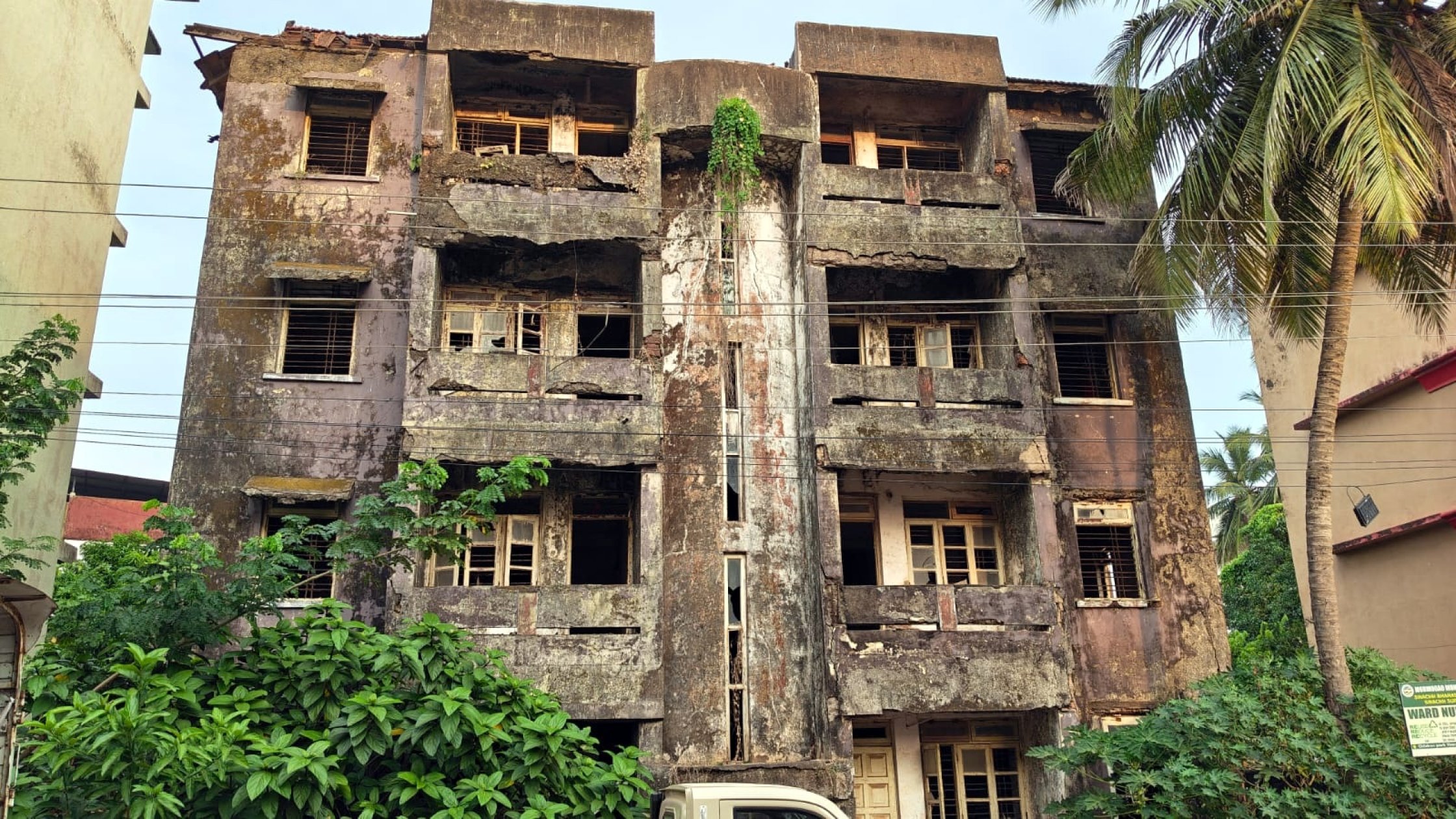
In Vasco and Mormugao, abandoned buildings often have little or no supervision. Broken entrances, open windows and unrestricted access make them convenient hideouts for anti-social elements and attractive locations for illegal activities. With little movement or scrutiny around such premises, secluded crimes can go unnoticed.
Beat officers need to be familiar with abandoned properties in their jurisdictions and periodically check whether they are being misused. They should also coordinate with municipal authorities, property owners and local residents to identify suspicious movement and prevent these structures from becoming safe havens for anti-social elements.
The challenge, therefore, is not simply to add more vehicles to the police fleet or increase the number of patrols. It is also about ensuring that personnel are available to cover assigned beats and that vulnerable locations receive regular attention.