MAPUSA
The southwest monsoon is often described as Goa's lifeline. Every year, the rains fill reservoirs, recharge groundwater sources and sustain agriculture, tourism and domestic water supply across the State.
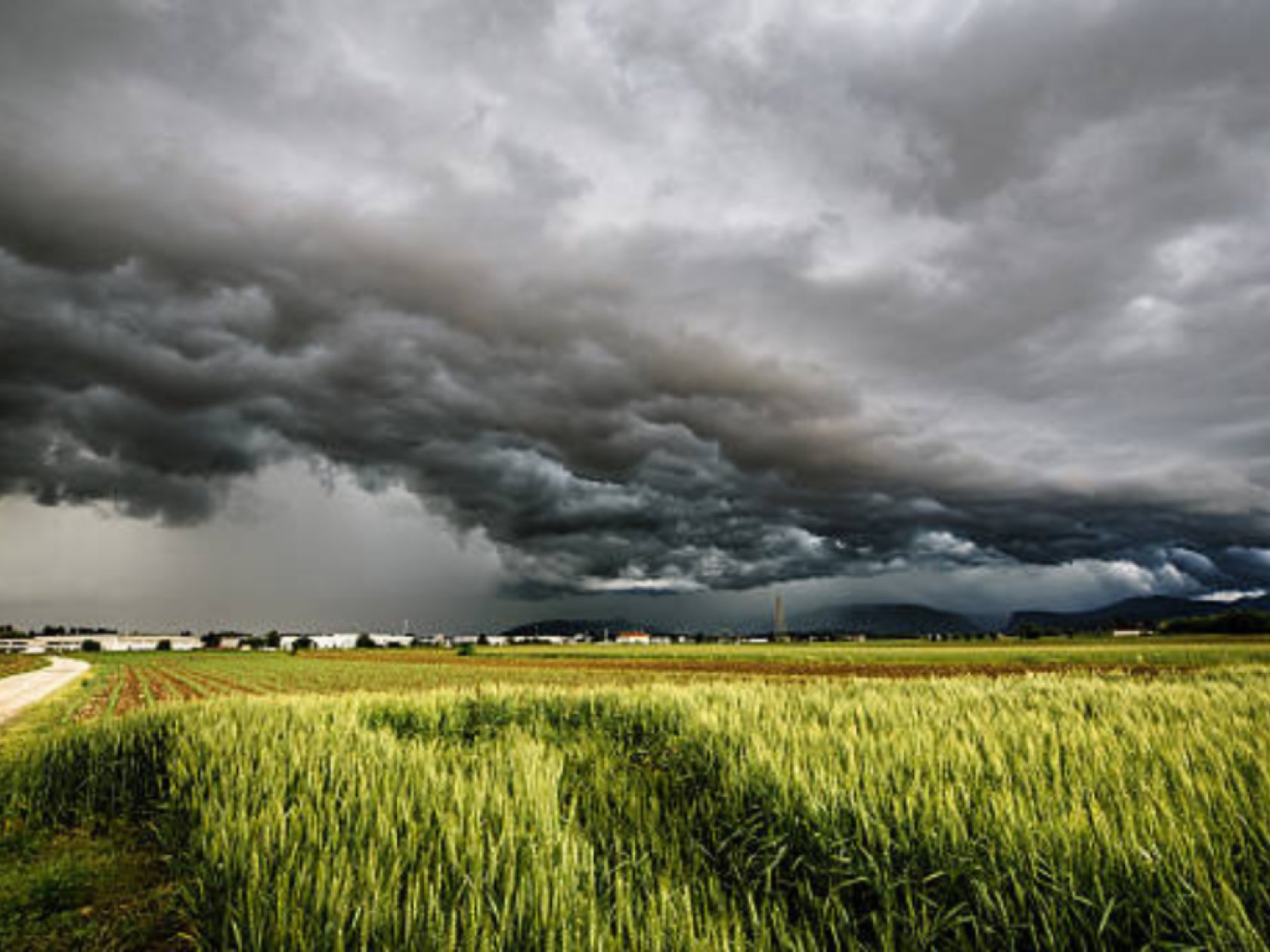
This year, however, that lifeline appears to be under stress. With Goa recording nearly 60 per cent deficient rainfall up to the middle of June and weather forecasts indicating no immediate revival of widespread rainfall activity, concerns are mounting over declining water levels in reservoirs and the State's ability to withstand a prolonged dry spell.
The monsoon may have reached Goa slightly later than normal, but the real concern lies elsewhere. Since its onset, rainfall activity has remained very weak, resulting in a significant rainfall deficit at a time when reservoirs should ideally be receiving substantial inflows.
The situation has once again brought into focus a question that Goa has largely avoided confronting for decades: Is the State prepared to face a drought-like situation if the monsoon fails to perform?
Reservoir levels under watch
The immediate concern centres around water storage levels in key reservoirs. By mid-June, the water level in Anjunem Dam, which supplies drinking water to large parts of Sattari and Bicholim talukas, had fallen to around 10 per cent. The Selaulim reservoir, the principal source of drinking water for much of South Goa, was reported to be at around 26 per cent capacity.
While officials insist there is no reason for panic, the figures have triggered public concern because reservoir levels had already been under pressure following a dry summer and inadequate pre-monsoon showers.
Water Resources Minister Subhash Shirodkar has sought to reassure the public, stating that Goa possesses adequate reserves to meet immediate requirements. The confidence displayed by the government is rooted in the expectation that the monsoon will eventually revive and erase much of the current deficit. Yet, the present situation serves as a reminder of how dependent Goa remains on the timely arrival and sustained performance of the monsoon.
Dry summer
The present situation did not emerge overnight. Goa entered the monsoon season after experiencing a relatively dry summer and below-normal pre-monsoon rainfall. Traditionally, pre-monsoon showers help cool the ground, replenish wells, recharge aquifers and prepare agricultural land for sowing.
This year, those showers were sparse and uneven. As a result, groundwater recharge remained inadequate even before the monsoon arrived. Several villages reported falling well levels during the summer months, while farmers in some areas delayed agricultural activities in anticipation of better rainfall. The cumulative impact of a dry summer followed by a weak monsoon has amplified concerns regarding water availability.
Development pressures
Experts point out that the current debate cannot be limited to rainfall deficits alone. Over the last decade, Goa has witnessed unprecedented growth in tourism infrastructure, real estate development and urban expansion. Large villa projects, gated communities, resorts and hospitality establishments have emerged not only in urban centres but also in rural villages.
The State's attractive lifestyle, relatively peaceful social environment and booming tourism industry continue to attract buyers from across the country. Bollywood personalities, business executives, retired bureaucrats and professionals increasingly view Goa as a destination for second homes and investment properties.
While this development has generated economic activity, it has also intensified pressure on natural resources. Many of these high-end residential projects include landscaped gardens, swimming pools and other amenities that require significant quantities of water.
Local residents and environmental groups have repeatedly raised concerns over the carrying capacity of villages and whether existing water infrastructure can support the pace of development. The perception among many residents is that commercial establishments and large projects enjoy priority access to water while ordinary consumers are left grappling with shortages during summer months.
“The deficit of rain is the result of loss of green cover. We are paying the price for illegally cutting down trees and converting Goa into a concrete jungle,” said Avertino Miranda, convenor of Goa Green Brigade.
He further alleged that precious water was being illegally harvested by the tanker lobby. “Most water goes to casinos, swimming polls, lawns etc. Government should clamp down on this,” he added.
The missing conservation culture
One of the most striking aspects of Goa's water story is the absence of a strong conservation culture. Unlike drought-prone States that have historically invested in water harvesting and storage systems, Goa has long benefited from abundant monsoon rainfall.
For decades, plentiful rainfall created an assumption that water would always be available. The current monsoon deficit is challenging that assumption.
Recognising the risks, Chief Minister Pramod Sawant recently directed authorities to make water conservation measures mandatory for borewell owners in an effort to improve groundwater recharge and strengthen long-term water security.
However, experts argue that rainwater harvesting remains largely confined to policy documents and building regulations. Implementation on the ground has been inconsistent. Many residential complexes, commercial establishments and institutions continue to operate without effective rainwater harvesting systems despite repeated calls from environmentalists and water experts.
Groundwater under pressure
The condition of groundwater resources presents another challenge. In many inland villages, traditional wells remain an important source of water. These wells depend heavily on annual rainfall for recharge. When rainfall is deficient, water levels decline rapidly.
The situation is even more complex in coastal regions. Rapid urbanisation, increased groundwater extraction and saline intrusion have affected groundwater quality in several areas. In some coastal belts, residents report that well water is either brackish or unsuitable for drinking. This has increased dependence on piped water supply systems and private water tankers.
The tanker economy
Water tankers have become an increasingly visible feature of Goa's water landscape. The business thrives on demand from hotels, guest houses, construction projects and residential areas facing supply disruptions.
During pipeline breakdowns and localised shortages, tankers often serve as the primary alternative source of water. Yet the tanker economy itself depends on the availability of groundwater.
If dry conditions persist and groundwater levels continue to decline, questions arise over how sustainable these operations will remain. Where will tanker operators source water if reservoirs remain stressed and groundwater recharge remains inadequate?
No immediate crisis: Officials
Senior officials maintain that the State's drinking water supply remains secure for the time being. Chief Engineer of the Water Resources Department, Dnyaneshwar Salelkar, said reservoir percentage levels do not always reflect the actual quantity of usable water available.
"People should not panic merely by looking at the percentage figures. There is sufficient raw water available with the department to supply drinking water requirements for the next two months," he said.
Similarly, Chief Engineer of the Department of Drinking Water, Vishwambar Bhende, acknowledged concerns arising from the weak monsoon but stressed that the situation has not yet reached crisis levels. "There is concern, but there is no need for alarm at present. However, citizens must understand that water conservation is everyone's responsibility. Treated water should not be wasted and should be used only for essential purposes," Bhende said.
He emphasised that awareness regarding water conservation, rainwater harvesting and sustainable water use needs to become part of everyday life. "We need to build awareness from a young age. Schools can play a major role in creating a culture of water conservation," he added.
Time to act
Although officials maintain that there is no immediate threat to drinking water supply, the current situation presents an opportunity for proactive action. Water experts advocate temporary restrictions on the use of potable water for non-essential purposes such as construction activities, landscaping and excessive commercial consumption during periods of acute stress.
They also call for a statewide water conservation campaign involving government departments, educational institutions, panchayats and civil society organisations. Measures such as repairing leaking pipelines, preventing water theft, promoting rainwater harvesting and encouraging responsible consumption can significantly reduce pressure on existing resources. Local bodies can also play a crucial role by identifying vulnerable areas and preparing contingency plans before shortages emerge.
A wake-up call
The present monsoon lull may yet prove temporary. A strong revival in rainfall over the coming weeks could replenish reservoirs and ease concerns. But even if that happens, the warning signs cannot be ignored.
The declining levels in Goa's reservoirs have exposed vulnerabilities that extend beyond one deficient monsoon season. They have highlighted the pressures created by rapid development, the lack of a strong conservation culture, growing dependence on groundwater and the need for long-term water planning.
The question facing Goa is not merely whether the rains will return. The larger question is whether the State can continue to rely solely on nature's generosity or whether it must finally embrace a more sustainable and resilient approach to water management.
For now, officials remain confident, citizens remain watchful and all eyes remain fixed on the skies. The monsoon still holds the key.