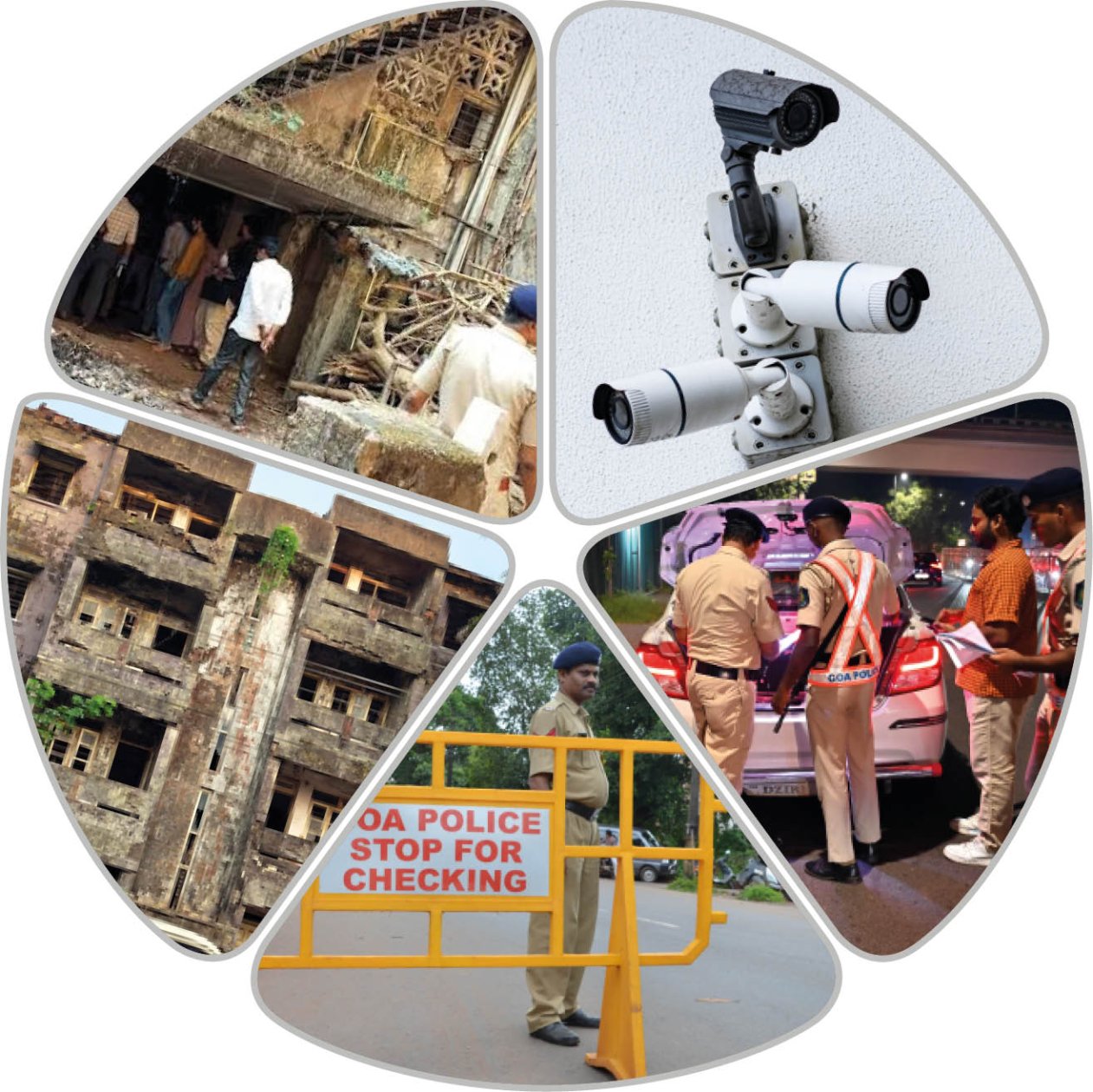
The sexual assault of a four-year-old girl inside an abandoned building in Mapusa has brought into sharp focus the dangers posed by neglected and dilapidated structures across Goa's urban centres. Besides posing potential threats to human lives and property, such buildings can become convenient hideouts for anti-social elements, particularly when they remain accessible and escape regular monitoring by civic authorities and the police.
A hidden security threat
One of Mapusa's biggest security vulnerabilities lies not necessarily on its streets, but behind the walls of abandoned and dilapidated buildings.
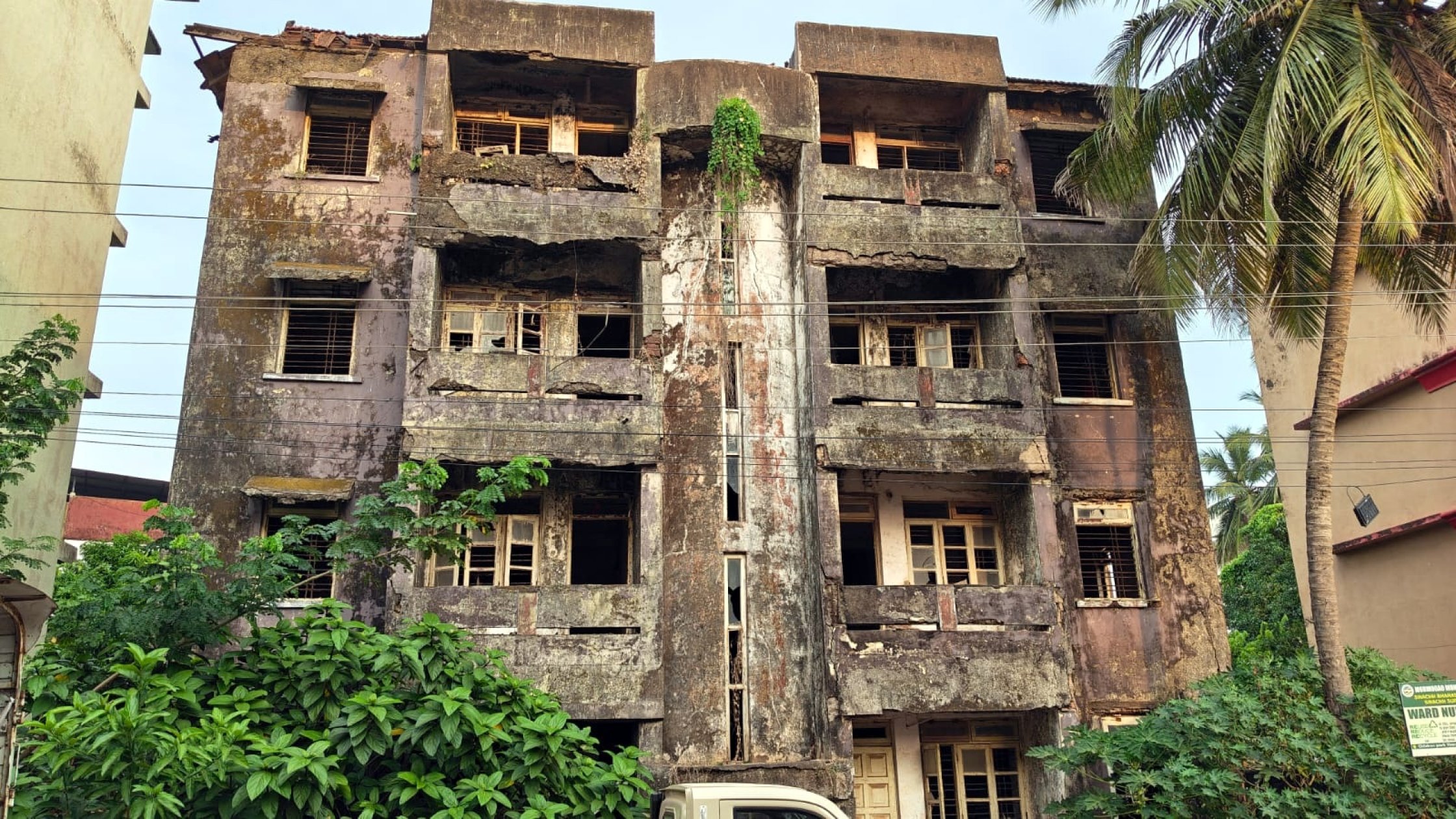
The sexual assault at Dempo Mansion has brought into sharp focus the dangers posed by neglected properties, many of which remain accessible despite being identified as unsafe.
The Mapusa Municipal Council has identified 49 buildings within its jurisdiction as unsafe and dilapidated. Among the structures that have drawn concern are Dempo Mansion, Vaz Corner at Tali-vaddo, Junta Quarters behind Alankar Theatre, Hotel Safari opposite the old municipal building and the Old Fajanta Building at Feira Alta.
Several of these properties are located in prime areas of the town, including around the central market and other busy public spaces. While their structural condition poses a safety risk, their accessibility also makes them vulnerable to misuse by anti-social elements. The larger concern is that these structures can become convenient hideouts for individuals involved in illegal and illicit activities, away from the immediate attention of police patrols and public scrutiny.
A senior MMC official said notices have been issued to owners of several such buildings, but the civic body's ability to proceed further is restricted by legal complications. In many instances, landlords are willing to demolish or redevelop ageing properties, but tenants resist vacating them over fears of losing their homes, income or tenancy rights. Court proceedings and stay orders have further complicated enforcement.
However, the question confronting the administration is whether legal and ownership disputes should leave such premises accessible indefinitely. Even if immediate demolition or redevelopment is not possible, the authorities need to explore measures to secure these properties, including sealing vulnerable entry points, restricting unauthorised access and ensuring periodic inspections.
Leaving such buildings unattended until another incident occurs is hardly a preventive approach.
Crime hideouts
The problem is not confined to Mapusa. In Margao, too, abandoned buildings have been linked to illegal activities, raising concerns about the failure of civic authorities and the police to monitor such structures.
In October 2015, a native of Karnataka was found dead in mysterious circumstances inside an abandoned, under-construction building along the busy Pajifond Road, just metres from the Power Sub-station.
Though the post-mortem examination eventually ruled out the possibility of murder, the labourer's death brought to light the rampant illegal activities taking place inside the two-storey structure. When men in uniform and concerned citizens descended on the building after the incident, which sent shockwaves across Pajifond, they found piles of matka slips, playing cards, and liquor bottles. The evidence suggested that the abandoned building had been turned into a den of anti-social activities.
The incident, however, was merely the tip of the iceberg. There are indications that several old and dilapidated buildings in the town not only pose potential threats to human lives and property but are also being used as hideouts for anti-social activities, including prostitution and gambling.
What is particularly concerning is that such abandoned and ageing structures, irrespective of whether they are safe for human habitation, appear to have escaped the scrutiny of both the Margao Municipal Council (MMC) and the Goa Police. There seems to be no systematic audit by either authority to identify the number of abandoned buildings in the town, assess their condition or ascertain whether they are being converted into dens of prostitution, gambling and other illegal activities.
Buildings beyond scrutiny
Vasco and the wider Mormugao taluka are not immune to this problem. Several ageing and abandoned structures in the port town remain poorly monitored.
The Mormugao Municipal Council (MMC) has identified 54 dangerous buildings, issued notices to around 38 and demolished seven over the last one-and-a-half years. While these figures primarily concern structural safety, they also underline the extent of properties requiring official attention.
Identifying a building as dangerous or abandoned cannot be the end of the exercise. Authorities must ensure that vacant structures are secured, access points sealed wherever necessary and owners held accountable for preventing unauthorised entry. Police beat staff should also maintain a list of abandoned properties within their jurisdictions and periodically check vulnerable premises.
Warnings without action
Panaji, meanwhile, has several structures that continue to raise concerns over public safety. The city's dangerous buildings have outlasted warnings, raising questions about how long authorities can wait before another collapse forces action.
A fire at a shop near the National Theatre a year ago revived concerns about the iconic structure beside it. Firefighters contained the blaze; the building remains shut, abandoned and dilapidated. Unknown persons and beggars shelter inside, exposing them to danger, with the situation even posing risks of anti-social activities.
The threat also covers two crumbling buildings on the St Inez-Altinho slope, the age-old Social Welfare Department office, which suffers partial collapses, particularly during the monsoon, and several others. Yet decisions on demolishing several structures are a question mark.
The Corporation of the City of Panaji (CCP) identified dangerous buildings and sought structural stability reports from Goa Engineering College, reports of which have been submitted. Now the CCP is also identifying abandoned or locked yet stable structures from the public safety point of view.
There has been progress, with a commercial building at Old Market demolished while offices in Junta House have moved out ahead of its proposed demolition.
Across these urban centres, the concerns extend beyond the structural condition of ageing buildings. Their accessibility, inadequate monitoring and potential misuse make it imperative for civic authorities and the police to ensure that identified properties do not remain unattended.