PANAJI
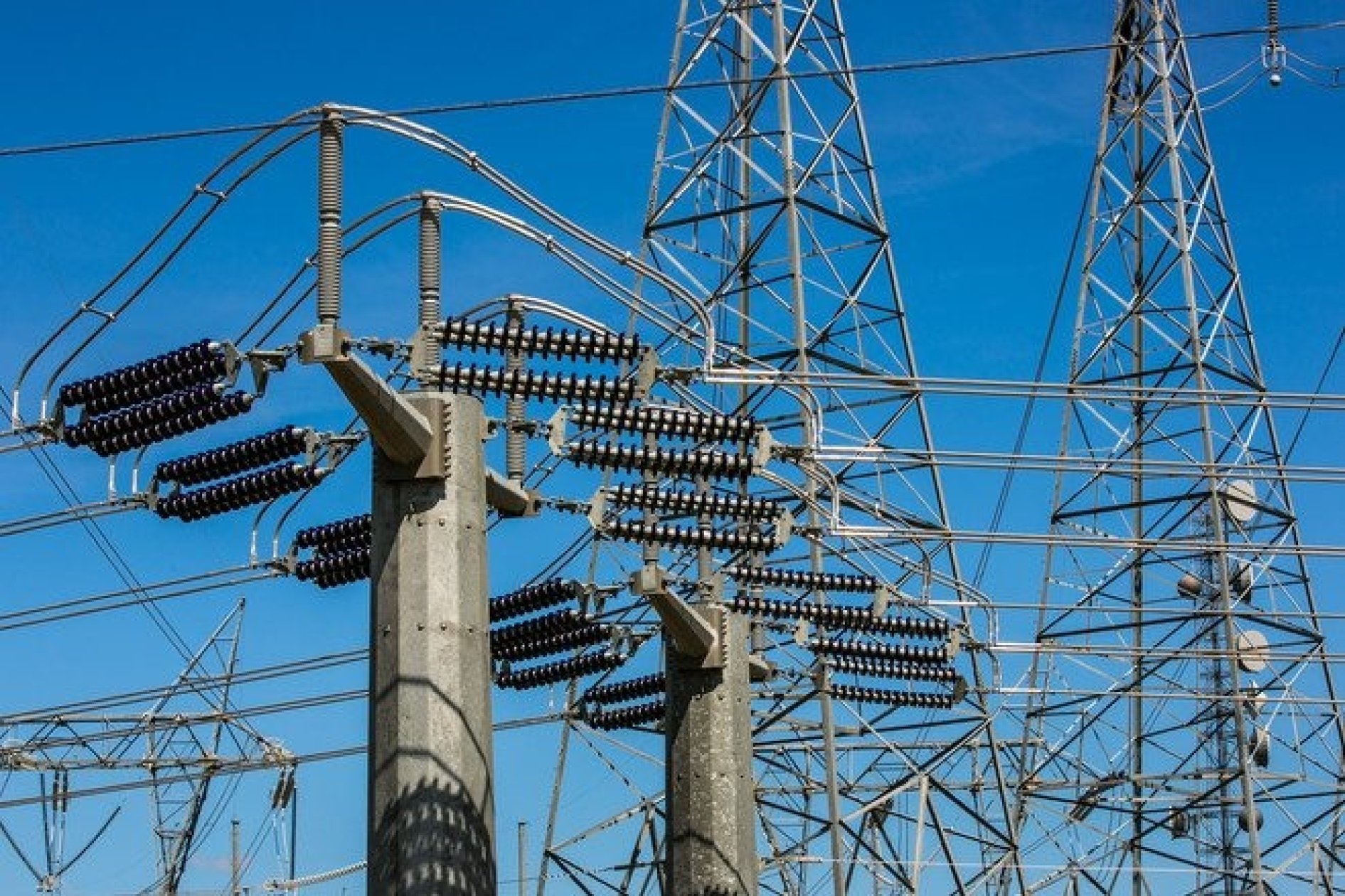
Goa's industry associations have proposed a temporary increase in electricity tariffs to help the State procure additional power and tackle ongoing shortages that have triggered load shedding for industrial consumers since mid-September.
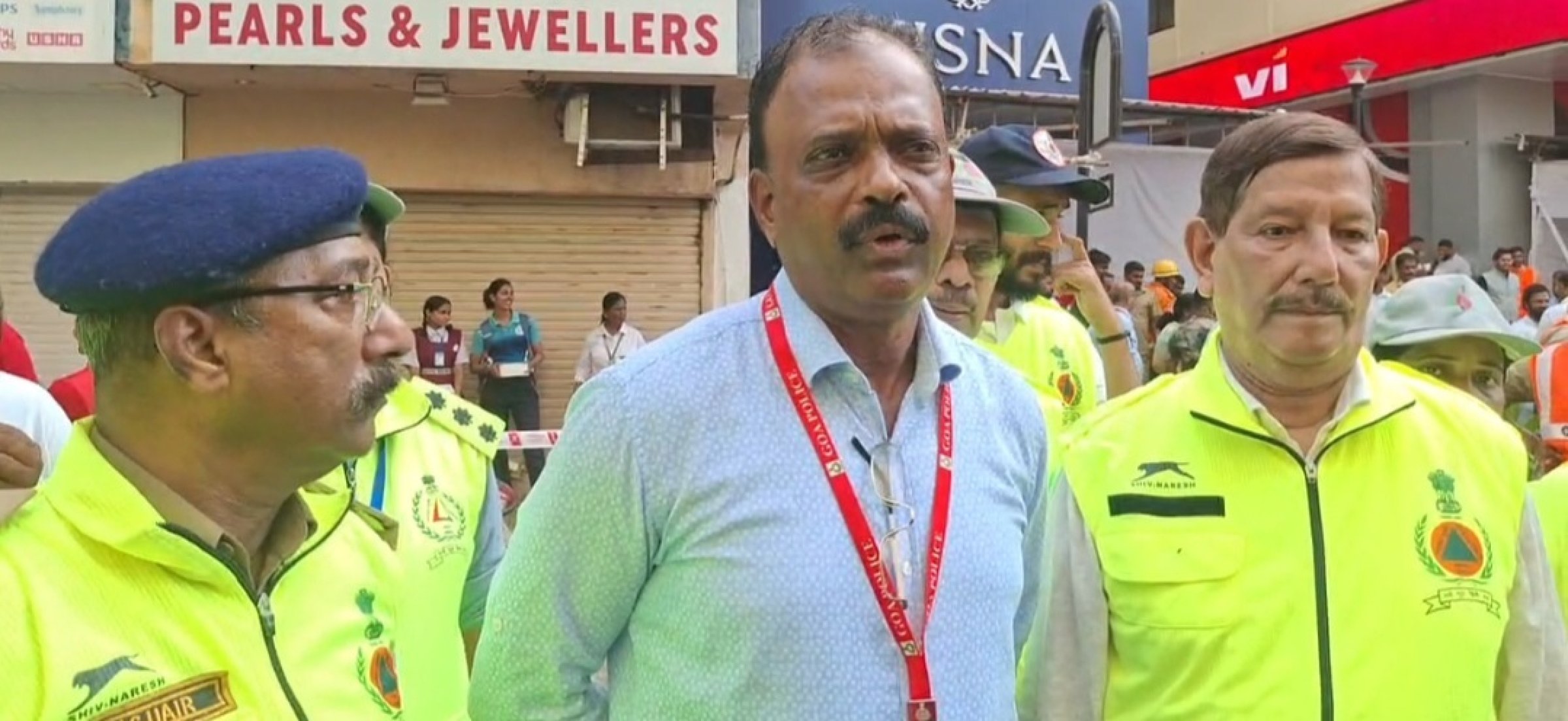
The proposal emerged during a meeting on Tuesday, the second in the last few days, between representatives of the Goa Chamber of Commerce and Industry (GCCI), Goa State Industries Association (GSIA), Verna Industrial Association (VIA), Goa Pharma Manufacturers Association (GPMA) and other industry bodies with Chief Electrical Engineer (CEE) Stephen Fernandes.
Industry leaders said the additional charges would provide immediate financial support for the procurement of short-term power while limiting the impact of outages on production and business operations.
Under the proposal, all 1,082 industrial consumers connected to 11 kV, 33 kV and 110 kV networks would pay an additional tariff of ₹0.80 per unit during solar and normal hours and ₹2 per unit during peak hours.
The State's 177 large consumers in the 33 kV and 110 kV categories would pay an additional top-up of ₹1.20 per unit during peak hours because of their higher demand.
The revised tariff structure is being proposed to take effect from November 1. The Electricity Department, meanwhile, is expected to continue efforts to meet demand through October.
Industry bodies, however, insisted that the arrangement should remain strictly temporary and be subject to periodic review.
They said the additional charges must be reduced or withdrawn once power availability improves and market rates stabilise.
While agreeing to shoulder part of the burden, industry representatives also urged the Goa government to absorb 50 per cent of the additional cost arising from the proposed, short-term or spot power purchases.
According to the proposal, industrial consumers would bear the remaining 50 per cent, creating a cost-sharing mechanism between the government and industry to address the energy crunch.
Industry representatives argued that uninterrupted power supply is critical for manufacturing output, machinery safety and the competitiveness of Goa's industrial sector.
Fernandes, meanwhile, told the meeting that the power shortfall was primarily due to a weak monsoon, which affected hydel power generation, and poor-quality coal impacting thermal power production.
Industry bodies also appealed to consumers across sectors to optimise electricity usage and curb wastage to help ease pressure on the grid during the current shortage.
The meeting was the second round of discussions between industry representatives and the Electricity Department on measures to manage the State's power deficit and avoid disruptions to industrial activity.