PANAJI: Goa has set a target of installing 21,200 rooftop solar systems by 2027, generating 65 MW of clean energy, Chief Minister Pramod Sawant said on Tuesday while outlining the State’s clean energy transition plans.
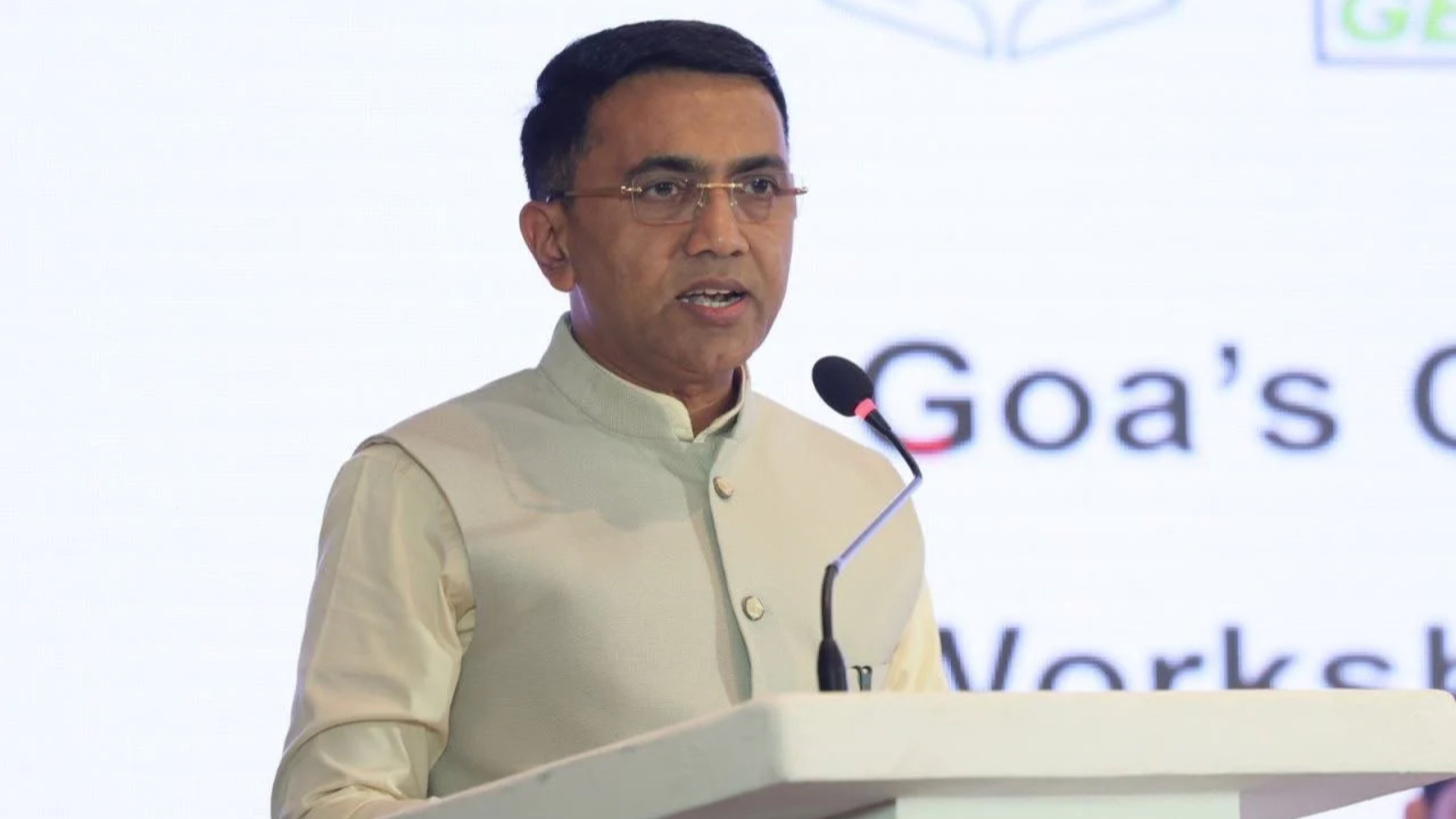
Speaking at a workshop on Goa’s Clean Energy Transition, Sawant said the government was working towards integrating renewable energy across households, villages, agriculture, public institutions and transport. “Goa is blessed with extraordinary natural resources and a unique environment. Our development journey must, therefore, be one of creating economic opportunities while protecting our natural heritage and securing a sustainable future for the people of Goa,” he said.
The Department of New and Renewable Energy, Goa Energy Development Agency (GEDA), the German Embassy and technical partners signed an MoU for technical cooperation, knowledge exchange and capacity building. A capacity development programme for government officials, supported by GIZ, was also launched.
Sawant said the programme would help officials assess emerging technologies and develop locally appropriate projects. “It is not simply a training programme; it is an investment in institutional capacity that will deliver Goa’s energy transition,” he said.
He said the State had also launched a Carbon Calculator, Net Positive Panchayat initiative and Model Solar Village programme. According to Sawant, these initiatives will help local bodies measure energy consumption and carbon footprints and develop models that can eventually be replicated across Goa.
Sawant said a Green Cooking with PM Surya Ghar integration pilot would explore the use of rooftop solar power for cooking and water heating, in addition to household electricity requirements. He said the initiative could improve indoor air quality, reduce household energy costs and create livelihood opportunities.
An Agri-PV pilot at the Goa Agriculture College will examine the possibility of combining agricultural production with solar power generation on the same land. “Our farmers should not have to choose between food and energy; they should be able to produce both on the same piece of land,” Sawant said.
He said Goa would also explore floating solar, canal-top solar and building-integrated photovoltaic projects. The Mission Net Zero Campus competition will extend the initiative to educational institutions, while the Goa E-boat programme will promote electric propulsion on waterways. Sawant also said a Climate Dome tool would help visualise and track climate data locally.
Highlighting India’s renewable energy progress, Sawant said the country had achieved 50% of its installed electricity capacity from non-fossil fuel sources, five years ahead of its 2030 commitment under the Paris Agreement. He said India’s non-fossil capacity had crossed 260 GW by the end of 2025, with renewable energy accounting for more than 254 GW.
Sawant further said the PM Surya Ghar: Muft Bijli Yojana had covered more than 50.06 lakh households across India. He said the programme had commissioned 14.8 GW of rooftop solar capacity, with Rs 28,024 crore released in subsidies through direct benefit transfers.
In Goa, Sawant said the Mukhyamantri Muft Bijli Yojana provides free installation of residential solar plants up to 5 kW for households consuming up to 400 units a month. He said Goa was also providing additional State assistance under PM Surya Ghar and had introduced a separate rooftop solar subsidy scheme valid from April 2026 to March 2028.
According to Sawant, 3,100 Goans had registered for solar units under PM Surya Ghar as of February 2026, while 289 homes were already powered by rooftop systems. He said more than 4,700 feasibility approvals had been issued and Rs 4.28 crore released as subsidies. Sawant said the government aimed to eventually bring rooftop solar to 50% of Goa’s homes, with registration camps being organised at the panchayat level.
“Our focus must now be on implementation,” Sawant said, calling for participation from local governments, communities, farmers, private-sector players, academia and development organisations. “We should not create isolated success stories; we should create models that Goa can replicate,” he said.