PANAJI
With barely four months left to meet its December 2026 deadline, the Goa government is staring at a backlog of more than 7,200 Forest Rights Act (FRA) claims, nearly 20 years after the law was enacted to recognise the rights of forest-dwelling communities.
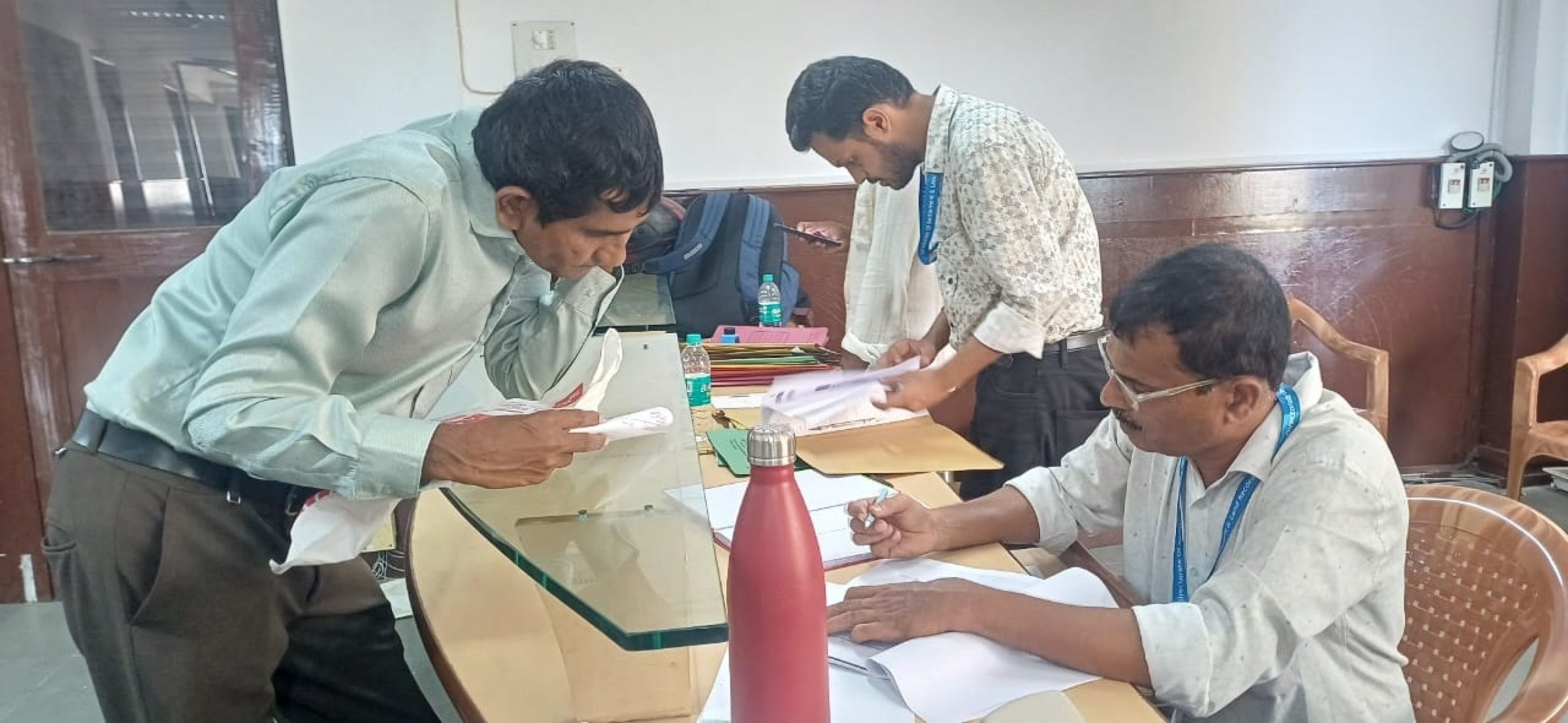
As per the information tabled in the Rajya Sabha, Goa has received 10,377 claims under the Scheduled Tribes and Other Traditional Forest Dwellers (Recognition of Forest Rights) Act, 2006, comprising 9,978 individual and 399 community claims. As of June 30, only 1,270 titles had been distributed – 1,250 individual and 20 community titles. As many as 1,901 claims have been rejected, while more than 7,200 claims continue to remain pending for scrutiny and decision. The slow implementation comes despite the government’s earlier assurance that all pending FRA claims would be settled by December 19, 2025. Chief Minister Pramod Sawant had announced the deadline while launching a special drive aimed at expediting disposal of long-pending applications. With that deadline missed, the government has now set December 2026 as the fresh target for completing the disposal of all pending claims. Officials have attributed delays to non-cooperation from claimants, non-submission of required documents and failure to participate in mandatory spot verification exercises and gram sabha meetings.
A number of claims are also rejected on the ground that the land claimed is revenue land rather than forest land. Others fail due to insufficient documentary evidence, non-compliance with provisions of the Act or the absence of claimants during field verification.
The FRA was enacted in 2006 to recognise the rights of forest-dwelling Scheduled Tribes and other traditional forest dwellers over land and forest resources. In Goa, the process of receiving claims began soon after the legislation came into force. The first major deadline for disposal was fixed for December 2013 during the tenure of former chief minister Manohar Parrikar, when around 7,000 applications were pending. Successive governments have since set targets to clear the backlog, but large numbers of claims continue to remain unresolved. Under the FRA framework, gram sabhas have a key role in determining the nature and extent of individual and community forest rights. Claims are first verified on the ground by Forest Rights Committees (FRCs), along with forest department officials and claimants. The gram sabha scrutinises and approves eligible claims before forwarding them to the Sub-Divisional Level Committee and subsequently the District Level Committee for final approval.