MAPUSA
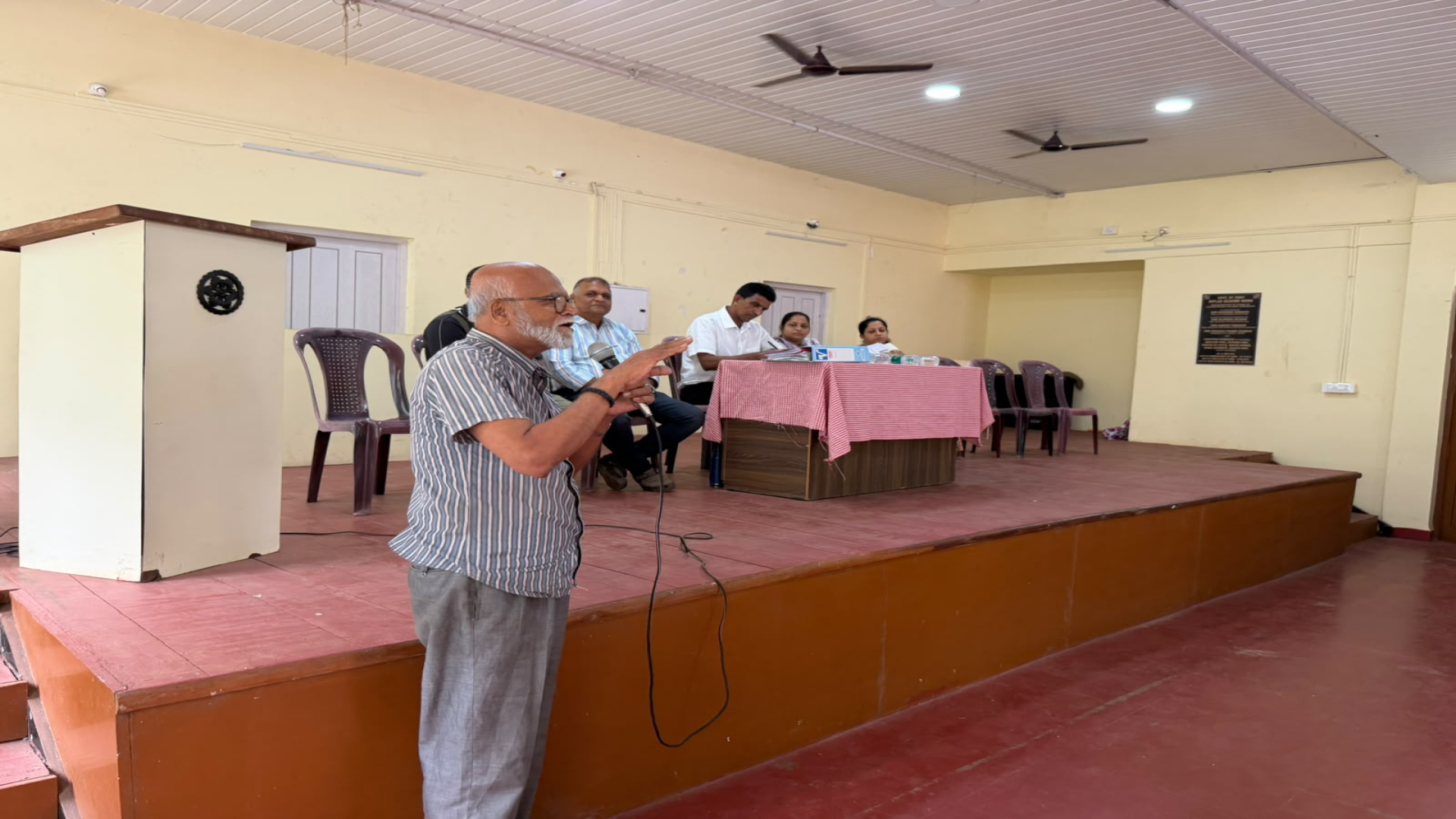
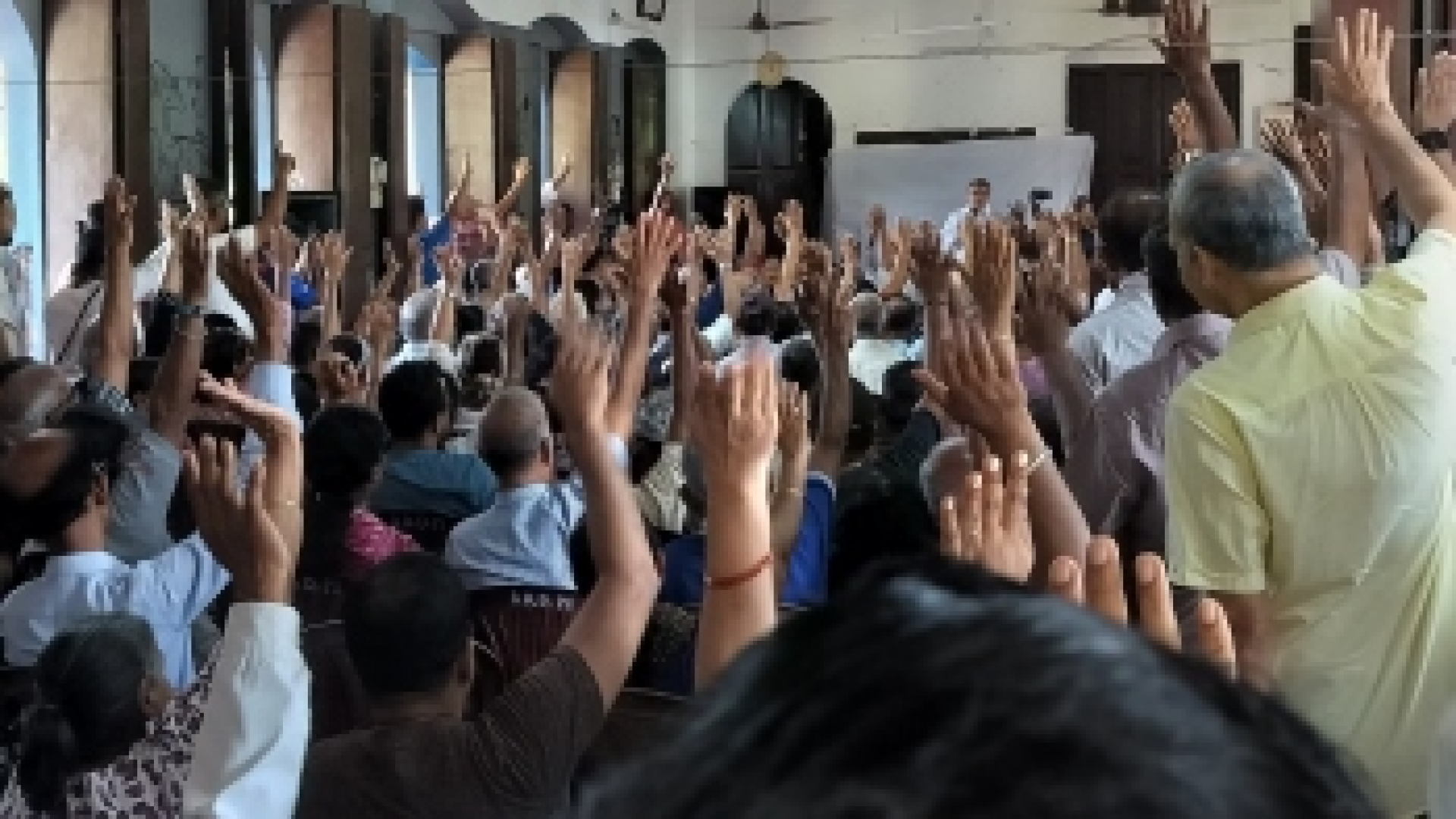
The Moira Gram Sabha on Sunday unanimously resolved to seek clarity from the Union government on the proposed Urban Frame Survey before extending any cooperation, with villagers insisting that they first be informed of the survey's objective and legal basis.
The decision came after Sarpanch Sagar Naik informed the Gram Sabha that the village panchayat had received a communication seeking cooperation for the survey. Recalling the village's earlier stand against urbanisation, Naik said the panchayat had already conveyed its opposition.
"We have consistently opposed moves that could alter the rural character of Moira. Unless there is complete clarity on the purpose of this survey, there is no justification for proceeding with it," he told the gathering.
Villager Agnelo Mendonca suggested that the panchayat obtain the official order issued by the Ministry of Statistics and Programme Implementation (MoSPI) before taking any decision. He said villagers should be fully informed about the scope and implications of the exercise. The suggestion received support from Dr Greta Costa, who also urged the panchayat to seek detailed information from the Centre.
Following the discussion, the Gram Sabha unanimously resolved that the panchayat should write to MoSPI requesting a copy of the government order along with comprehensive details regarding the proposed Urban Frame Survey.
The Gram Sabha also turned down a proposal to replace the village's existing waste collection mechanism with a contractor empanelled by the Goa Waste Management Corporation (GWMC).
Naik informed members that the panchayat has been operating its own door-to-door collection system since 2016 through four workers engaged for the collection of wet and dry waste. He said the current arrangement costs the panchayat around ₹1.50 lakh, whereas engaging an empanelled contractor would increase the monthly expenditure to nearly ₹3.50 lakh.
According to the Sarpanch, the additional financial burden would ultimately have to be met by increasing taxes or user charges. Villagers maintained that the existing system has been functioning satisfactorily and saw no reason to replace it with a more expensive alternative.