PANAJI
With just five to six months left for the Goa Assembly elections, political parties as well as leaders have quietly begun laying the groundwork for the crucial 2027 electoral battle, with political consultancy firms and survey teams already active across the State to gauge public mood and shape campaign strategies.
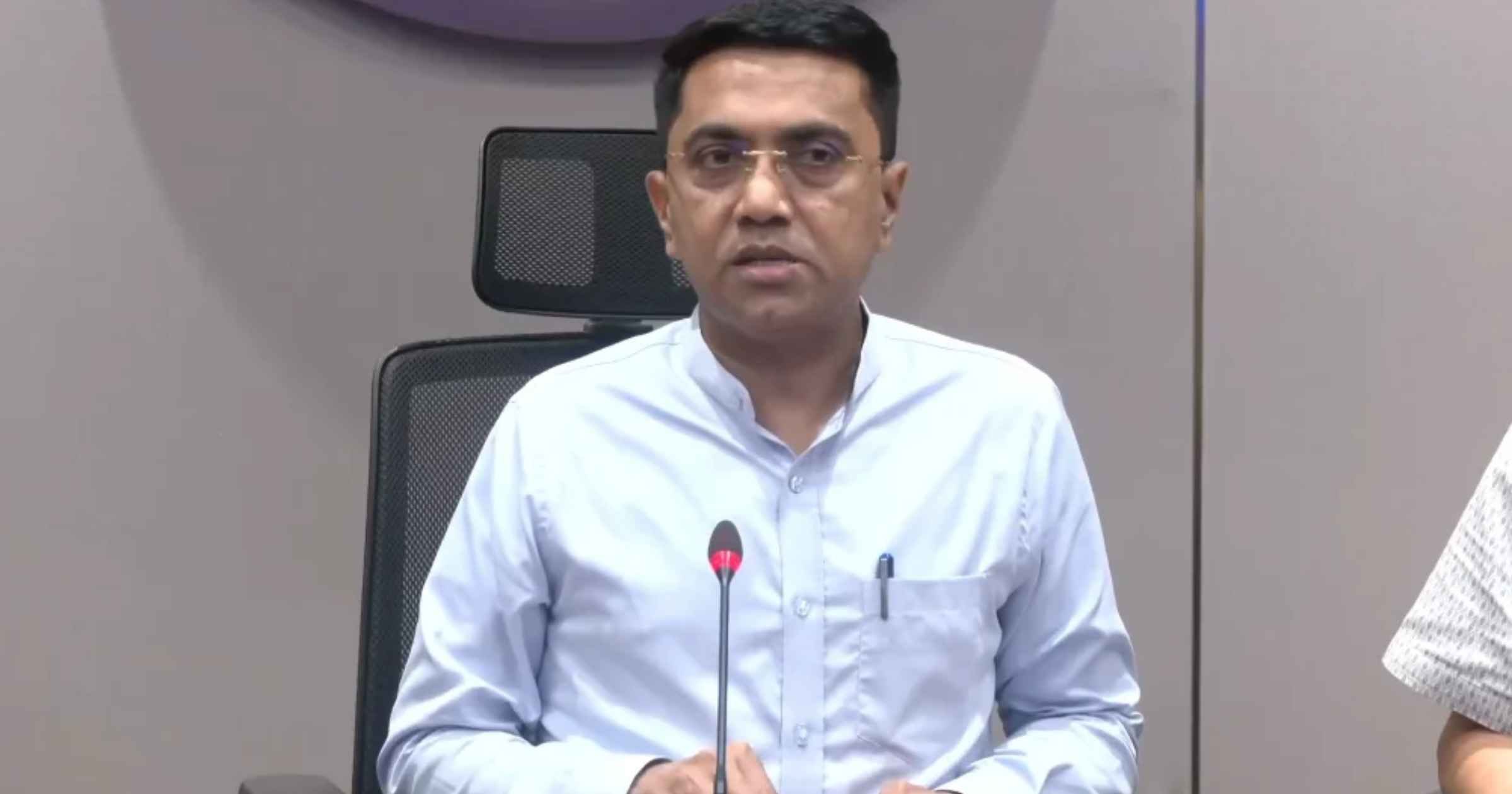
Chief Minister Pramod Sawant on Thursday announced that the Assembly elections are expected to be held in February 2027.
Several consultancy firms, including Mumbai-based Zoo Media, along with teams of qualified young professionals, have reportedly been engaged to undertake extensive voter surveys and assess the political landscape. Structured telephonic surveys are currently being conducted across Goa, with random voters -- professionals being targeted in the first phase -- receiving calls seeking their views on the performance of the government, leadership preferences and key electoral issues.
The survey questionnaires seek to measure public approval of the BJP government and Chief Minister Pramod Sawant through a five-star rating system. Respondents are also asked to indicate their preferred choice for the next Chief Minister from among Pramod Sawant, Vishwajit Rane and Vijai Sardesai, besides identifying the political party they are likely to support in the upcoming elections. The callers seek ratings for the government's performance on parameters such as development, corruption, unemployment, scams, law and order, infrastructure and delivery of public services. Voters are also asked whether they believe Goa is moving in the right direction and what they consider to be the biggest challenges facing the State.
Apart from political preferences, the surveys collect detailed demographic information, including the respondent's name, age, religion, caste, educational qualifications and employment status. Sources said the questionnaires place considerable emphasis on caste and religious identity, indicating an effort to understand voting patterns across different social groups. Political observers say such exercises have become an integral part of modern election management, helping parties identify strengths, weaknesses and constituency-level trends well before the formal campaign begins.
"Every major ruling or Opposition party undertakes such exercises before elections. Preparations generally begin nearly six months in advance to understand the ground reality and identify emerging issues. However, no party relies entirely on consultancy reports. They ultimately conduct their own organisational assessment and field feedback before finalising strategy," a senior political source told The Goan. Sources said political consultants work closely not just with parties, but individual leaders, to understand their vision, priorities and electoral objectives before drawing up a time-bound campaign plan. The strategy is reviewed periodically and modified depending on changing political developments and voter sentiment.
Beyond surveys, consultancy firms are also entrusted with designing media and social media campaigns targeted at different voter segments based on age, occupation and demographic profile. Dedicated teams of content creators, data analysts, social media managers and technology professionals continuously monitor public response and recalibrate campaign messaging to maximise outreach and electoral impact.