


MAPUSA
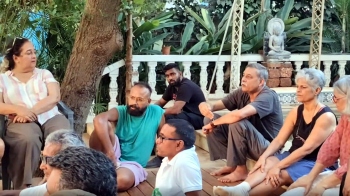
In a quiet yet passionate gathering held recently, over 50 concerned citizens “ activists, long-time residents, professionals and even neo-Goans who now call Goa home “ came together with one shared mission: to protect the villages of Moira, Aldona, Nachinola and Pomburpa from unregulated development, rampant hill-cutting and indiscriminate land-filling.
What brought them together was more than just a meeting. It was a cry for action. A shared sense of despair. And, more importantly, a determination to protect what is left of Goa’s unique ecological and cultural identity.
Cry for help
For Shamika Andrade, a resident of Moira, the daily sight of her village slowly succumbing to illegal constructions and unchecked destruction has been heart-breaking.
“We feel helpless. I see Moira being destroyed every day. There’s a pattern to this madness. Meetings like this are crucial, and so is creating a WhatsApp group for quick communication. Before worse things happen, we need to stop this,” she said with visible pain in her voice.
Manjira Sharma, who has lived in Goa for over a decade, echoed similar concerns.
Her love for the state’s natural landscape has made watching the destruction of fertile fields a deeply personal loss.
Facing harsh reality
Activist Dhiren Phadte, who has been vocal about land encroachments in the serene village of Pomburpa, shed light on how government amendments to planning laws have opened the floodgates to exploitative development.
“Politicians, regardless of party lines, are part of the problem,” he said bluntly. “Most issues begin at the panchayat level. MLAs and panchayat members are often complicit. That’s why we need to start showing up at gram sabhas. Public participation is crucial,” he added.
His appeal was clear: citizens must rise, resist and reclaim their power, one village meeting at a time.
Building resistance
The meeting didn’t just end with venting frustrations “ it laid the foundation for action. Key takeaways included: Reviving the defunct biodiversity committee in the Moira panchayat, forming a WhatsApp group to unite concerned residents from all four villages and exploring the creation of a legal cell to challenge violations and enforce accountability.
Avertino Miranda, coordinator of the Goa Green Brigade, stressed the importance of vigilance.
“Hill cutting, field filling, mangrove destruction “ these aren’t isolated incidents. The panchayats are supposed to be our first line of defence, but when they are compromised, it’s up to us to step in,” he said.
He encouraged citizens to report violations, file complaints, and demand action.
“Ninety per cent of panchayats in Goa are corrupt. If they were doing their job, Goa wouldn’t be in this mess,” he said.
While the first gathering of like-minded citizens has created a buzz of optimism and resolve, the challenge now lies in sustaining this momentum. The group knows well that change will not come overnight, and resistance may come from powerful corners.
But there is also hope. Hope that with unity, awareness and consistent pressure, these villages can be saved.
That Goa’s green cover, heritage homes and natural beauty can still be preserved for generations to come.


