MAPUSA
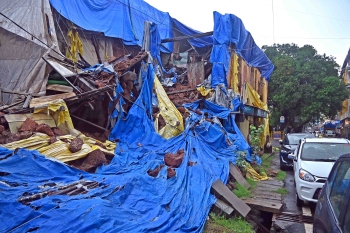
A concerning estimate indicates that more than 100 buildings in the State are deemed unsafe, with their hazardous conditions often coming to light only following partial collapses or other disasters.
Authorities frequently find themselves constrained, as most of these buildings are embroiled in legal disputes, particularly related to tenancy rights and other legal complexities.
A seasoned civil and structural engineer, who requested anonymity, revealed, "In my report, I declared 78 buildings unsafe, but due to the Tenancy Act and other legislations, the process is being endlessly prolonged. None of the unsafe buildings are getting demolished."
The situation is exacerbated by occupants on the ground floors who refuse to vacate, complicating evacuation and demolition efforts.
Government quarters, in particular, are reported to be in a dire state of disrepair.
According to the Central Public Works Department (CPWD) norms, a structural audit should be followed by a non-destructive testing condition survey to identify weak and sound parts of a building.
However, this crucial step is often neglected.
"If a structural member of a building is weak, it must either be strengthened or demolished. These are the only two options," the structural engineer emphasised.
Disagreements further complicate matters, especially in private buildings with multiple flat owners.
When a structural audit recommends repairs or demolition, consensus is rarely achieved.
"One person will say we will go for repairs, and five others will say we will demolish it. Then it is at the mercy of the contractor and the builder," the engineer explained.
Additionally, the issue of rehabilitation arises, with some residents demanding to be relocated before demolition, adding to the costs.
"Why should the government bear the cost for a private person?" the engineer questioned.
The expert proposed a straightforward solution: "They should implement a simple law declaring old buildings beyond a certain age as unserviceable and mandate their demolition."
However, even cities like Mumbai have struggled to enforce such measures effectively.