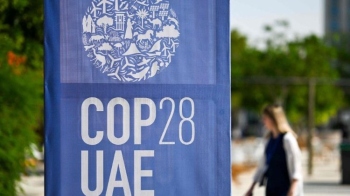
Very few of the delegates at the COP28 summit were willing to give assent and ratify the climate control policy in totality in Dubai last week. The UN wrapped up the talks with no definite headway to an otherwise subdued summit, which was directionless as the majority didn't want to part away with the burning of fossil fuels. The US and India were conspicuous in not aligning with the treaty. Some were reluctantly nudged into taking part in the proceedings.
Conventional electricity is produced by burning mainly coal, gas and fossil fuels. Green energy is not fully commercially viable to cater to the multifold necessities of the 8-billion-strong human inhabitants of this planet. Moreover, the resources are rare and very costly to produce electricity like lithium and solar panels with the ever-increasing need for electricity by the inhabitants.
The EU called this summit the beginning of the end of fossil fuel consumption. Many were at loggerheads with the crux of the issue, which is the phasing out of fossils generating carbon emissions. Temperatures are rising fast to the threshold limits of 1.5¢ above normal, dangerously high for all life forms. Sea levels are constantly rising and have risen to such an extent that will devour small islands nations and countries which have lower strata below sea level and land mass vulnerable to escalating levels. This could prove catastrophic to the people dwelling in low-lying areas, which could prove devastating in the event of earthquakes and tsunamis, which could be fully inundated, swallowing everything in its path, not sparing any existing lifeforms.
It was absolutely crucial that the COP28 Dubai summit was conducted bringing in a wider circle of nations on one platform to mutually agree to certain primary conditions of doing away with fossils and embarking on cleaner green energy production, wherein the basic initial groundwork was laid. Not all were united and stood on the same platform because differences exist within parties but the implications are huge in not conforming to uniformity. Some may opt out as it's not commercially viable to produce green energy by them and this could cause adverse repercussions of dramatic climate changes in future.
The initiative of adhering to the terms of the COP28 which emphasised on phasing out of fossils is much more beneficial in the long run and cannot be dismissed lightly. Burning of hazardous wastes laced with injurious chemicals, including fossil fuels, can elevate temperatures significantly which must be avoided to safeguard optimum levels of temperatures in climatic changes, individual discretion without visible controls is of paramount importance.