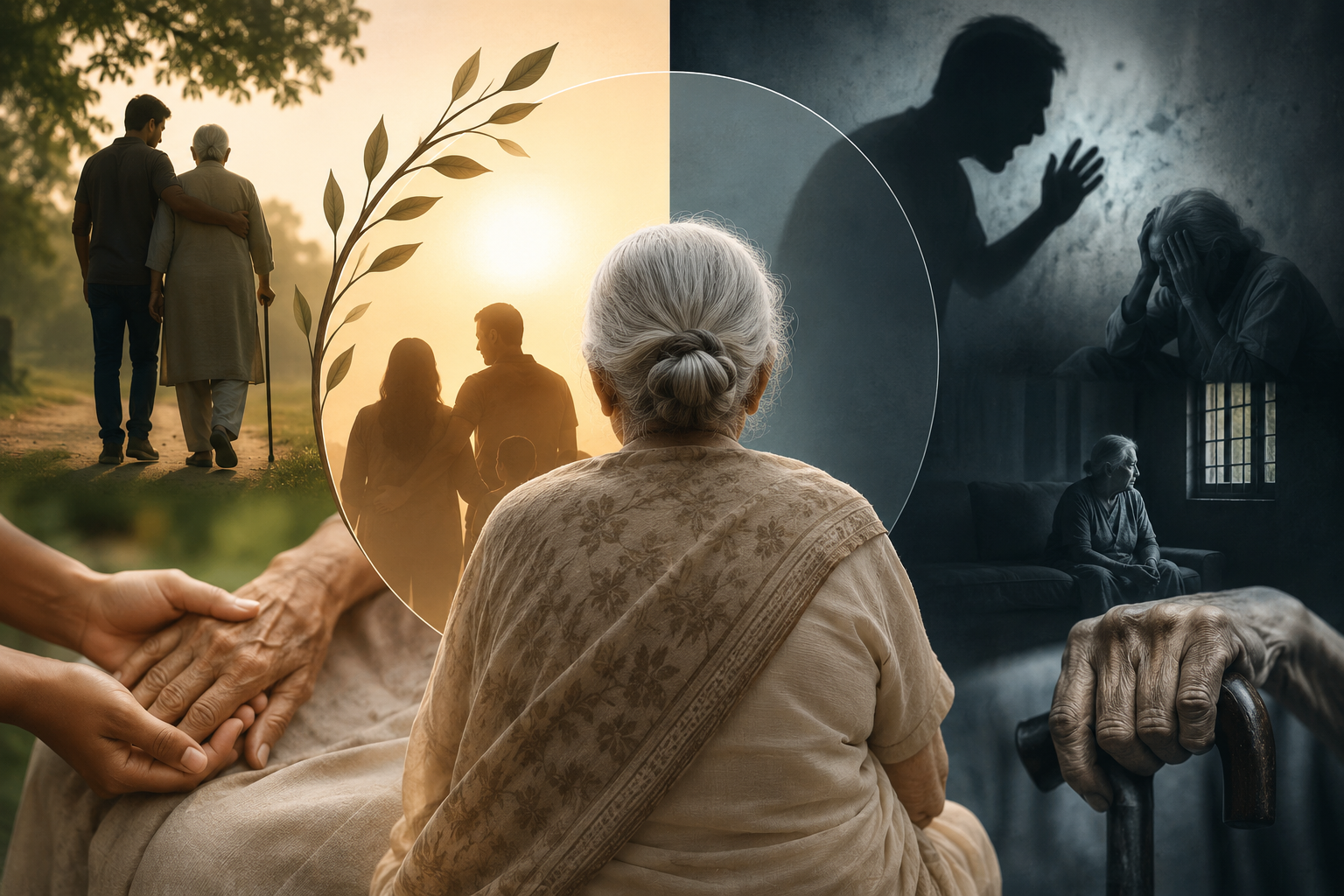
The familiar family-planning slogan "Hum Do, Hamare Do" has, in many homes, evolved into "Hum Do, Hamara Ek" or even "Hum Do, Akele Hi Bhale." More couples today are choosing to have only one child or remain child-free, reflecting changing priorities and lifestyles. Higher education, delayed marriages, career aspirations, financial pressures, and the decline of the joint family system have made raising children more challenging. With both parents often working, dependable childcare and domestic help are difficult to find. Live-in relationships and voluntary child-free marriages have also become more common, with many couples preferring personal freedom over the responsibilities of parenthood. These are deeply personal choices that deserve respect. At the same time, shrinking family sizes raise important questions about ageing populations, future workforce shortages, and the weakening of traditional family support systems. The emotional trauma faced by parents who lose an only child also highlights the vulnerability of smaller families. The changing concept of family reflects a rapidly evolving society. While individual freedom is important, it is equally necessary to recognise the enduring value of family, caregiving, and nurturing future generations.
NELSON LOPES, Chinchinim