THE GOAN | PANAJI
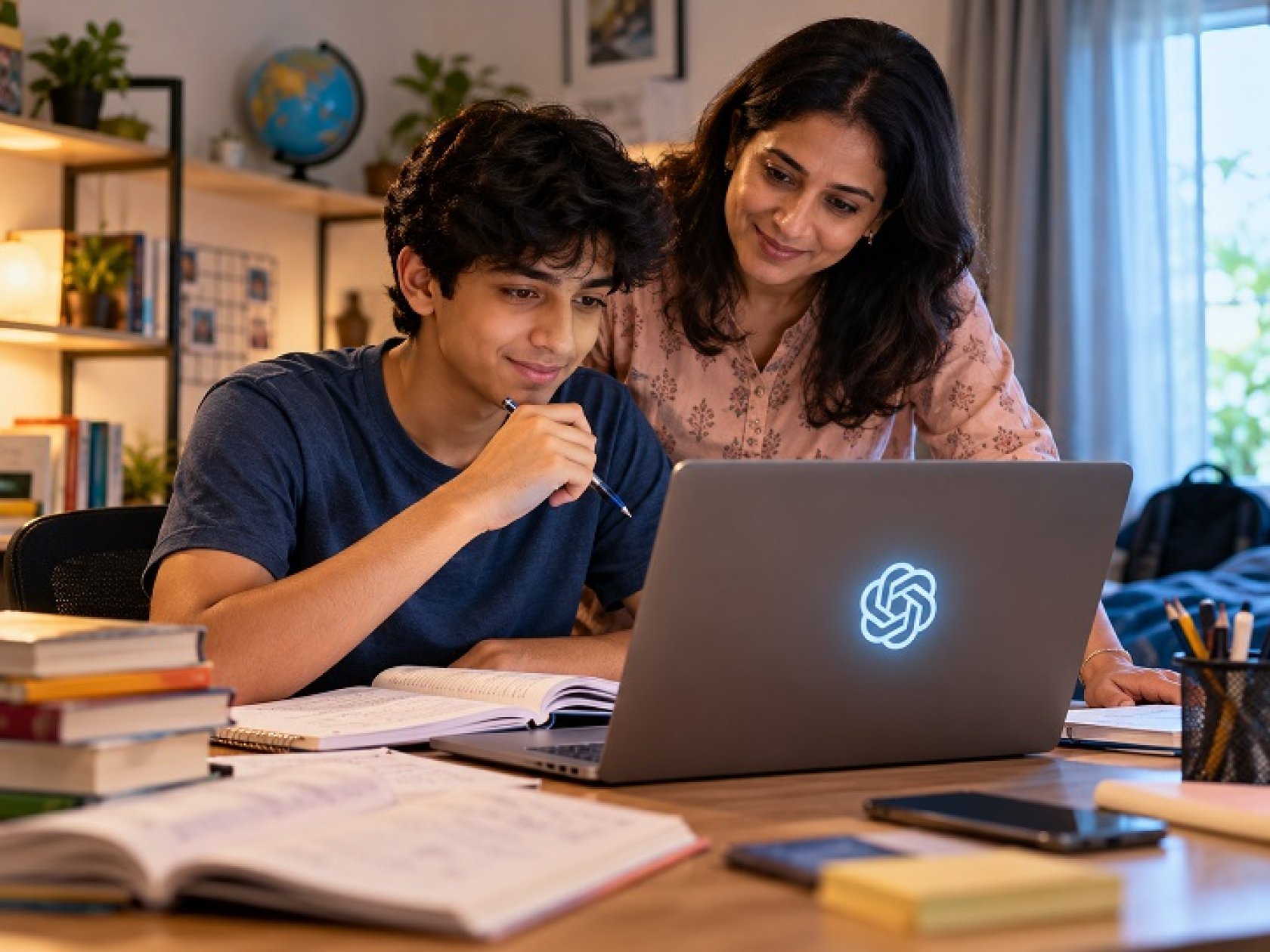
From homework and difficult maths problems to exam revision, parents often face a familiar challenge: how to help teens learn without doing the work for them.
ChatGPT for Teens brings together learning features and age-appropriate safeguards designed to support more independent learning. Here are five features parents should know about.
1. Study Mode guides learning
Study Mode turns a question into a guided learning experience. Instead of focusing only on the final answer, it can break concepts down, offer hints, ask questions and check understanding along the way.
Students can try:
“Show me where I went wrong.”
“Give me a hint for the next step.”
“Help me work this out without giving me the answer.”
The goal is to help students understand how to solve a problem, not simply finish it.
2. Homework reminders prevent shortcuts
When a teen appears to be using ChatGPT simply to complete an assignment, homework reminders can encourage them to work through it themselves in Study Mode.
For example, instead of asking ChatGPT to “write my history assignment,” students can be prompted to explore the key arguments and build their response step by step.
It’s a simple nudge towards using AI as a learning tool rather than a substitute for their own work.
3. Interactive tools aid revision
Teens can turn a chapter into a quiz, generate practice questions or ask for a concept to be explained in another way.
Learning Visualizations also provide interactive ways to explore more than 70 core maths and science concepts, helping students see how formulas, graphs and variables behave rather than simply memorising them.
4. Parental controls set routines
Linked parental controls allow parents to set Study Hours, so new chats begin in Study Mode at selected times, and Quiet Hours, when access to ChatGPT can be limited.
Parents can also manage features such as voice mode and image generation, as well as sensitive-content protections. In limited high-risk situations involving serious self-harm concerns, ChatGPT can also send parents a safety notification.
These controls are designed to help families establish healthier routines while preserving appropriate independence for teens.
5. Better prompts improve revision
Teens can use ChatGPT to structure revision, test their recall and identify areas that need more work. For example:
“Quiz me on this chapter and make the questions harder as I improve.”
“Help me create a 30-minute revision plan.”
“Ask me five questions to test what I remember without my notes.”
“Based on my answers, what should I revise again?”
Used this way, ChatGPT can make study time more active and structured, complementing what students learn from their teachers and textbooks.