THE GOAN | PANAJI
“Earth without art is just ‘eh’,” goes a popular quote that captures the importance of art in our lives. In Goa, art is also a way of keeping traditions, stories and cultural identity alive. From folk performances rooted in community life to traditional art forms practised for generations, each carries a part of the state’s heritage. On International Artists Day, The Goan speaks to artists practising these forms to understand what their art means to them, whether younger generations are interested in learning, and what it takes to pass these traditions on.
A calling
For Kaavi artist Sagar Muli, the art form feels like a calling. Having begun experimenting with it during the COVID years, he says the freedom to explore and learn on his own helped him develop his practice. “I believe I was born to do this,” he says, adding that the recognition and appreciation he has received have gradually made him a familiar face in the field. Unlike formal art classes, his journey involved learning through experimentation, without someone telling him what to do or avoid. For Muli, passing on the skill is possible as long as the learner is genuinely willing to put in the time and effort.
Keeping traditions
That willingness is equally important to seasoned ghumot player Rohan Desai, who sees music as a way of staying connected to Goa’s cultural roots. “Every beat I strike on the ghumot reminds me of the traditions, values and cultural identity of our motherland,” he says. Desai believes young people are interested in learning the instrument and ghumot aarti, and he regularly receives invitations to conduct workshops. However, workshops held during Shravan often clash with examinations, making it difficult for students to participate. He also points out that mastering the rhythms and playing in coordination with others take patience and practice. For him, the answer lies in making learning more accessible through regular workshops and opportunities to practise beyond the festive season.
Preserving authenticity
While access and time can be barriers, preserving the authenticity of an art form is another concern. Folk artist Chetan Khedekar believes Goan folk arts are deeply rooted in the state’s culture and traditions. He describes Jagor as a form of thanksgiving to local deities and nature, while also bringing people together through performances that continue through the night. Khedekar sees younger generations learning from senior artists and performing with enthusiasm. However, he cautions against allowing the pursuit of social media attention and fame to overshadow tradition. “To avoid this, we must first learn to worship the art,” he says, stressing that innovation should not come at the cost of an art form’s traditional essence.
Social commentary
For Goan artist Tomazinho Cardozo, the connection between art and everyday life is particularly evident in tiatr. Associated with the theatre form since 1964, he says its popularity comes from its ability to present issues affecting society through drama and song. The kantaram, or songs performed between acts, often highlight social concerns and criticise corruption, giving audiences another reason to connect with the performance. Although the digital world poses a challenge, Cardozo points to the participation of youngsters in tiatr competitions and children’s festivals as a sign of continuing interest. He believes parents have an important role in encouraging children to remain connected with their cultural roots. “Until Goans love their Goa, I think both platforms are here to stay,” he says, referring to tiatr and mando.
Musical heritage
Mando, meanwhile, continues to hold a place in Goa’s musical heritage. Cardozo describes it as a folk song centred on love and its many emotions, blending Goan and Western musical influences. Its faster, humorous and satirical counterpart, the dulpod, brings everyday happenings and social issues into song. Once largely associated with elite families, mando gradually reached wider audiences through cultural festivals and initiatives. Today, it remains a familiar part of Goan weddings and celebrations. “No wedding in Goa is complete without singing a mando,” Cardozo says, highlighting how the tradition continues to find a place in everyday life.
A fading art
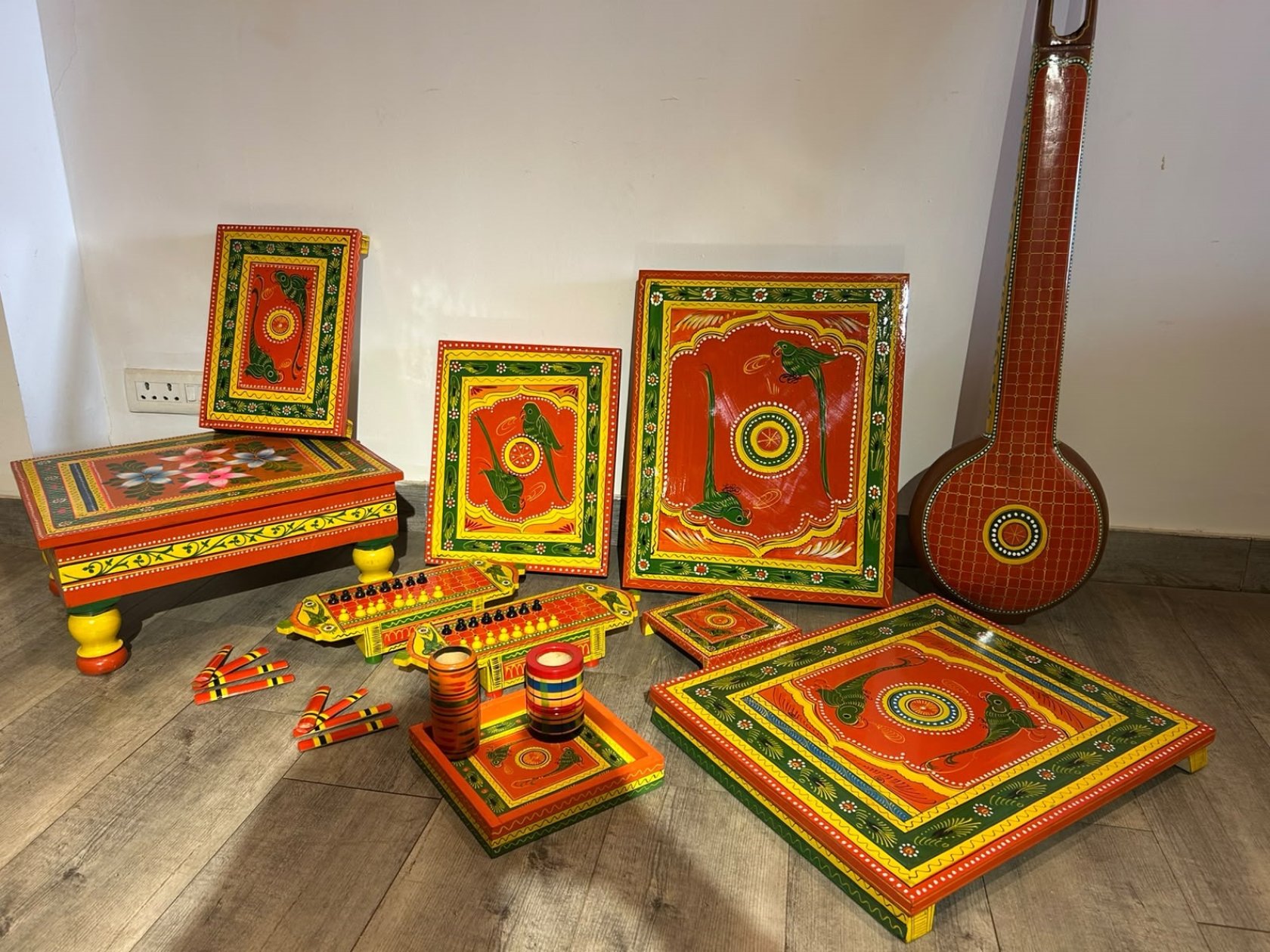
For Chitari artist Pradeep Chari, meanwhile, the art is inseparable from his identity and past. Having practised this traditional art for 60 years, he considers it an important part of his life and cultural roots. However, he feels that while younger generations may know the art form, they are less interested in pursuing it themselves. The limited income it offers, he says, makes it difficult to attract new practitioners and ensure that the skill is carried forward.
Passing it on
Across these art forms, the challenges may differ, whether it is finding time to learn, earning a sustainable income, or balancing innovation with authenticity. Yet, the artists’ experiences point to the importance of creating opportunities for younger generations to engage with their heritage. Keeping Goa’s traditional arts alive is not only about preserving what has been passed down, but also about ensuring that the next generation finds a reason to learn, practise, and make these traditions their own.