THE GOAN
PANAJI
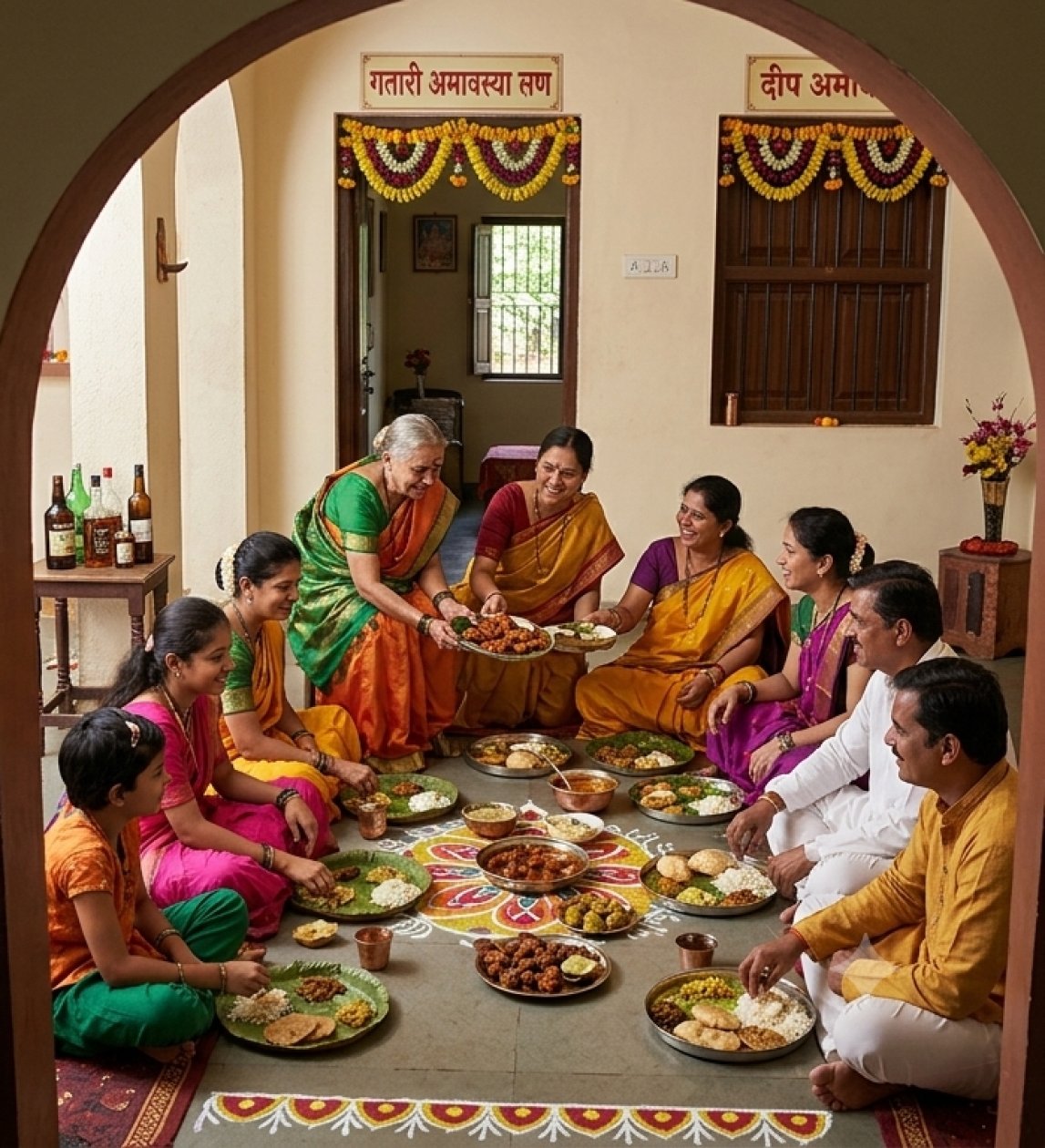
“Tomorrow we fast, but tonight we feast!” This saying sums up the mood on Gathari Amavasya, a day when kitchens are busy, dining tables are filled with favourite dishes and families come together for one last non-vegetarian meal before the holy month of Shravan begins. In 2026, Gathari Amavasya falls on August 12. While the occasion is widely celebrated in Maharashtra and Goa, it is also one of the most misunderstood traditions, with many people believing it is a festival centred on drinking or even linked to gutters.
Name confusion
The confusion begins with its name. Although the day is popularly known as "Gatari Amavasya", the traditional name is "Gathari" or "Gatahari". Over generations, the original pronunciation gradually changed in everyday speech until "Gatari" became the more familiar term. As the altered name became widespread, the observance slowly acquired an identity that differed from its original meaning.
True meaning
The word "Gathari" is believed to be derived from "Gat” meaning the thing that is gone, and “ahari", meaning diet. Thus, Gathari signifies "the diet that is left behind". The name refers to the practice of giving up certain foods before the beginning of Shravan. It is not connected to the Marathi word "gatari", meaning a drain or gutter. The popular association developed much later, largely because the day came to be known for lavish feasts and, in some circles, drinking, leading to jokes about people ending up in a gutter. Over time, the stereotype overshadowed the cultural and religious significance.
Shravan begins
Gathari Amavasya marks the end of the Ashadha month and the beginning of Shravan, considered to be one of the holiest months in the Hindu calendar. Dedicated primarily to Lord Shiva, Shravan is observed through prayers, temple visits, fasting, and simple living. Mondays, known as Shravan Somvars, also hold special importance. Many households also adopt a strictly vegetarian diet for the month, avoiding meat, fish, and alcohol, and sometimes even onion and garlic, as part of their religious observances.
Spiritual discipline
Fasting during Shravan is regarded as an act of devotion and self-discipline. Hindu traditions encourage devotees to reduce worldly indulgences and focus on reflection and spiritual growth. A simple diet is also believed to promote purity of both body and mind. Coinciding with the peak of the monsoon season (Varsha Ritu), the practice aligns human digestion with environmental changes through natural detoxification and disease prevention.
Family tradition
Against this backdrop, Gathari Amavasya becomes a day of transition. Families prepare dishes that may not appear on their dining tables again until Shravan ends. In many homes, recipes handed down through generations are prepared, relatives and friends gather for lunch or dinner, and the occasion becomes an opportunity to spend time together before the holy month begins.
Traditional feast
The menu varies across regions but always reflects local favourites. In Goa, homes may serve fish curry, fried fish, chicken xacuti, cafreal, prawn preparations or mutton curry. Across Maharashtra, mutton thalis, tambda rassa, pandhra rassa, chicken handi and seafood dishes are popular choices. Every family has its own traditions, and the day's meal often reflects recipes enjoyed for generations.
Beyond stereotypes
The occasion also has an economic impact. Many Restaurants and local eateries introduce special Gathari menus or buffet spreads featuring seafood, chicken, and mutton dishes. The popularity of the occasion has also made it a major marketing event for restaurants across Goa and Maharashtra. Despite these traditions, Gathari Amavasya is often reduced to the image of a drinking festival. Advertisements, memes, and social media posts frequently focus on alcohol and late-night parties, leaving many people unaware of the observance's actual meaning. While some people choose to celebrate with drinks, that practice is a personal choice and not a religious requirement. The essence of Gathari Amavasya lies in sharing a meal with family and preparing for the spiritual discipline of Shravan.
Cultural legacy
The festival continues to be observed because it reflects a simple yet meaningful idea. It celebrates family, food, and gratitude before a month devoted to restraint and devotion. Remembering the observance by its original name, Gathari Amavasya, preserves the cultural history behind it. Beyond the jokes and misconceptions, it remains a tradition that marks the passage from celebration to spirituality, reminding people that some of the oldest customs are rooted not in excess, but in balance.