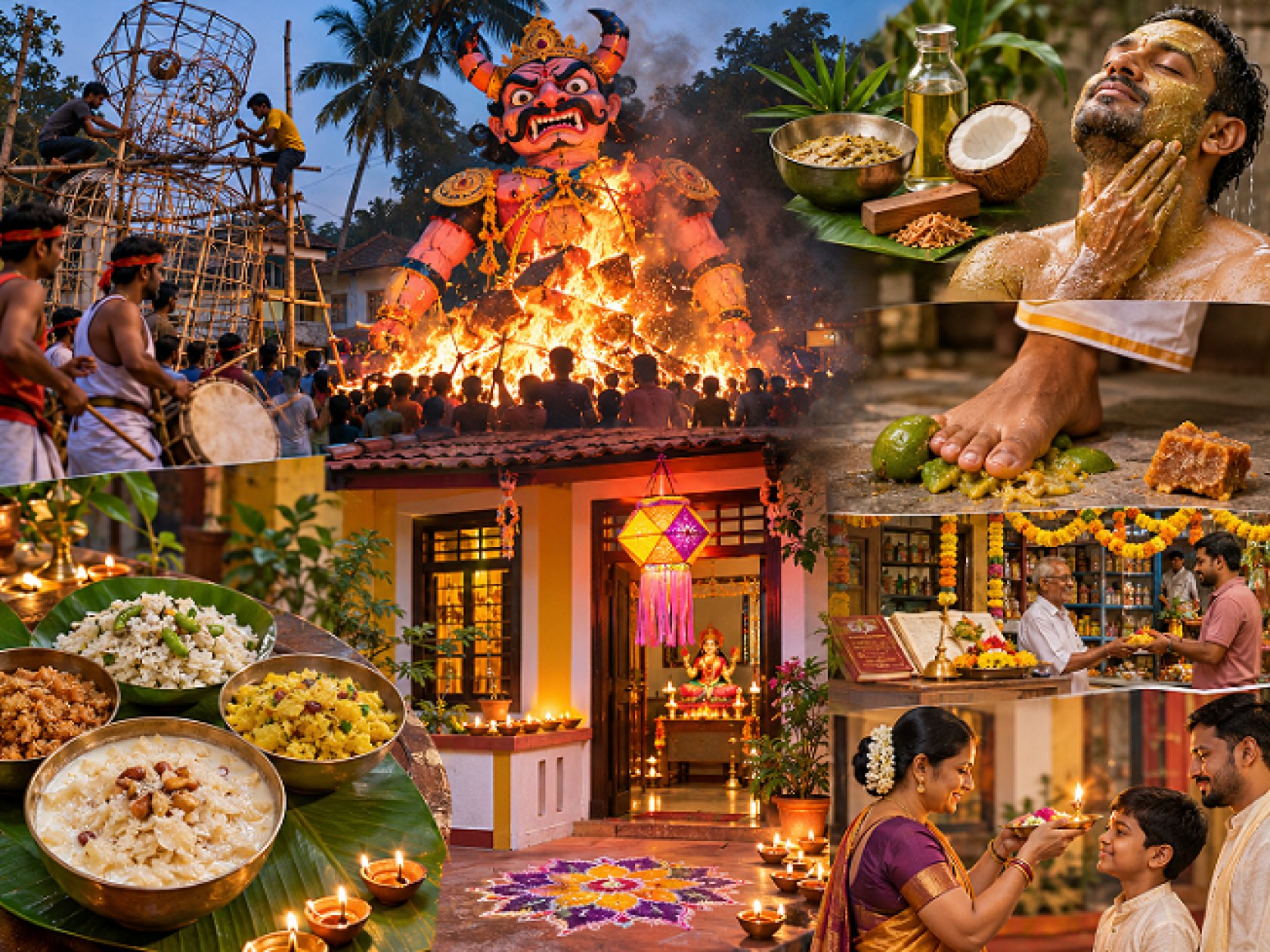
As Diwali dawns and families complete their abhyangsnan, it is time for one of the most awaited parts of the celebration: the Diwali faral. At the centre of the festive spread is fov, prepared in different ways and accompanied by an assortment of traditional delicacies and snacks. From batata fov and kalayle fov to gulache fov and kadye fov, the humble flattened rice takes centre stage on the breakfast table. Its aroma, mixed with freshly grated coconut, jaggery and other ingredients, fills Goan homes as families gather for the festive meal. For many, Diwali would simply be incomplete without this traditional preparation.
Traditional process
However, while the different varieties of fov find their way onto the festive platter, the process behind making it, particularly the traditional ghavti fov, often goes unnoticed. Long before it is mixed with coconut, jaggery or other ingredients, the rice goes through a laborious process of soaking, roasting and flattening. At the Pushpavati Rice and Flour Mill in Tivrem, Marcel, owner Jayesh Naik has kept this age-old practice alive by making ghavti fov for nearly 35 years. Having taken over the work from his father, Naik continues a family tradition that has supplied households with fov for generations. “Earlier, my father used to run this; now I do,” he says.
Soaking and roasting
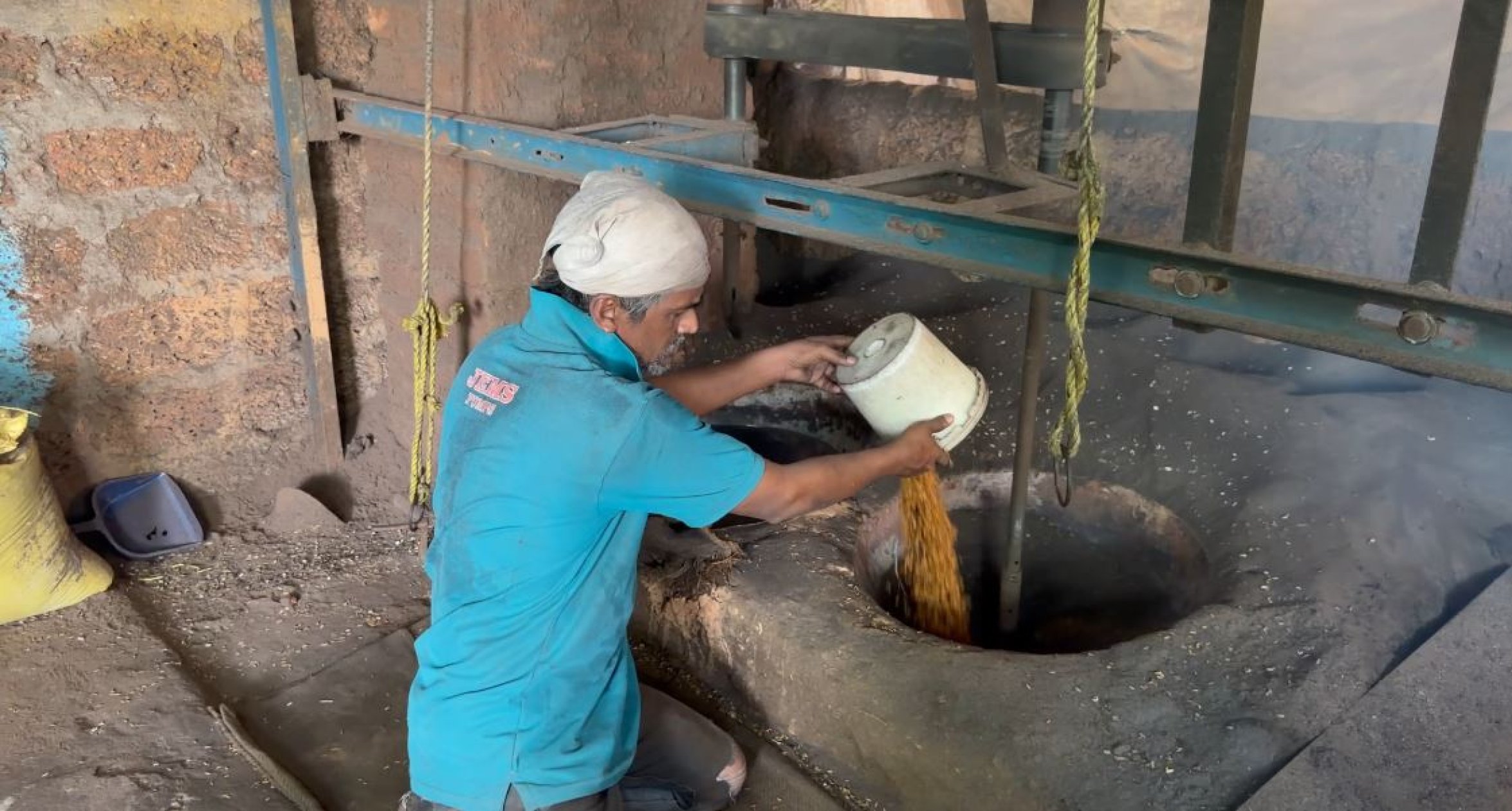
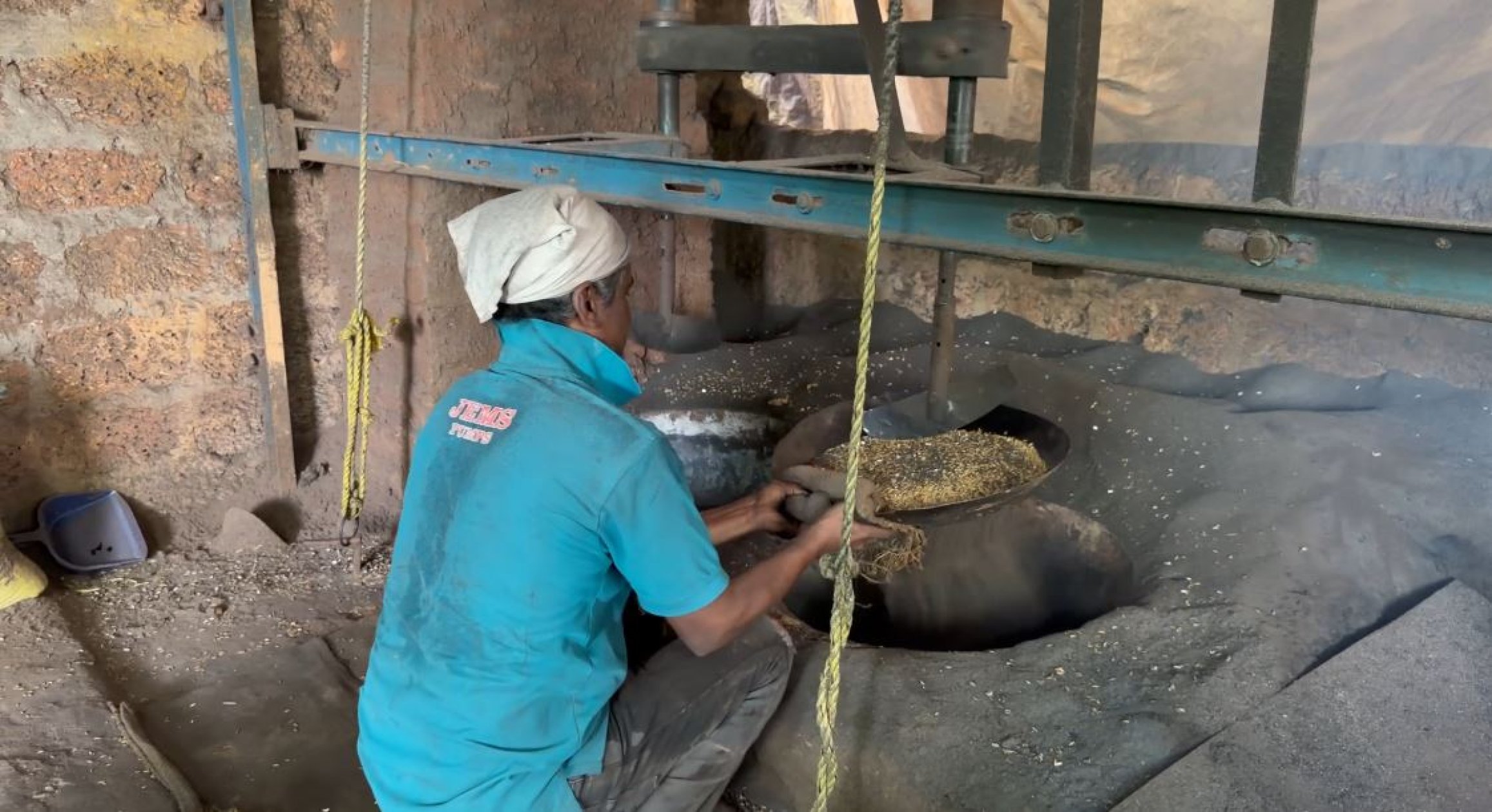
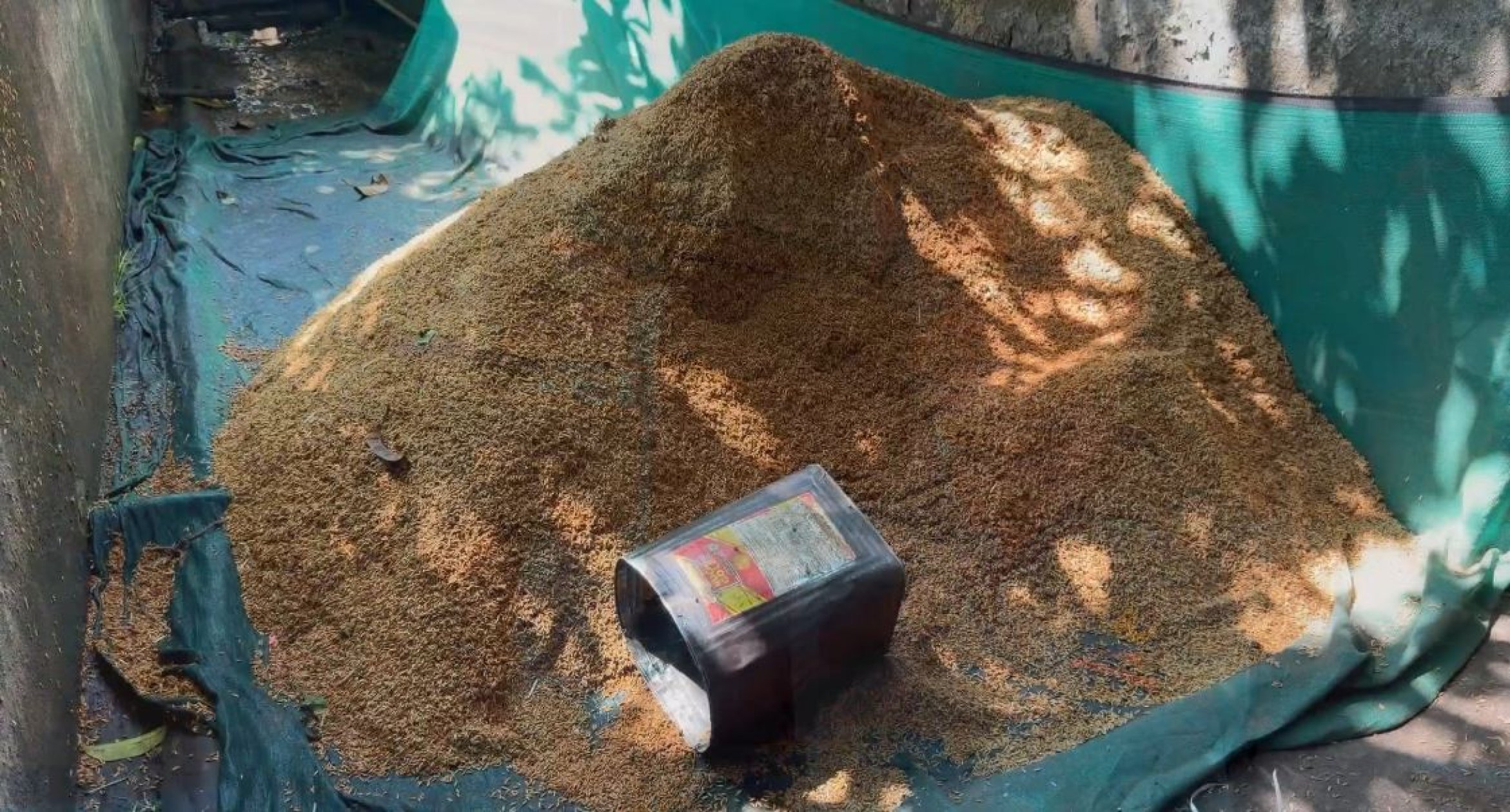
The process begins with the rice being soaked in large tanks, locally called taakis, for around eight hours. Once soaked, it is taken out, cleaned and spread in heaps under the shade. The leftover material from the rice, known as kundo, is then used to light the fire for the next stage. “We use the leftover material to set the fire ablaze. Then we put the kaail over the fire and put the rice in it. But it is not only rice; we also add sand brought from Belgaum. It requires a higher temperature, and once the ideal temperature is reached, we put in the rice,” explains Naik.
Changing methods
Getting workers for the process has also been a challenge over the years. Earlier, much of the work had to be done manually, making it physically demanding. However, with a system now in place, the work has become easier and less strenuous. “Earlier, we had to do many things manually, which was hard work. Now, when we tell the workers that we have a system in place, they are willing to join,” he says.
Flattening rice
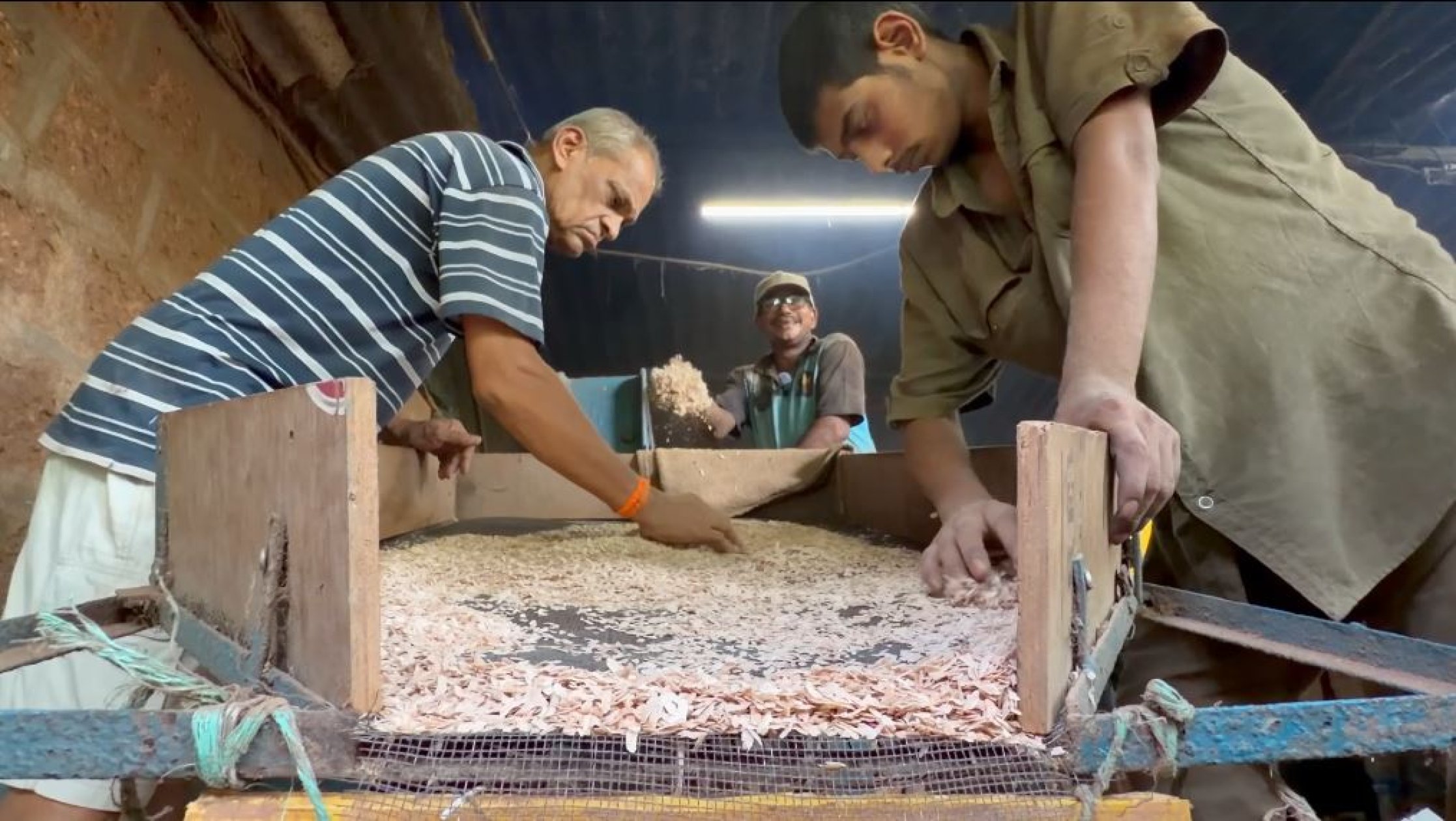
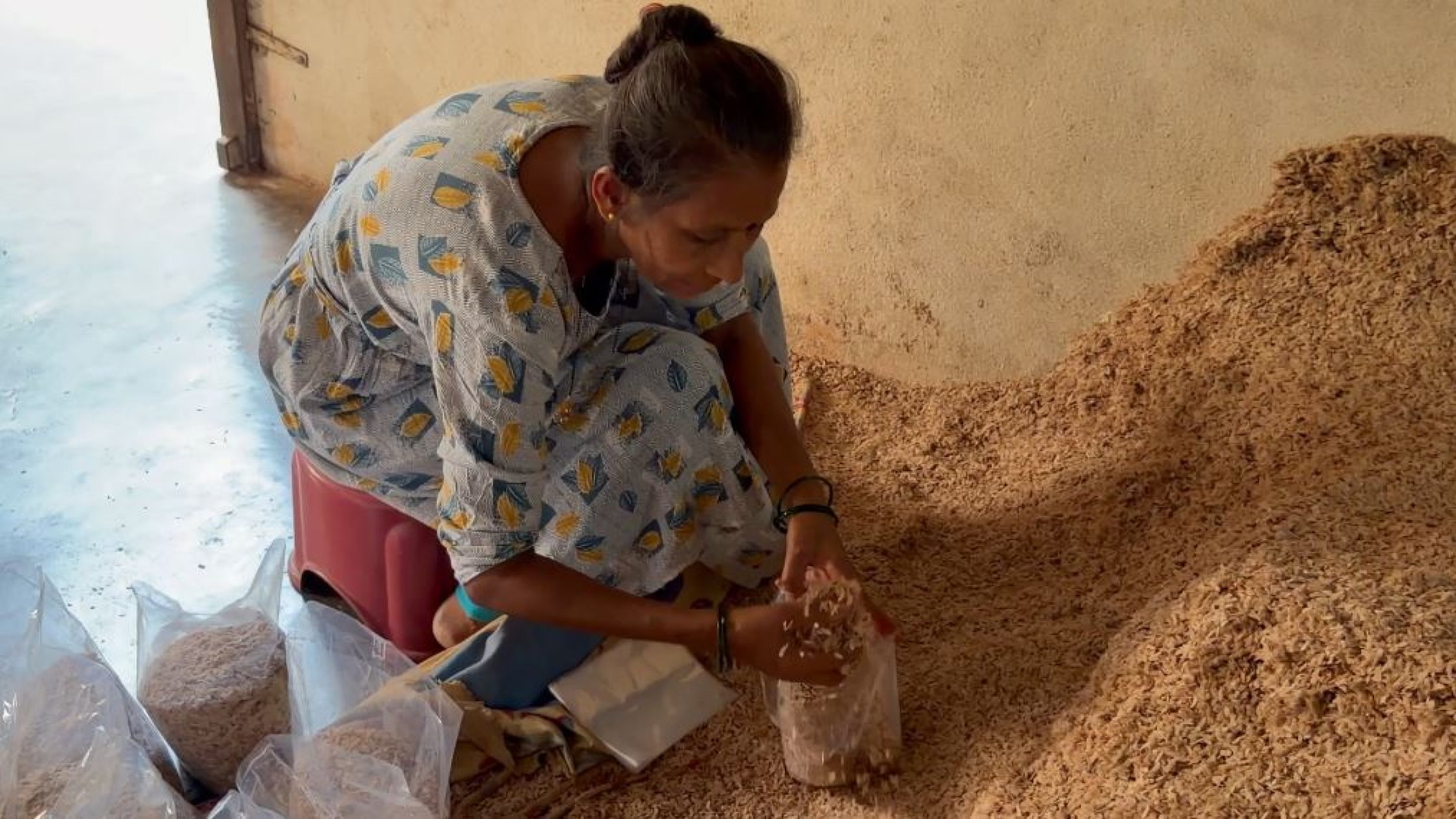
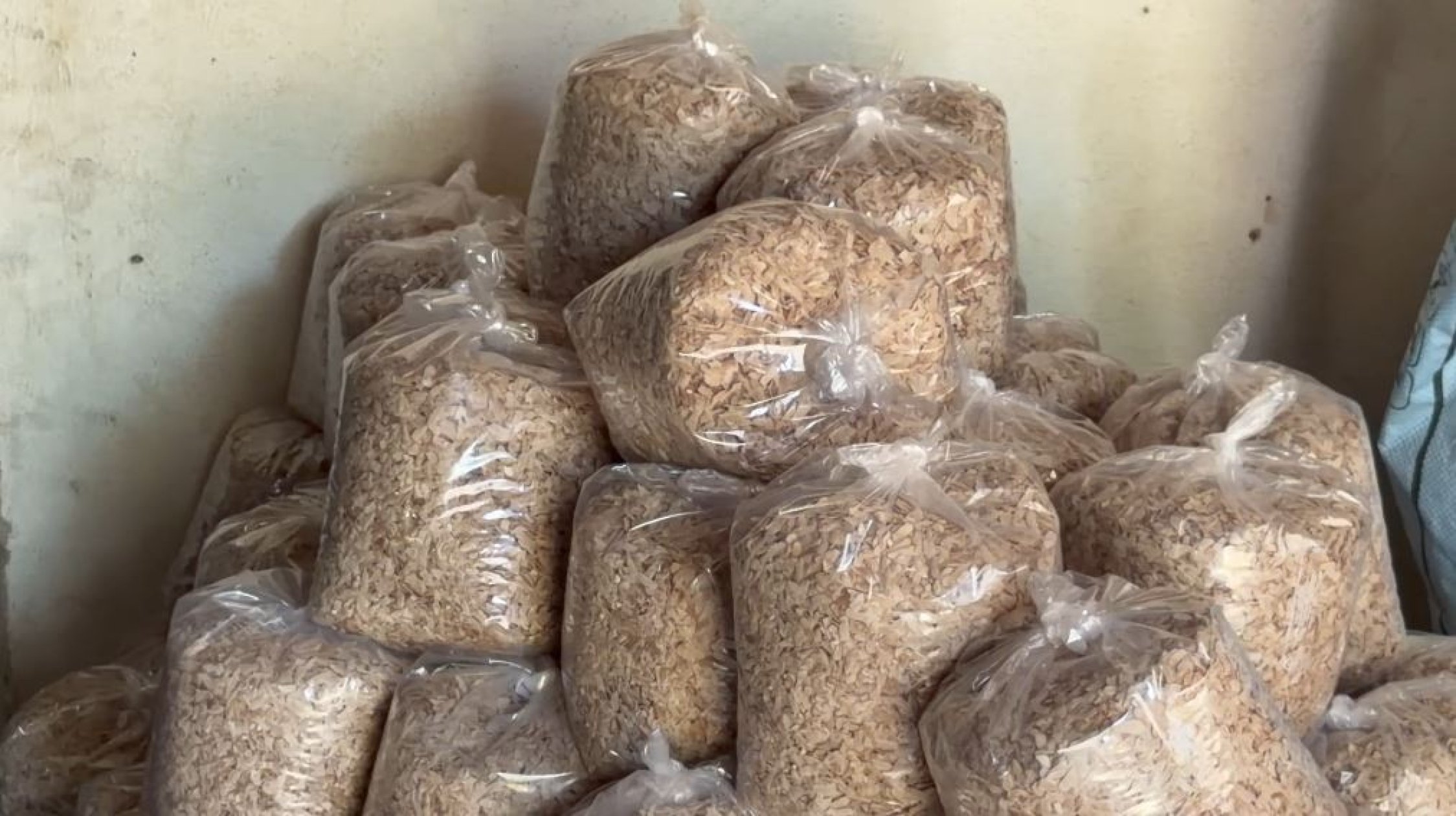
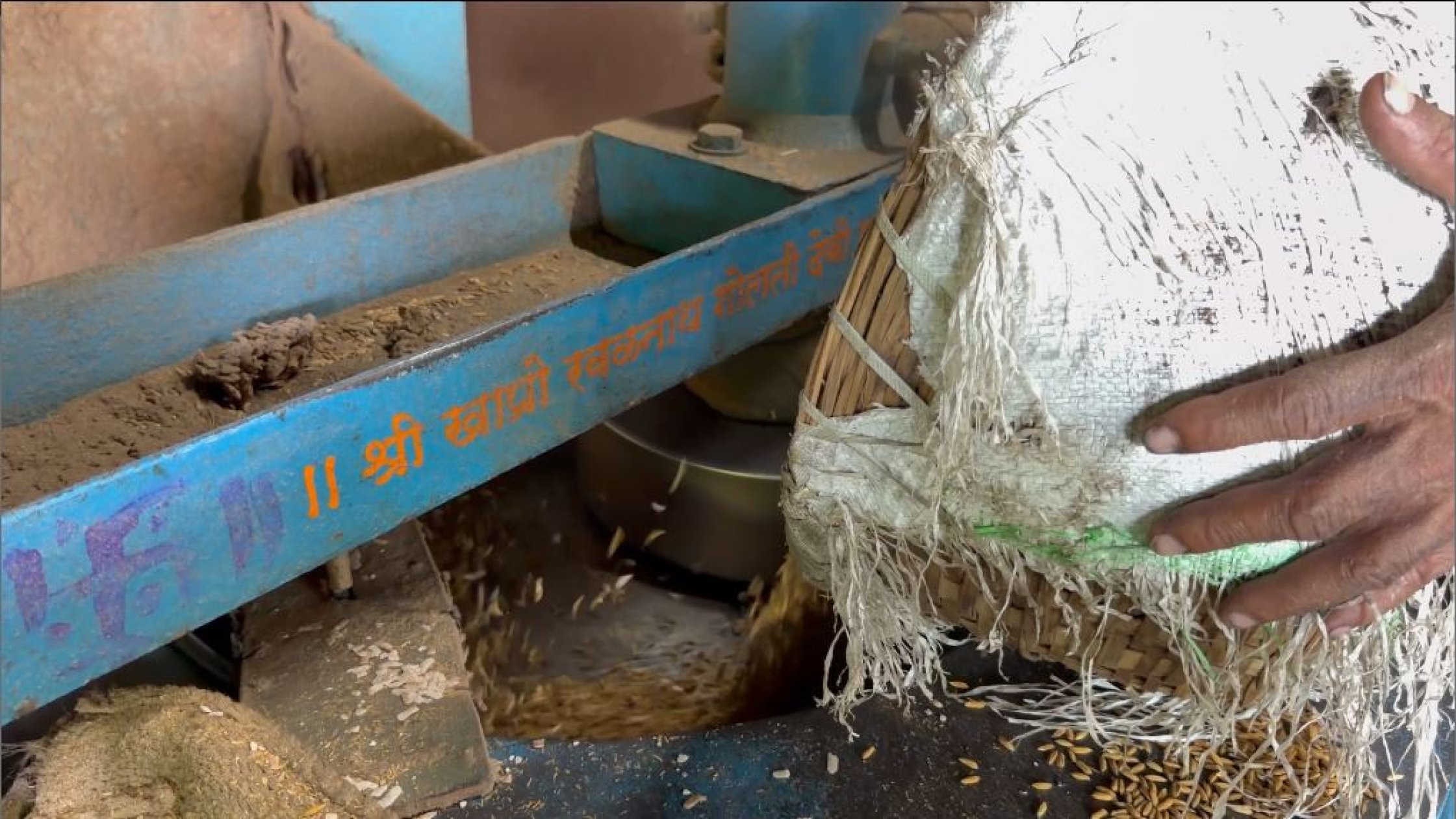
Once roasted, the rice is taken to the mill, where it is flattened to achieve the required thickness. “We can press it into any size we want, whether very thin, thin or even medium,” says Naik. The flattened rice is then passed through a chalani or sieve to remove tiny particles and improve its appearance. After this, it is left to cool before being packed into bags for sale. The mill also caters to people who bring their own rice to have it processed into fov. “Even people from outside come to us with their rice. We make fov from it and give it to them,” he says.
Changing preferences
Despite being such an important part of Goan Diwali, Naik feels that the significance of fov and the different varieties available are not always understood. “Earlier, everyone knew the importance of fov. Youngsters tend to overlook it. Some do not even know the difference between ghavti fov and Canconcho fov,” he reflects.
Preserving tradition
The varieties served on Diwali may differ from household to household, but fov remains a constant on the festive table. Behind every plate is a process that requires time, effort and knowledge passed down through generations. As long as families continue to make room for fov in their Diwali celebrations, there will also be a reason to keep the traditional art of making ghavti fov alive.