


Dr RG Wiseman Pinto
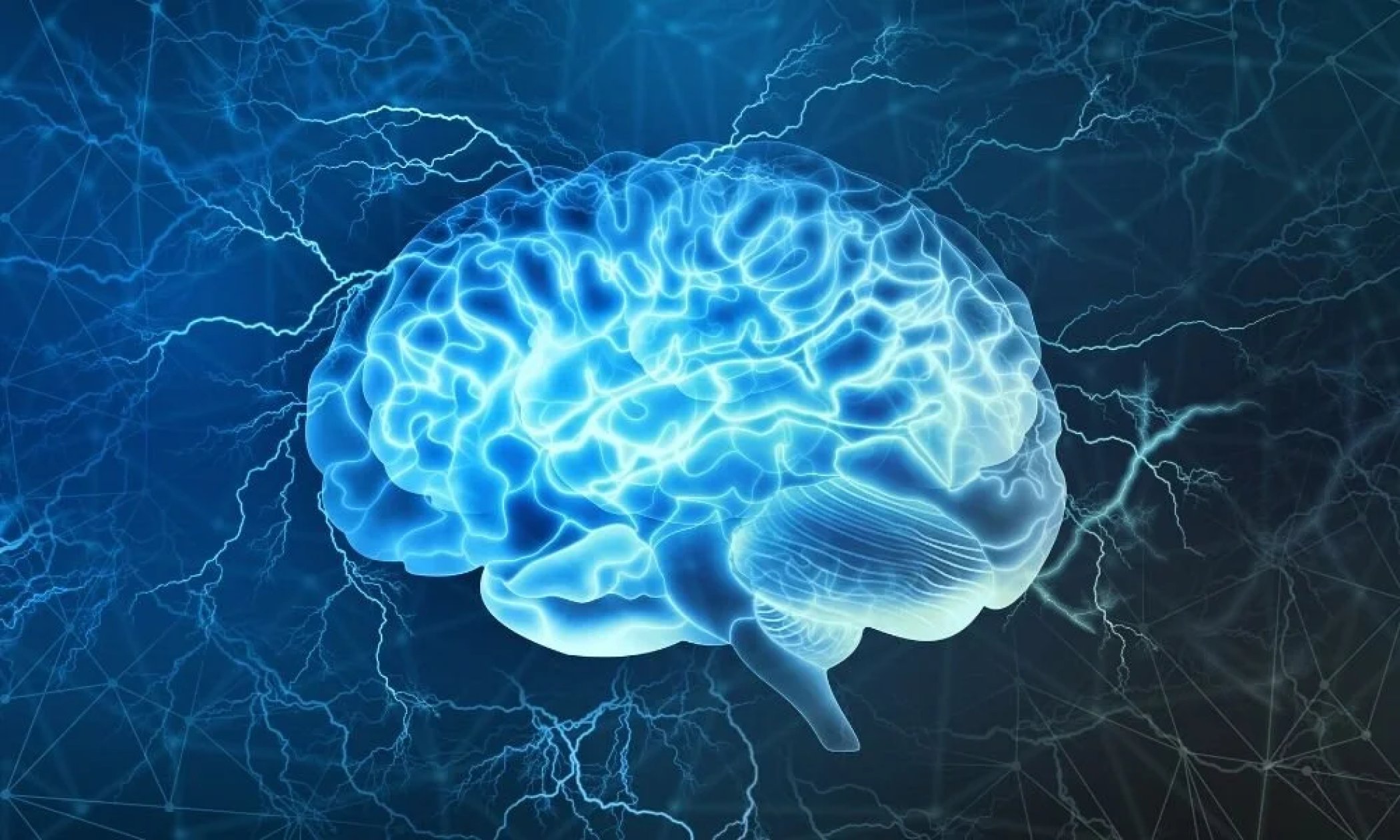
Memory is derived from the Latin word memoria. Memory can be good and sharp, middle level or poor. It is an important function of the brain and involves the frontal lobe, parietal lobe and hippocampus.
The process of memory involves storing data which can later be retrieved. The stored information can be related to events, personal experiences, faces, places, pictures and a whole gamut of points. Loss of memory is referred to as amnesia or forgetfulness. Memory could be short term or long term, and both forms are important in the functioning of an individual.
Memory has many attributes and factors. Genetic factors are important, with many genes being involved. Epigenetic mechanisms such as methylation, demethylation and acetylation are molecular reactions that also have a role in memory. Nitric oxide and neurotransmitters in the brain have a significant role.
Genetic and familial memories are transmitted by inheritance and genes. Memory can also be related to age, ethnicity, nationality and race. Thus, memory has several variables and influences, making it a complex function.
There are different types of memory. Recall, rote learning or learning by heart is one type. Those who possess this ability usually do well in studies in the young classes. Later on, however, they may fall back. There is topographical memory for places, flashbacks, autobiographical memory, visual memory, which is referred to as photographic memory, and memory for an activity. These different forms demonstrate that memory can be associated with several aspects of life and experience.
Cognitive neurosciences deal with this subject. Neurodiversity and neuroplasticity are new terms and represent new advances in understanding the brain and memory.
Just having memory is not sufficient. Memory must be used and applied in various situations, tasks and skills. The ability to remember is valuable, but its application in different situations is equally important. Memory also changes with age.
In old age, dementia and Alzheimer’s Disease involve a loss of memory. So also does Parkinsonism. Persons who are chronic alcoholics over years and decades can develop loss of memory in a condition referred to as Korsakoffs psychosis. These conditions demonstrate the importance of preserving memory throughout life.
Patients with viral diseases like COVID 19, MERS, Ebola virus and influenza can develop loss of memory. Thus, memory can be affected in different circumstances and at different stages of life.
It is a pertinent fact that a person can improve his or her memory to an appreciable extent by following healthy lifestyles, having a healthy nutritive diet, engaging in physical activity, reducing stress, getting adequate sleep, maintaining positive thoughts, avoiding depression and avoiding emotional instability. These measures are important for preserving memory and maintaining health and wellbeing.
It is recommended to stay intellectually active and physically active, learn new skills, learn new games and new languages, and solve puzzles and crosswords. Remaining active in these ways can help a person continue to use memory in different tasks and activities.
When there is stress, steroids and cathecholamines are released, which are detrimental. Therefore, the molecular mechanisms of memory are understood much better with the advancement of science and medicine.
As a person ages, there is increased DNA damage and oxidative damage. Besides all these variables, certain proteins, amino acids, calcium, magnesium and other micronutrients are also involved.
Some professionals have a photographic memory. They can remember their patients, clients, diseases, legal cases, books, articles, page numbers, treatment, diagnosis and events. Such memory can be an important talent in professional life.
Having a sharp long term memory is a talent and gift that is God given. There are exceptional people who remember events experienced when they were children. Such examples demonstrate the remarkable nature of human memory.
In today’s context, NO (nitric oxide), plays a crucial role in many body functions, health and wellbeing. NO is also important in memory. Thus, the role of nitric oxide is significant in the context of memory.
In today’s world and environment, with automation, computerization, globalisation, AI and e-learning, memory must be preserved. The new generation is having an Anti-Flynn effect. In an environment increasingly influenced by these developments, preserving memory remains important.
The preservation of memory requires attention to healthy lifestyles, intellectual activity, physical activity, adequate sleep and reduced stress. These measures can support memory while allowing it to be used effectively in various situations.
Hope the new and young generation resorts to measures that will preserve their memory. Memory remains an important human function, and its preservation is essential in today’s world.
(The writer is a Professor of Pathology, former Head of Department at Goa Medical College, former Dean of Goa University, and the current President of the Asian Society of Cytopathology)


