DR UBALDINA NORONHA
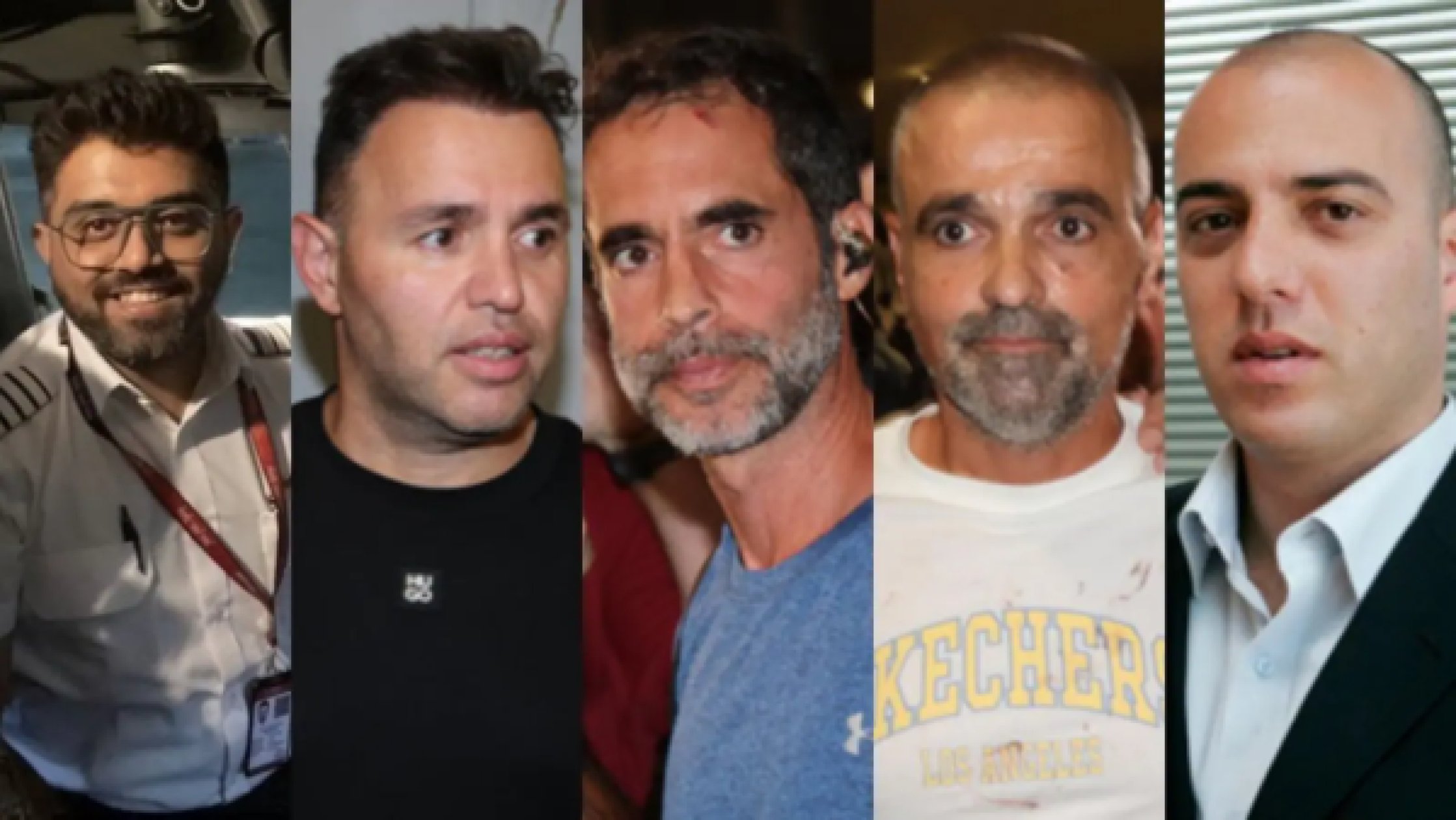
The recent Flydubai incident, where a co-pilot allegedly stabbed the captain and attempted to crash the aircraft before being subdued by passengers and off-duty crew, offers a compelling case study in human behaviour under extreme threat.
While media coverage has focused on security lapses and pilot screening, the psychological dimensions of passenger response deserve equal attention. In particular, the incident illuminates two intertwined concepts: Prosocial behaviour and bystander intervention.
Bystander intervention is formally defined as the willingness to take action and help someone in time of need when witnessing a potentially harmful situation. Importantly, bystander intervention is distinct from the ‘bystander effect', which refers to the phenomenon where individuals are less likely to help when others are present, largely due to diffusion of responsibility and maybe not really knowing what to do.
Classic research by Latané and Darley in 1968-70 identified five sequential conditions that must be met for helping to occur in an emergency: Noticing that something is wrong, interpreting the event as an emergency, taking personal responsibility, deciding how to help, and actually providing help. Failure at any stage results in inaction.
In the Flydubai case, passengers and crew moved rapidly through all five stages. They noticed the aircraft’s sudden plunge and sounds of struggle, interpreted it as a life-threatening hijacking or attack, assumed responsibility (‘if I don’t act, we all die), decided on a course like storming the cockpit and executed it with coordination.
This is not the typical bystander scenario. Usually, bystander intervention research examines situations like street assaults, harassment, or medical emergencies where the helper is somewhat not in direct danger. Here, the ‘bystanders’ were literally trapped at 30,000 feet with no escape route. Their intervention was not optional in the same way. Inaction meant almost certain death. Thus, the passengers operated under conditions that inverted the usual inhibitions. One might call this “reversed bystander intervention”: instead of freezing or diffusing responsibility, the presence of others amplified collective action.
Prosocial behaviour refers to voluntary actions intended to benefit others, whether individuals or groups. In emergencies, this includes calling for help, offering first aid, or directly intervening to protect victims. The Flydubai passengers displayed what psychologists term ‘emergency helping’ a high-cost, high-risk form of prosocial behaviour that can even involve risking one’s own life.
Several factors likely converged to produce this response. First, the situation was unambiguous. The plummeting aircraft and cockpit screams left no room for doubt.
Second, the threat was shared. Passengers would be co-victims. Helping others was helping oneself. Research shows that when personal survival is tied to collective action, prosocial behaviour increases dramatically.
Third, in-group identity played a crucial role. Many passengers were Israeli citizens returning home, and reports indicate that off-duty Israeli pilots and security personnel were on board. Social psychology demonstrates that people are more likely to help those they perceive as part of their 'in-group', whether defined by nationality, ethnicity, or shared fate.
Fourth, the presence of trained individuals provided both leadership and competence. Research findings indicate that the presence of even one confident, skilled bystander can catalyse group intervention.
Finally, the cost of inaction was catastrophically clear. In this case, the cost of not acting, death, far outweighed the risks of action, however dangerous.
The Flydubai incident challenges simplistic narratives about human nature in crises. It shows that under the right or wrong conditions, ordinary people can act with extraordinary courage. It also highlights the importance of in-group identity, clarity of threat and the presence of skilled individuals in catalysing intervention.
In an age often characterised by apathy and diffusion of responsibility, the Flydubai passengers remind us that when the stakes are clear and the group is united, bystanders can become upstanders with remarkable speed. The psychology of this moment is not just about individual bravery; it is about the social architecture of crisis. And that is a lesson worth learning.
(The writer is Associate Professor, Department of Psychology, St Xavier’s College, Mapusa)