Zeta Pereira
As Ganesha arrives in Goan homes this Ganesh Chaturthi, he will be welcomed by many names. Some will call him Ganapati, some Gajanana, some Vighnaharta, some Siddhivinayak, and in countless homes, simply Bappa. The festival itself is known locally as Chovoth, a name that speaks to the distinct cultural character the celebration has taken on in Goa.
We understand the language of different names instinctively because it mirrors our own lives. We all carry more than one name: the formal one printed on our birth certificate, the nickname given to us by childhood friends, the pet name reserved for home, or perhaps a name that only one person has ever called us. Sometimes, hearing a particular name is enough to bring back a person, a place, or an entire memory. The name may change, but the person remains the same.
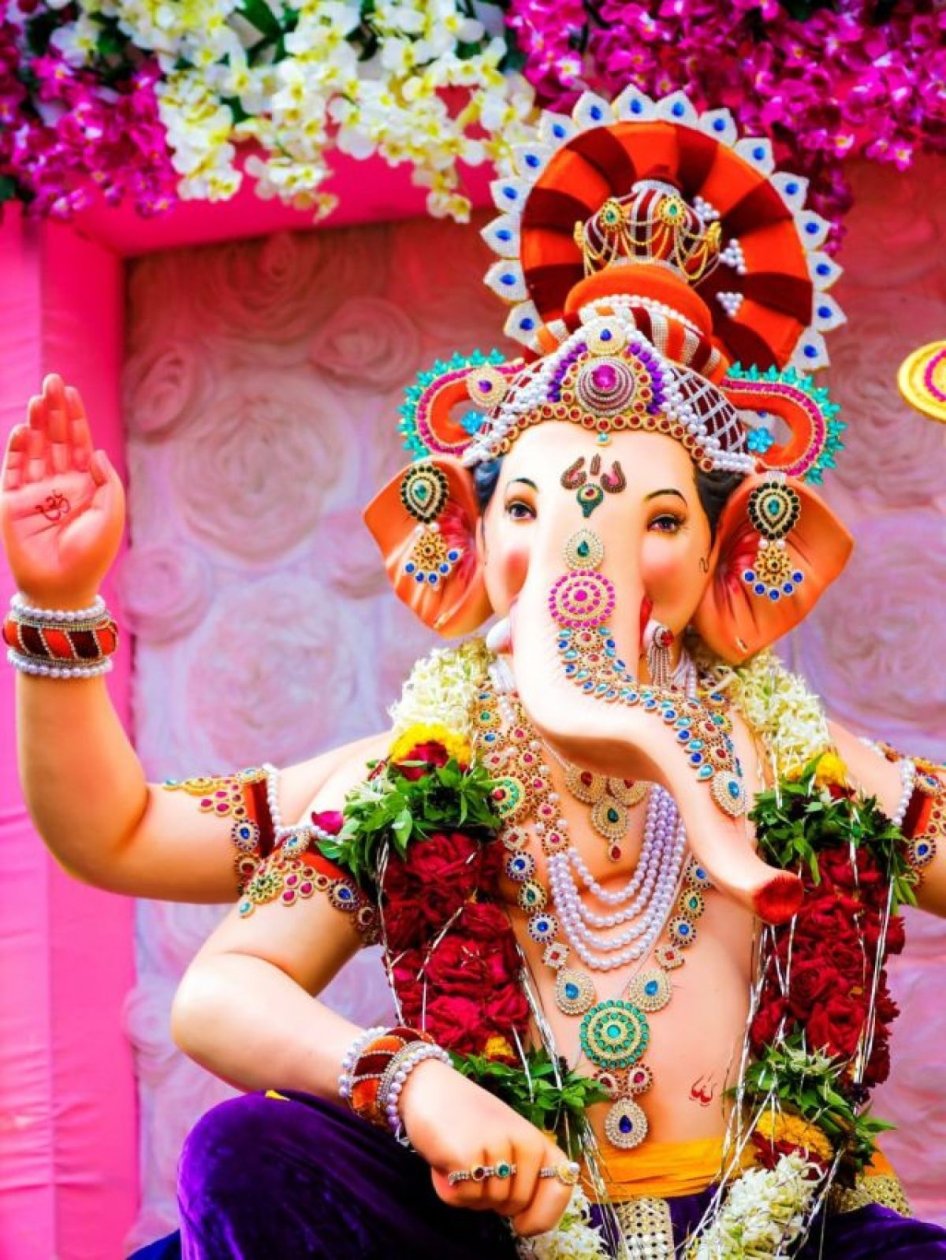
Ganesha’s 108 names work in much the same way. They are less like formal titles and more like windows into different facets of a beloved figure. Gajanana evokes his familiar elephant-headed form; Ekadanta recalls the story of his broken tusk; Lambodara reflects his distinctive, generous form. Each name carries with it a story, a quality, or an association. When life feels uncertain, he becomes Vighnaharta, the remover of obstacles. When we seek wisdom and clarity, he is Buddhipriya. When we place our hopes in a new beginning, he is Siddhivinayak.
Yet, Bappa feels different. It is a name that brings Ganesha closer, taking him off the pedestal and placing him right at the heart of the home. In Goa, where Chovoth is woven so closely into the rhythms of family life, saying “Bappa has arrived” feels less like announcing the arrival of a deity and more like welcoming someone dearly loved back home.
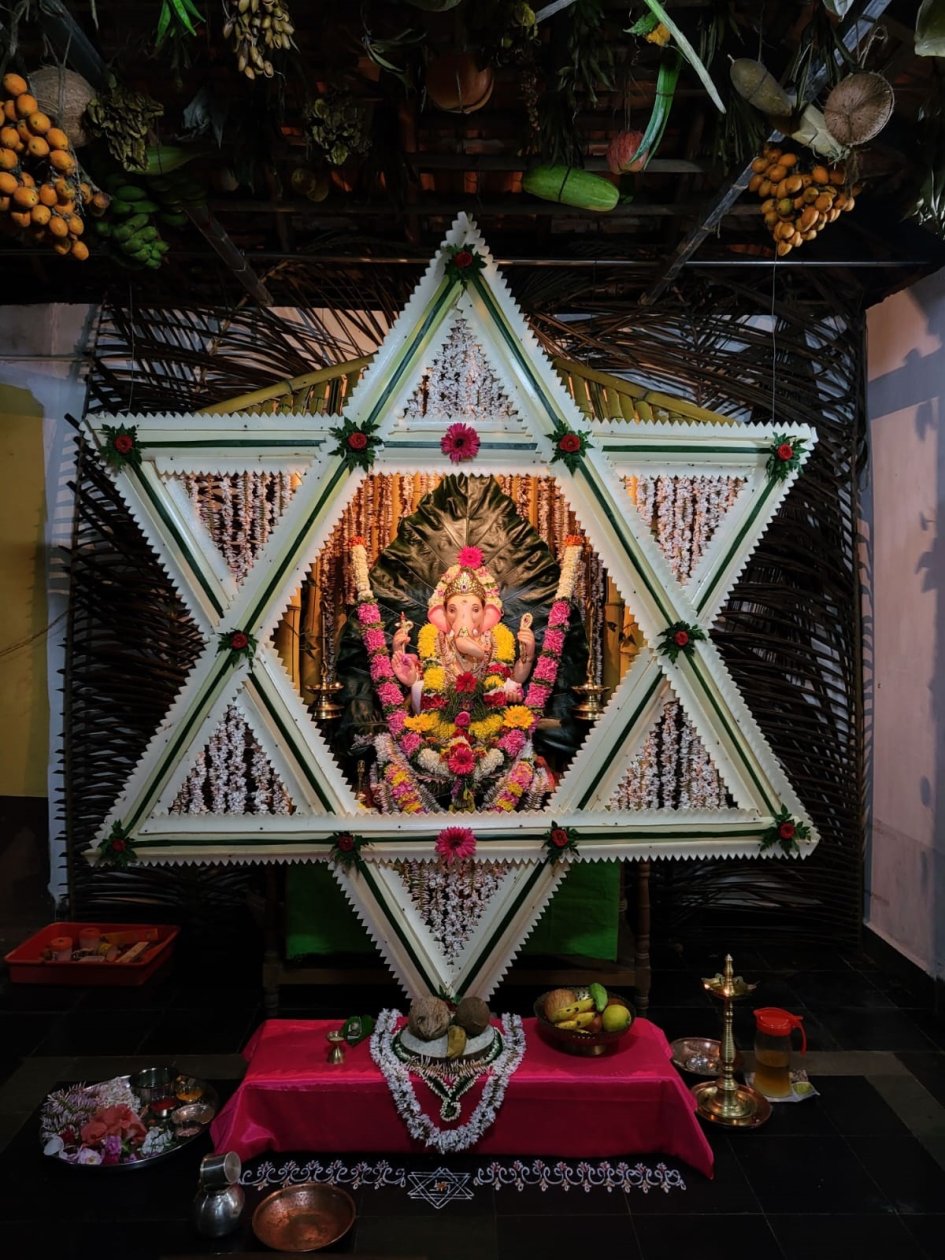
The matoli takes shape overhead, flowers and fresh foliage find their place, and the kitchen fills with familiar festive aromas. There is a feeling of getting the home ready for someone we have missed; preparing their favourite foods, putting everything in place and waiting for them to return. When Bappa finally comes home, old rituals return with him. For a few precious days, the home revolves around his presence. He is not simply worshipped; he is welcomed, celebrated, and made part of the everyday.
Perhaps that is why the many names of Ganesha feel so intimate. The people we love are rarely just one thing to us. A person can be a parent to one, a sibling to another, a confidant to someone else, and a mentor to yet another. Each relationship reveals a different part of who they are. We know the same person through different names, different memories, and different versions of their presence. Ganesha, too, meets us where we are.
To someone facing an obstacle, he is Vighnaharta. To someone beginning something new, he is the auspicious presence that accompanies a fresh start. To a seeker, he is a guide towards wisdom. Perhaps that is the quiet beauty of his many names: they allow a single figure to hold many meanings without losing the sense of who he is.
This Ganesh Chaturthi, as homes across Goa prepare to welcome Ganesha once again, each household may call him something different. One name may carry a prayer, another a childhood memory, another a hope for the year ahead. The words may change from home to home, but the affection behind them remains remarkably familiar.
One Ganesha. Many names. And, like the people we love, many different ways of being known.