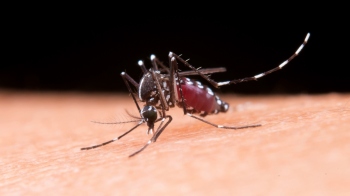
Malaria is a life-threatening disease that is transmitted through the bite of an infected anopheles mosquito. Malaria can impose a substantial economic burden on communities and countries. This vector-borne disease is a major cause of morbidity and mortality worldwide and can result in severe illness, and even death leading to increased healthcare expenditure, reduced workforce productivity in individuals and communities.
In cases of mild malaria, patients may experience symptoms such as nausea, vomiting and headaches and fever. However, in more severe cases, patients may exhibit symptoms such as very high fever uncontrolled by oral medicines and even convulsions.
Construction site workers are at higher risk of contracting infections due to the lack of hygienic practices observed in poorly ventilated areas they live in, which may spread the infection to surrounding communities. It's crucial to educate people on maintaining hygiene and cleanl surroundings to prevent the spread of infections. Additionally, it's crucial to ensure that water pots are cleaned regularly to prevent the development of larvae in high-rise buildings. The stagnant water can serve as a breeding ground for mosquitoes, which can transmit malaria and dengue fever. Therefore, it's important to ensure that water does not accumulate and that any water containers are cleaned on an average twice a week to eliminate the risk of disease transmission.
In the past three-four years, instances of malaria spread have been dipping except for sporadic cases only cropping up post-monsoons. Now, incidences of common malaria variants such as vivax and falciparum that are found in Goa, are showing a downward trend.
Several factors may have contributed to this decline, such as the implementation of effective mosquito control measures and increased public awareness about the disease and its prevention. Progress in this regard has also been made thanks to malaria control and elimination measures taken by the government of Goa. The government has also taken other measures such as preventing the accumulation of sewage water. Control measures such as fogging and strategies to create mass awareness such as periphery field visits by healthcare workers on the occurrence of larval breeding have contributed significantly to reducing malaria.
Malaria can affect various organ systems and lead to a range of symptoms, depending on the type of malaria involved. A severe kind of malaria where malaria affects the brain is called cerebral malaria which leads to fits and convulsions leading to coma, cardiac arrests and even in some cases, death. In kidney failure patients, they may develop complications such as myocarditis, hypotension and other heart problems.
Early diagnosis is necessary for effective treatment, as delayed diagnosis can increase the risk of complications due to massive rupture of red blood cells and rapidly lowering haemoglobin levels. Nowadays, proper diagnostic techniques such as identifying the species and using ‘The Indirect Coombs Test’ (ICT), serum tests are available, making it easier to diagnose malaria. The treatment regimen should be tailored on the type of malaria present. For uncomplicated cases, oral medication may be sufficient, while severe cases require hospitalisation and other supportive measures is necessary.
In conclusion, early diagnosis using appropriate diagnostic methods is essential for effective treatment and management of malaria. Staying well hydrated, maintaining a healthy diet including fresh fruits, vegetables and getting good sleep will enhance immunity against malaria. Taking adequate rest of six-seven hours and maintaining healthy weight are equally important to build immunity against the disease. Furthermore, it's important to incorporate avoidance of excessive alcohol and smoking. A healthy mind and body go a long way toward having a healthy immune system, not only for malaria but for other diseases as well.