THE GOAN
PANAJI
As Ganesh Chaturthi enters its eighth day across Goa, the initial flurry of activity has settled into joyful reverence. A week ago, homes were busy frying modaks, preparing nevryos for naivedya, completing dekhavos and tying the matoli. While the bustle of the first day has passed, the magnificent matolis hanging above the idols remain a focal point of the celebrations.
Creative canopies
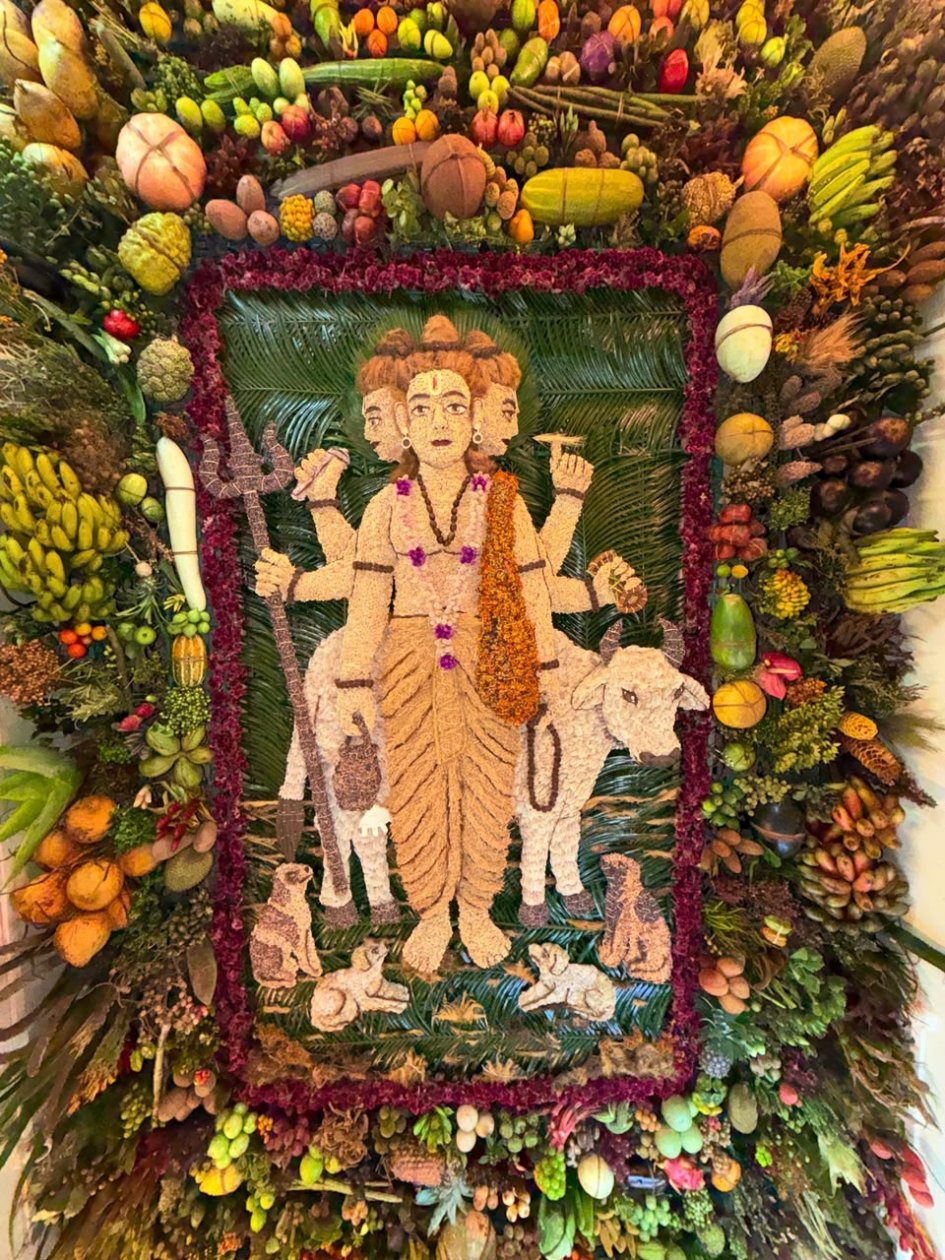
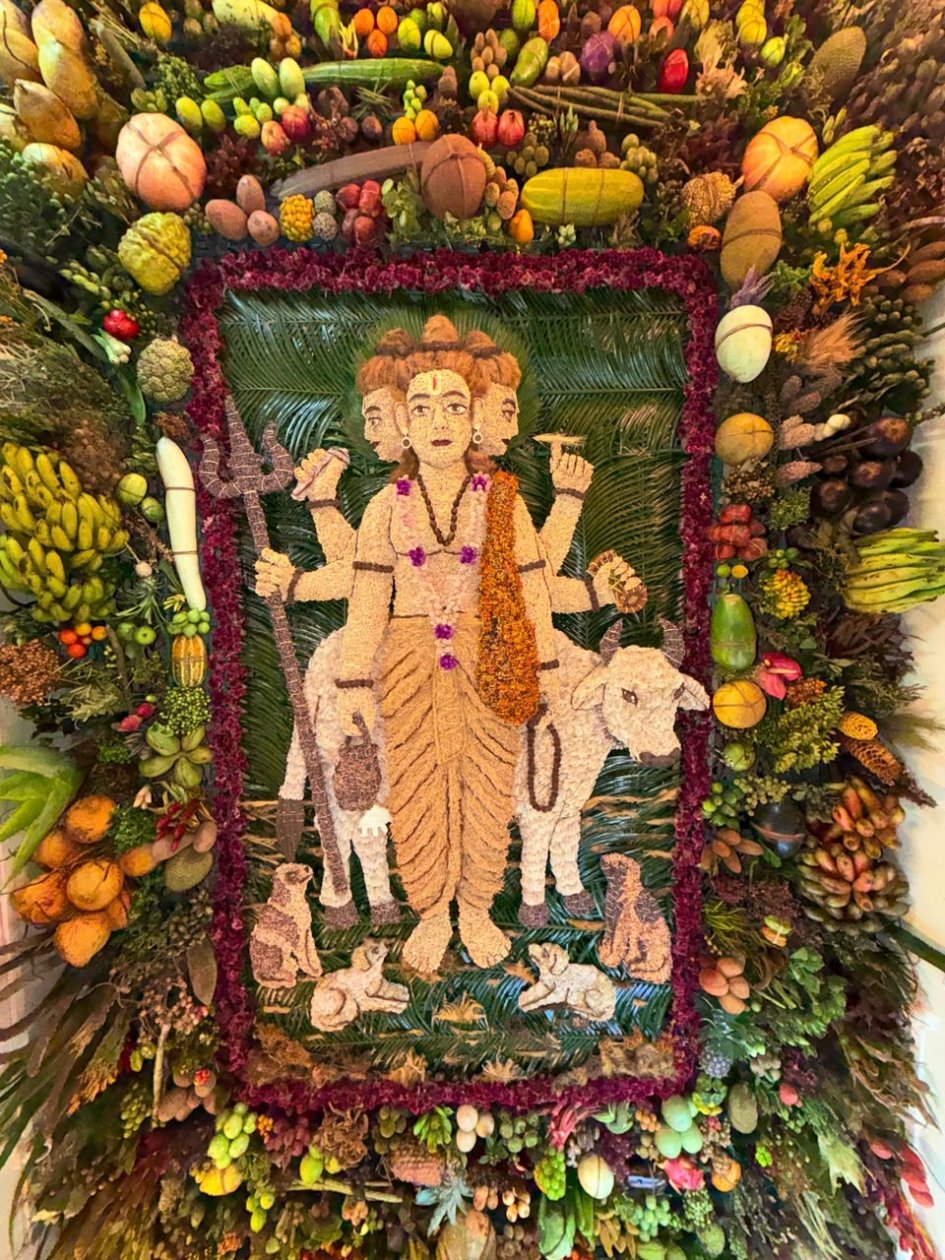
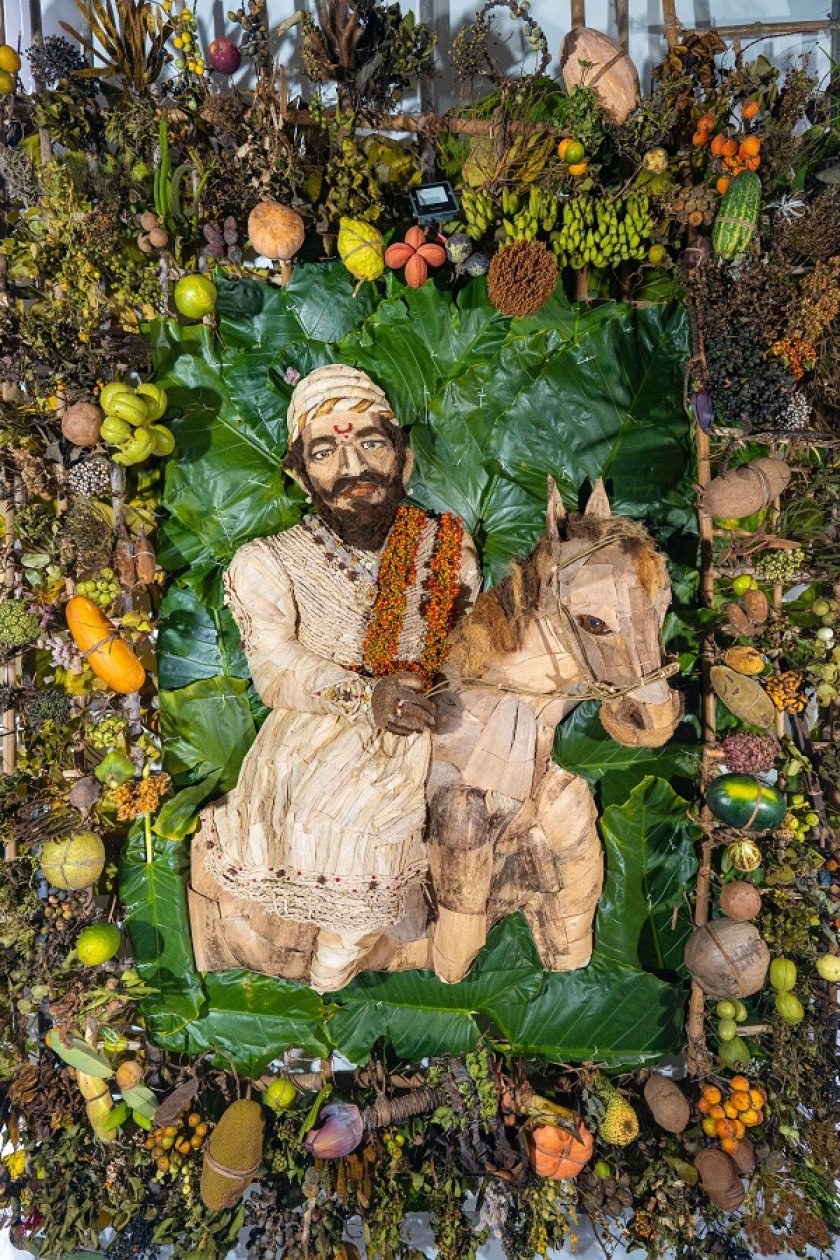
The traditional matoli finds a place in homes across Goa, but some families take the practice a step further, adding their own creative touch. Over the years, these elaborate canopies have taken on different forms, with families creating figures of Lord Shiva, Goddess Saraswati, Lord Nataraja and, this year, Chhatrapati Shivaji Maharaj.
Searching nature
For Tanaji Gaude from Taluli, the preparations begin long before Chaturthi. Once the previous year's visarjan is over, he and his friend Datta Naik take to roads less travelled in search of different varieties of fruits, flowers and plants. “While people usually go for a picnic beside the sea, we go for treks, forest walks, and so on, to search for different varieties of plants, flowers, and fruits. And as Shravan begins, we go there again to make sure the plant, fruit, or flower really exists,” he says.
The search can take days, with no guarantee that the required flora will be available. “Although we take a few days to search for the required flora, the last 5-6 days of collecting before the festival were extremely crucial for us,” explains Naik from Priol. Having made artistic matolis for nearly 10 years, he says the team often struggles to find specific plants or discovers that they have not produced flowers or fruits that year.
Bringing ideas together
Once the collection is ready, another challenge begins: deciding how to bring everything together. “In the end, I believe it is teamwork. Our team sits together and discusses the ideas put forth. The one that is liked the most is then finalised,” Naik says.
Keeping it fresh
The work does not end once the matoli is tied. With the canopy remaining in place for several days, the team also has to ensure that the fruits and flowers last through the festival. Naik says they avoid sprays and pesticides and keep the produce away from direct heat while tying the matoli. “We make sure there is proper ventilation. But then, after eight days, the fruits which have to fall will anyway fall,” he says with a laugh.
This year, the weather added another challenge. Heat and humidity affected several varieties, with some plants wilting and fruits getting damaged. “There are some plants which, even if they receive a little heat, droop. This year, a lot of our fruits and other items got burnt by the heat and Goa’s humidity, which became more apparent as the days went by,” says Gaude.
Guided by tradition
The timing of the preparations is also governed by tradition. The matoli can be started only after the coconut is tied on Tay. “Once the coconut is tied on Tay, only then could we start. But since you can't tie anything more once the main matoli is fully tied, we did the competition matoli separately by keeping a place in the middle for the coconut,” Gaude explains.
For Vishant Gaude from Curti and his team, the actual tying began nearly a week before Chaturthi. Everything had to be attached by hand with thread to a wooden frame, a process that took three to four days. Vishant maintains a list of around 450 species that can be used for a matoli. But even an extensive list cannot account for the vagaries of nature. “Some species that need regular rain did not grow properly, some were delayed, some had just started flowering during Ganesh Chaturthi, while some got destroyed because of the heat. Many that we proudly displayed on day one lost their colour within 2-3 days,” he says.
Design from nature
The availability of fruits, flowers and leaves also determines the final design. Ranganath Govind Gaonkar from Vaiginim says there is rarely a fixed blueprint. This year we had shortlisted 3 figures, and then we made the final figure according to what fruits, flowers, and leaves we got,” he says. The Chhatrapati Shivaji Maharaj matoli created by his team took almost four full days to build and featured 290 different types of fruits, flowers, and leaves. “The idea was to keep it traditional but also full and balanced,” Gaonkar says.
From Shiva and Saraswati to Chhatrapati Shivaji Maharaj, creative matolis may take different forms each year, but the effort behind them remains constant. As Chaturthi begins to wind down, the families behind these creations are left with more than just a striking display.
Even as leaves dry and fruits begin to fall, the matoli remains a fleeting reflection of nature, creativity, teamwork, and devotion, preserving an age-old tradition while giving it a new form each year.