PANAJI
Even as the government moves to remove old settlements and settlement pockets from the No Development Zone (NDZ) and No Development Area (NDA) classifications, it is proposing a joint mechanism to ensure that the move does not open the door to development in ecologically sensitive areas.
TCP Minister Vishwajit Rane said a joint committee comprising officials from the Town and Country Planning (TCP) Department and the Forest Department will be constituted to inspect and verify the ground reality before land-related or development proposals are considered.
“Before any cases are considered, there will be a joint committee of TCP and Forest Department to inspect and verify the ground reality so that private forests and ecologically vulnerable areas are protected,” Rane said.
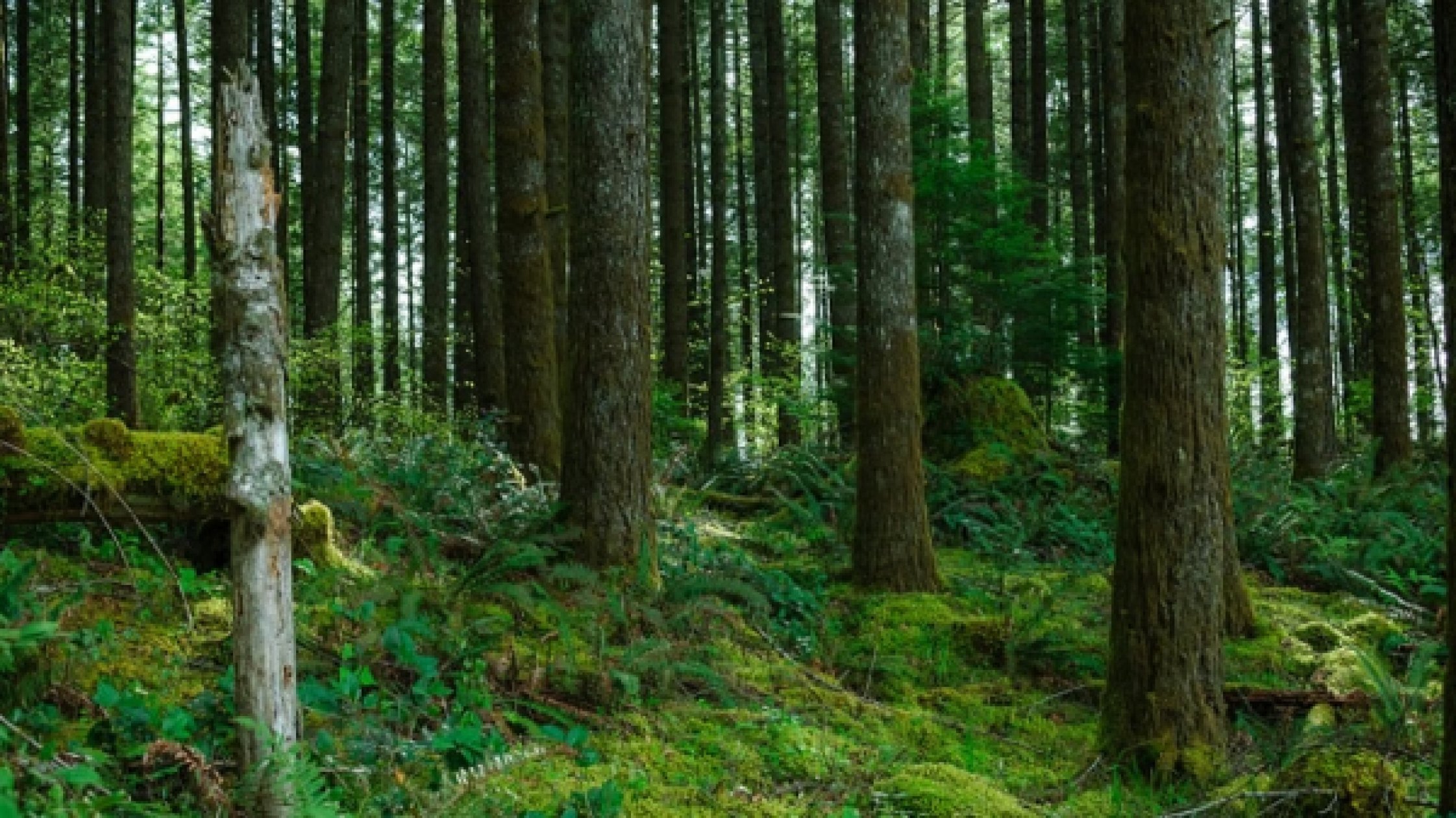
The proposed mechanism assumes significance against the backdrop of the large extent of private forest land identified for protection in the State. Around 46.11 sq km covering 624 survey numbers has been notified as private forest and referred for NDA protection.
Another 41.53 sq km has been identified as private forest, with the notification process currently underway. In addition, 8.65 sq km within notified private forests, covering more than 550 survey numbers and 855 subdivisions, has been delineated as NDA.
The government has also proposed the “Goa Green Shield” initiative to bring an additional 177.84 sq km, or 17.784 crore sq m, of ecologically significant land outside existing government forests under conservation protection.
The initiative envisages an interconnected conservation landscape covering mangroves, river corridors, private forests, wetlands, khazan lands, agricultural areas, hill ecosystems and coastal and marine habitats.
On Sunday, Rane announced that old settlements and settlement pockets earlier classified under NDZs and NDAs would be removed from these classifications, citing concerns of residents who have occupied such areas for generations.
However, he clarified that the decision would not dilute environmental safeguards. Private forests, khazan lands, salt pans, paddy fields, low-lying areas, mangroves and non-development slopes would continue to remain protected, with existing regulations strictly enforced.