BHARATI PAWASKAR
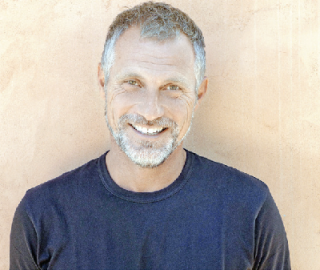
Alka Damle has a new project. A resident of Vasco for the last 25 odd years, Damle has over the years worn many hats - that of a maths teacher, a tree planter, a painter and even a rag picker. From planting trees on the roadsides, mounting dustbins at the nooks and corners, to even painting dirty walls and sweeping the streets, Damle is committed to doing her part to keeping her city clean and green.
In fact, one of the successfully initiated innumerable projects that she started for the betterment of the community was a kindergarten school for the children living in the Navy Quarters.
“Our Bal Pathshala kick started with 40 children. Today, over 200 students learn the basics here. They are prepared for admissions in the local schools,” she shares. Damle also took the lead in starting the Club 50 + for those interested persons above 50 years of age who wish to contribute for the welfare of the society. Apart from this she is a part of the Reader’s Club that meets once a month.
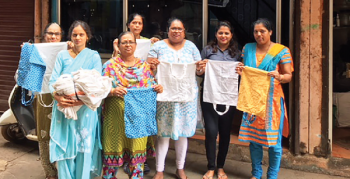
Her latest project involves the collecting old used clothing and getting it stitched into cloth shopping bags to distribute free to vendors in the vegetable market. Alka aims at distributing 5000 cloth bags made out of old sarees and bed sheets, all free to the vendors in Vasco and has fixed a deadline for this - May 15.
“When the monsoon begins, plastic bags create a nuisance in the city. Hence I wish to reach my target of readying 5000 bags as fast as possible,” she says. So far she has managed to collect old clothing from her locality, mostly from people’s homes and from a couple of hotels who have been generous enough to donate their old uniforms and used bed sheets.
“So far 3000 cloth bags are ready, stitched by the women from self-help groups in Vasco. I want to collect more clothing for the remaining 2000,” she says. Damle has also shared the details of her project on social media and while people have appreciated the concept and have expressed willingness to support it, she states that very few have come forward personally to volunteer. As compared to Vasco, response from other cities has been low, she says, but admits that this is also due to the fact that it isn’t always possible for her to go to every city and collect their parcels in person. “What I would like however is for people to copy my concept and take it forward in their own cities and localities. I would like them to do it themselves, spread their appeal, collect, wash, stitch and distribute cloth bags to vendors, free,” expresses Damle, although she understands that the task is not an easy one. “The job is tedious. It needs lot of work - sending messages across various media, collecting old clothes, washing them, getting them stitched into bags and then distributing free,” she says, admitting that not all are equipped to do such voluntary work and may not have the time amidst their busy schedules.
But there have been similar drives done already, says Damle pointing out that Pramod Sawant of GVM School in Ponda had done something like this before. But in that instance cloth was bought and 10,000 bags were stitched by the students which they sold in residential colonies for Rs 10 each. “Instead of buying cloth, I preferred to use old, discarded clothes, as people don’t mind parting with them. Anyways we dispose old clothes. This is a good way of using them again,” feels Damle.
And Damle also believes that these cloth bags should become more popular. “People can afford to buy bags, they have them at home, but it’s the lethargy that keeps a person from carrying a cloth bag from home every time he or she goes for shopping. If vegetable vendors, instead of giving plastic bags free with the purchase, start selling cloth bags for Rs 5 or 7, people would feel motivated to carry their cloth bag with them instead of purchasing from the vendor. It is this change that I wish to bring in the mentality of society - to carry a shopping bag whenever people go to shop,” she explains.
Damle adds that such gestures will pay in the long run. “It will mould the societal mind set. People will start living mindfully, become more helpful and caring towards the environment. A small step taken today, will lead to a larger destination someday. Why not think big and large?” she asks. “It’s time to give back, we have been taking so much from society.”