International Chocolate Day
The snap of a bar breaking, the first bite of a soft chocolate cake, melted chocolate over a warm dessert, or the familiar sweetness of a favourite treat can bring back a memory, mark a celebration, or simply offer a little comfort at the end of a long day. Something about chocolate makes even the simplest moment feel a little better. If there were one way to attain world peace, it would probably be through chocolate and everyone’s common love for this sweet indulgence. From the humble cacao bean to bars of different flavours, and from shakes and cakes to brownies, truffles and elaborate desserts, chocolate has found its way into countless little moments of our lives.
A sweet occasion
International Chocolate Day, observed on September 13, offers another reason to pause and appreciate a treat that has become such a familiar part of everyday life. Yet, behind every bar or dessert is a journey that begins much earlier.
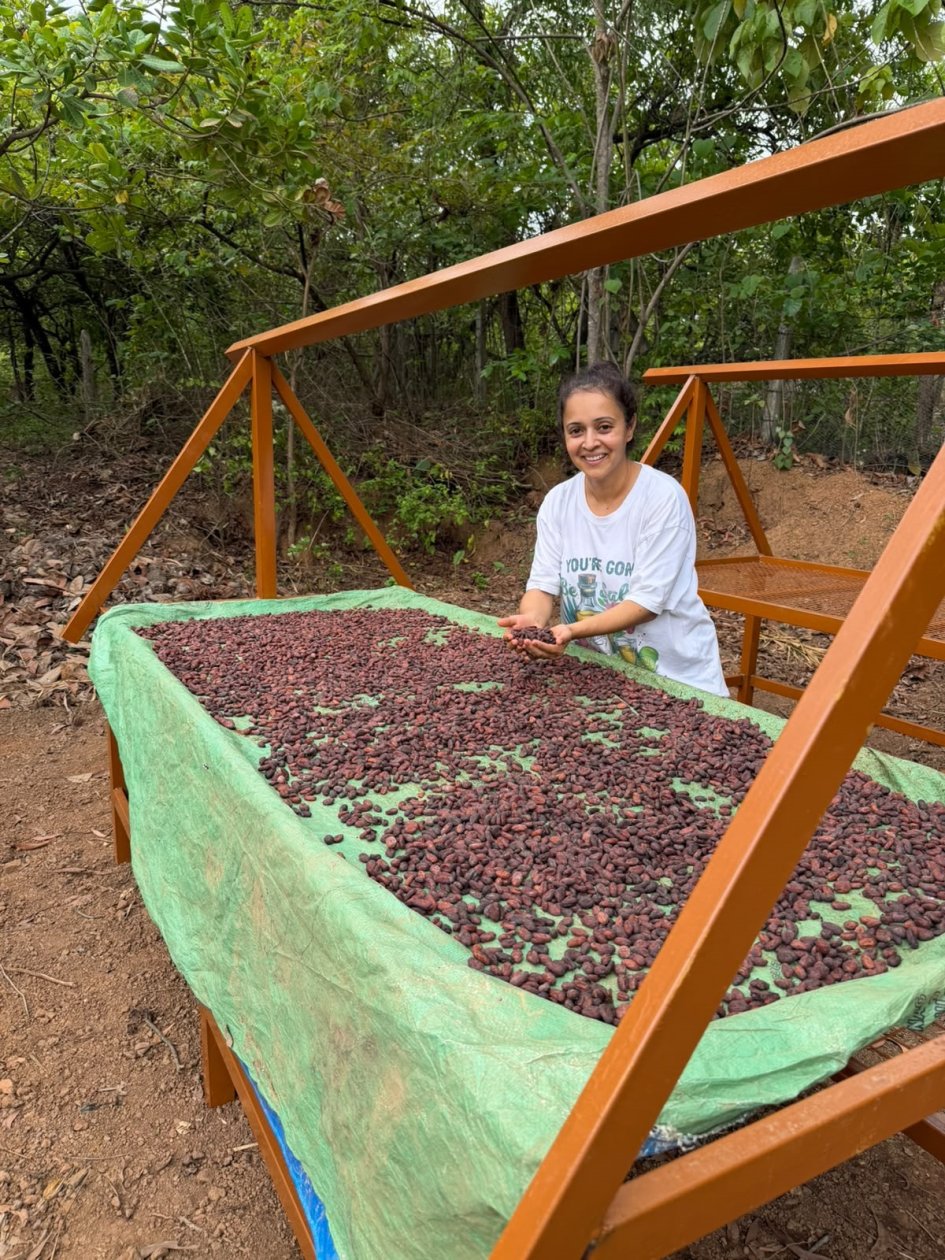
For pastry chef and chocolatier-cum-cacao farmer Alvinia Desouza, it became a question that eventually led her from Europe to a piece of land in Dodamarg. While working in Europe, she came across a chocolate bar labelled ‘Single Origin India Kerala’. The sight made her wonder why cacao could not be grown closer to home. “If cacao can grow in Kerala and produce a chocolate good enough to be made and appreciated all the way over here, why couldn’t we grow it ourselves?” This thought lingered. In 2019, she bought land in Dodamarg with the intention of growing cacao. What followed was a long learning curve involving the trees, climate, fermentation, drying, and everything that happens between a cacao pod and a chocolate bar.
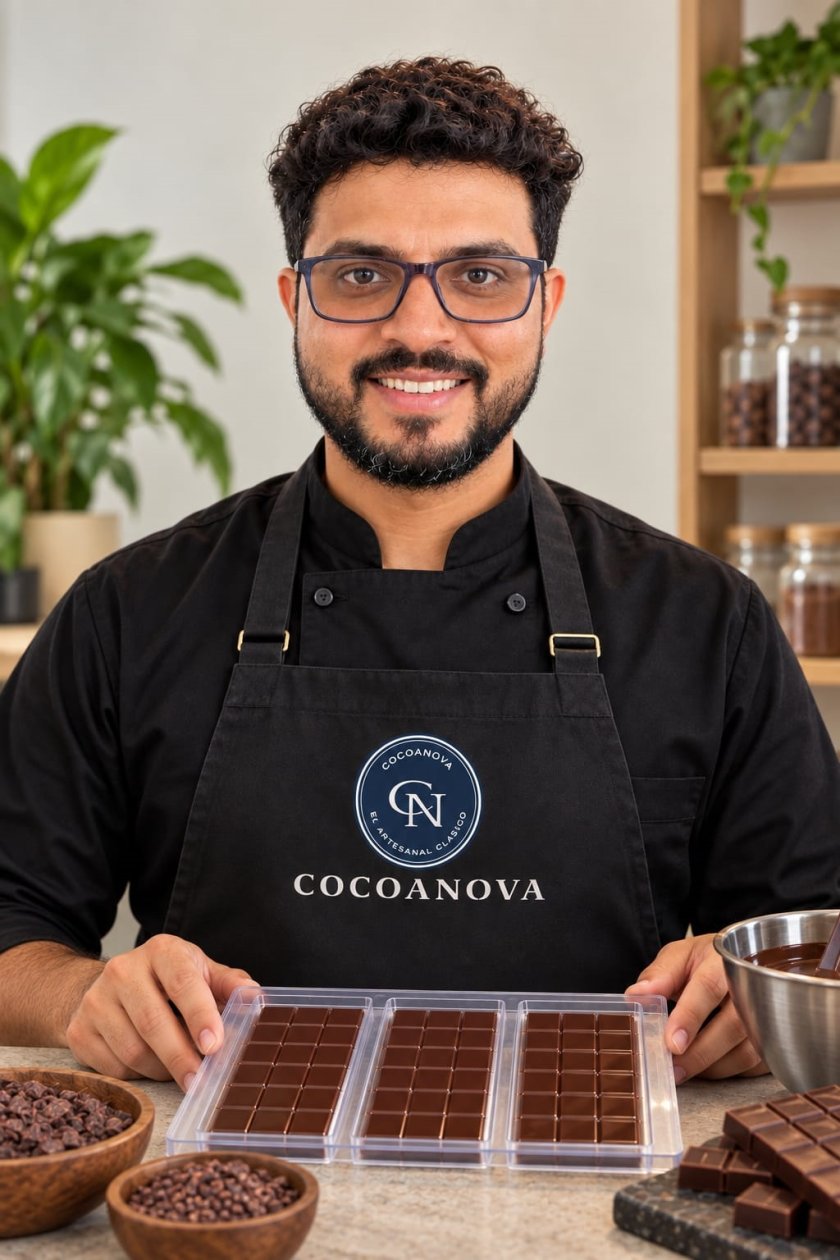
For bean-to-bar chocolate maker and founder of Cocoanova Craft Chocolates, Regie Yohannan, too, the journey began with a chocolate someone had sent him from abroad. It was a single-origin, bean-to-bar chocolate that tasted very different from the chocolate he was familiar with. “That made me curious, and I thought: why does this chocolate taste so different, and what actually goes into making it?” Thus, he began researching, experimenting, and learning about cacao origins, fermentation, and roasting. “After a long period of research and development, we finally soft-launched our own bean-to- bar chocolate in December 2019,” he says.
From bean to bar
For DODĀ, the first significant harvest came in 2025. “In many ways, it began with a question I had while standing in Europe, and the answer eventually grew out of the soil of Dodamarg,” Desouza says. Chocolate has remained a constant through her journey as a chocolatier, pastry chef, and now cacao farmer. For Desouza, it is the transformation of cacao into chocolate. While she has a liking for dark chocolate, she is quite particular about the kind: “A good chocolate should have a personality,” she states.
Yohannan, too, shares a familiar liking for dark chocolate: “Particularly 70 per cent cocoa and above is a favourite.” He enjoys chocolates where the natural character of the cacao can be tasted. “I like it when I can taste the flavours rather than just sweetness,” he adds. However, starting a bean-to-bar chocolate venture in 2019 came with its own difficulties. “Good-quality cocoa beans were not always easy to find, and I travelled to farms across several states, working with farmers on harvesting, fermentation and drying practices,” he recalls. Machinery, he mentions, was yet another challenge, as some equipment had to be modified or customised.
Lessons learnt
The work taught Desouza that farming and chocolate making cannot really be separated. Some batches have failed along the way, but each one has added to the learning. “The biggest lesson,” she says she has learnt, “is that the process cannot be rushed.” There was also the challenge of getting customers to understand craft chocolate. The process required patience, especially when batches did not turn out as expected. “Sometimes you have to wait, try again, make mistakes and start over. You cannot rush good chocolate,” she states.
For both chocolatiers, Chocolate Day is therefore an opportunity to look beyond the finished bar.
Beyond the bar
Desouza would like to mark the day with a tasting session, taking people from cacao bean to chocolate while exploring different origins, percentages and techniques. “I’d love to celebrate it here by bringing people a little closer to the journey…” And, she adds, “There should be plenty of chocolate involved!” Yohannan hopes the day will spark curiosity about craft chocolate and recognise the farmers behind it. “Without them, there is no chocolate,” he remarks.
Both journeys, in their own way, began with curiosity. And perhaps that is what makes a good piece of chocolate worth pausing over. It is not only about what is in the bar, but everything that came before it, from the cacao farm and the hands that harvest the beans to the many careful steps that finally turn them into chocolate.