


Lyanne Fernandes
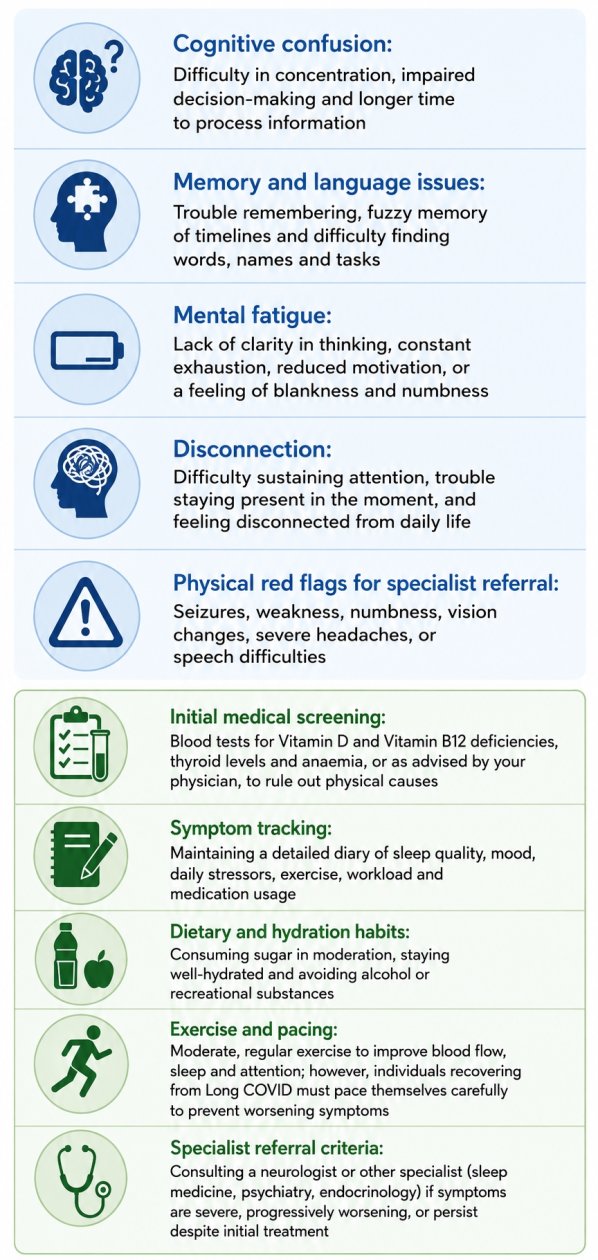
Brain fog is a state of lack of clarity in thinking. It is not a medical diagnosis; it manifests differently in different people, often showing up as confusion, difficulty in concentration and decision-making, trouble remembering, slower processing, or a feeling of mental fatigue. Within medical and psychological practice, it is increasingly seen among young adults in hectic, demanding professions, those who have experienced an emotionally taxing or traumatic event, or those constantly exposed to mental overstimulation. In general, it is also quite common in individuals who are pregnant, receiving chemotherapy, undergoing menopause, or those with longstanding depression.
Underlying causes
Physiologically speaking, there isn’t a single biological cause behind brain fog; it shows up due to a combination of different factors – from an imbalance of hormones or neurotransmitters, reduced blood flow to the brain, to inflammation of neural cells or even low blood glucose levels and dehydration. Psychologically, it could be a sign that a person is facing constant overwhelm or has been on edge for too long. Because the brain has limited capacity, when it realises that there is an overload, it diverts resources away from higher-order thinking or processing heavy information to disengage and focus first on survival.
Lifestyle factors
Furthermore, lifestyle factors like sleep deprivation, chronic stress and nutritional deficiencies, alongside medical conditions like autoimmune diseases, hormone changes and long-term infections, are some common causes. Chronic stress leads to sustained elevated levels of cortisol, which impairs memory, learning and some cognitive skills. The brain also relies on deep sleep to execute its waste clearance processes via the glymphatic system. This system is disrupted in cases of sleep deprivation, leading to a build-up of waste products and impaired cognitive clarity. What is commonly termed ‘mom brain’ during pregnancy and post-partum is largely due to drastic shifts in hormones during these periods, directly affecting cognitive functioning, while declining oestrogen levels in menopause, alongside sleep disruptions like night sweats and hot flashes, can similarly affect brain processing.
Medical triggers
Additionally, medications for allergies and chemotherapy drugs, sleep disturbances and anxiety can often have cognitive side-effects. Brain fog is also now recognised as a common lingering post-viral symptom of Long COVID, where people experience poor concentration, forgetfulness and mental fatigue that can last for months after even a mild infection. Other viral illnesses also have the potential to leave a lingering brain fog.
Diagnosis process
When addressing these symptoms, doctors usually first rule out medical problems through a detailed history, physical examination, and testing. If initial blood tests are normal, screening for neurological explanations or mental health concerns like anxiety or depression may be suggested, though brain scans are generally not required unless indicated by neurological signs. Maintaining a symptom diary to record logs of sleep duration and quality, mood, stressors, exercise, workload, severity of brain fog, and the menstrual cycle can be quite instrumental in ascertaining the exact cause.
Treatment approach
Treatment timelines depend entirely on the underlying cause, and follow-up visits are required for a physician to review symptom progression, physiological changes or necessary medication adjustments. From a psychology perspective, follow-up sessions are valuable for monitoring mood, stress, coping skills, sleep and day-to-day functioning, since psychological wellbeing often influences recovery alongside medical treatment.
(The author is a consultant psychologist from Healthway Hospitals Goa)


