


Dr R G Wiseman Pinto
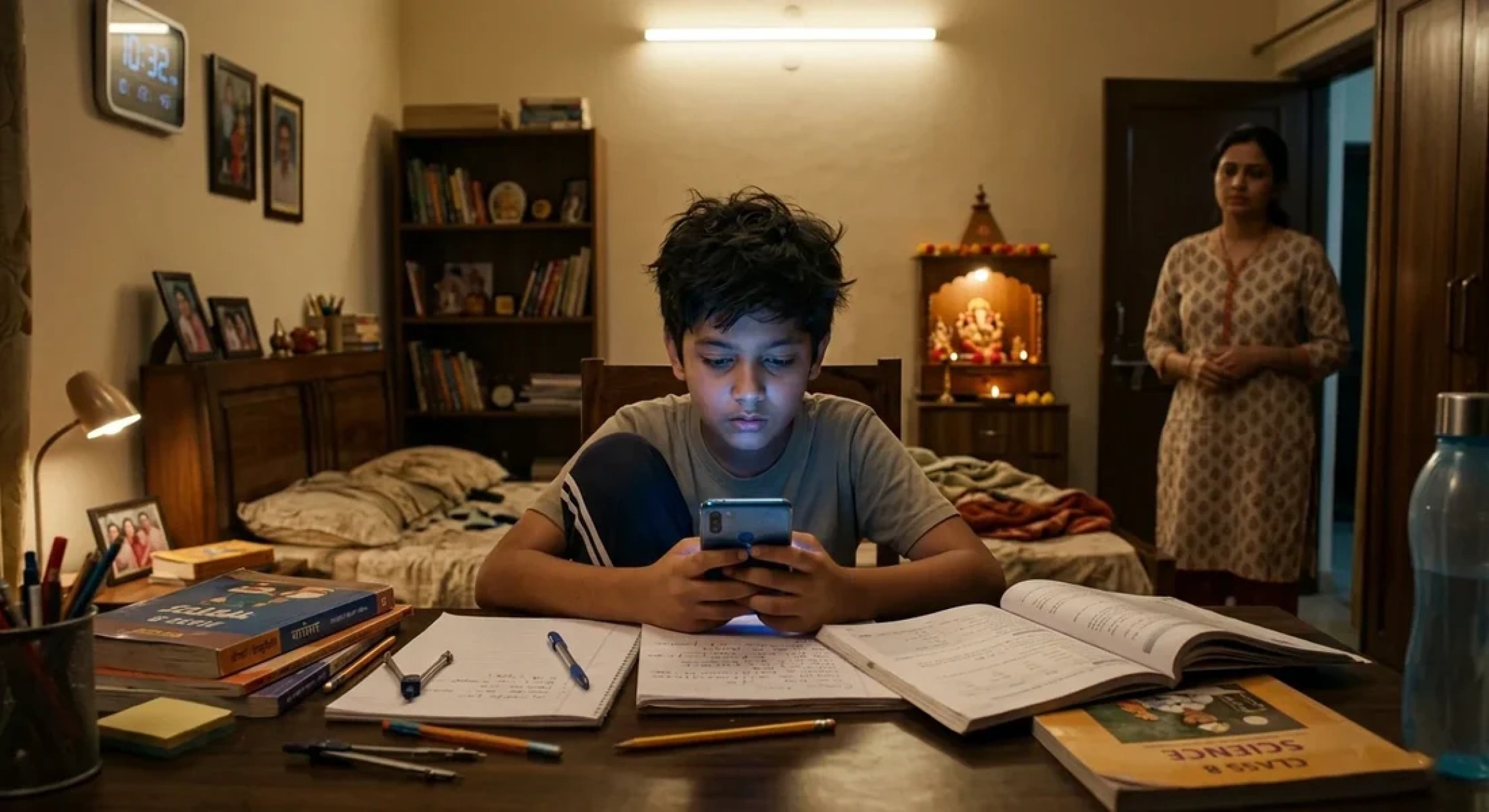
Globalization and the rapid advances in technology have created their own set of problems among children and youth. Many of them have become increasingly interested and even addicted to their mobile phones, laptops, and televisions. When the use of these screens exceeds healthy limits, these children and young adults tend to develop a sedentary lifestyle, which becomes a major risk factor for lifestyle diseases. Over time, they also earn the unfortunate labels of couch potatoes and bed rotters.
The term couch potato was first used in 1976. Couches—whether sofas, settees, or divans—are long seats with arms and backs that children and youth use for sitting or lying down, often while continuously scrolling through their phones, computers, or television screens. This constant inactivity makes them lazy, sedentary, and overweight. Potatoes grow underground, and in a similar manner, these children and youth bury themselves under pillows and cushions while glued to their screens.
Some spend long hours lying on their beds, endlessly scrolling through their phones, watching videos, chatting, and consuming snacks or protein bars. Occasionally, they stare blankly at the ceiling between bouts of online browsing. This modern behaviour is referred to as bed rotting. Such children often develop fat bellies, half-closed eyes, and poor posture as a result of constant exposure to social media, online games, and unproductive information that shortens their sleep and disrupts their health.
This lifestyle makes them lethargic and inactive. A sedentary life involves prolonged periods of sitting or lying down with little physical activity, often while glued to screens. As a result, couch potatoes and bed rotters are at high risk of developing lifestyle diseases such as obesity, heart disease, Type 2 diabetes mellitus, mental health problems like depression and anxiety, poor posture, high blood pressure, bone and joint disorders, fractures, osteoporosis, poor circulation, muscle weakness, slow digestion, and constipation.
Besides the physical problems, mental health is also deeply affected. Prolonged screen use leads to depression, anxiety, laziness, lack of motivation, and disturbed sleep. Addictive games, gaming consoles, and mobile apps contribute to increased screen time, leaving no time for exercise or outdoor activity.
While advanced technology has its benefits for education, work, and entertainment, the problem begins when it becomes excessive. Children who are addicted to screens experience negative impacts on their health, behaviour, studies and future careers.
It is estimated that about 47% of the global population spends between 4.7 to 6.5 hours sitting every day. According to figures from the Centres for Disease Control and Prevention (CDC), nearly 25.3% of Americans are physically inactive. Such habits contribute to problems like migraine, gout, poor vision, hair loss, lipid disorders, and even increase the risk of cancers such as breast and colon cancer.
Prolonged screen exposure also affects brain function. It reduces concentration, slows cognitive abilities, and causes loss of sharpness and focus. Blood circulation is slowed, reducing the oxygen and glucose supply to the brain. Many suffer from neck and shoulder pain, poor posture, and ligament or joint problems due to long hours spent sitting in awkward positions.
The cardiovascular system is also affected, leading to atherosclerosis, coronary artery disease, and even heart attacks. The pancreas becomes overactive due to insulin resistance and low insulin sensitivity, resulting in metabolic syndrome and diabetes mellitus. Prolonged inactivity in the legs leads to venous stasis, varicose veins, blood clots, deep vein thrombosis, and pulmonary embolism.
A large study conducted in India involving over 21 lakh students from 74,229 government and private schools produced alarming results. It revealed that 43% of Class VI students were unable to grasp the main ideas in a text, and 63% of Class IX students faced difficulties in understanding numbers, numerical sets, and patterns. Prolonged screen exposure, especially in children below five years of age, leads to slow language development, decreased cognitive skills, poor social interaction, obesity, sleep disturbances, difficulty in concentration, and even a condition described as “virtual autism.”
Some children also develop additional unhealthy habits such as smoking, alcohol consumption, and eating junk or fast foods. These habits further contribute to lifestyle diseases and health decline. Because these children rarely go outdoors or spend time in sunlight, they also tend to have low Vitamin D levels, which affects bone strength and immunity.
It is therefore of paramount importance to take preventive measures at home and in schools. Parents, guardians, and teachers play a key role in helping children develop healthier routines. They must limit screen time, encourage outdoor play, physical exercise, and creative hobbies like painting, storytelling, and puzzle-solving. It is also essential to keep mealtimes and bedtimes free from gadgets and screens, to help children form better habits.
Mass media campaigns and the use of modern tools such as Artificial Intelligence for awareness and counseling can also help. Without intervention, the rising generation may face serious health challenges that will harm not just individuals but society as a whole. An unhealthy youth population will affect growth, productivity, and economic progress.
A society that is fit, healthy, and happy is the cornerstone of development and well-being. Hence, promoting awareness of screen addiction and encouraging an active lifestyle among children and youth is crucial. Parents and teachers must also lead by example—by practicing limited and responsible screen usage themselves.
Another study revealed that nearly 40% of undergraduate medical students pursuing MBBS are addicted to smartphones. This is particularly alarming because these students are the future doctors of tomorrow, and their habits will influence future generations. Such addiction needs to be identified and curtailed early.
Screen addiction brings along several health issues including eye strain, visual fatigue, sleep disturbances, emotional and behavioural changes, irritability, anxiety, depression, and frustration. It can also pose serious safety risks. People engrossed in their phones while walking on roads or crossing unmanned railway tracks may meet with accidents that could even be fatal.
The motivation to overcome screen addiction must come from within. Each individual needs to take responsibility for their own health and habits. Self-discipline, awareness, and parental guidance are key to preventing this modern epidemic. Parents and teachers must act as role models by demonstrating balanced screen usage and encouraging healthy, active lifestyles.
Screen addiction has now become a great hazard affecting children, youth, and adults alike. If not addressed collectively, it will continue to cause health, behavioural, and social problems on a large scale. The time to act is now—to create a future generation that is alert, active, disciplined, and healthy.
A fit and focused youth is the foundation of a strong and progressive nation. It is only through awareness, preventive measures, and discipline that we can prevent our children from becoming couch potatoes and bed rotters and instead nurture them into energetic, productive, and responsible citizens of tomorrow.
(The writer is a Professor of Pathology, former Head of Department at Goa Medical College, former Dean of Goa University, and the current President of the Asian Society of Cytopathology)


