This week the biodiversity devotee in me got closer to untangling the knots of cynicism and despair. My askant approach to all that is ‘state sponsored’ briefly seemed misplaced, after I participated in the two consecutive days of biodiversity celebrations in the serene agrarian village of Neura in Tiswadi taluka.
On the afternoon of May 22, the imposing building of Neura Panchayat was the venue for ‘International day for Biodiversity’ organized by State Biodiversity Board. The next day the same venue saw the launch by the central minister, of national campaign for validation of ‘People’s Biodiversity Registers’. Both the events were very well organized, with overwhelming participation of the common Goemkars from across the state, and despite some trickle of inevitable political histrionics, much pretence was shed and raw earth-friendly emotions flowed profusely!
I did partake in this wonderful celebration of our state’s rich living wealth, and humble show of admiration and gratitude towards those unsung ‘bare feet ecologists’; who otherwise get obscured by the technical jargon of sombre-faced, enormously qualified and state-endorsed experts. The air was filled with sincerity and enthusiasm ad libitum, and the otherwise tense and terse politicians also chose to wear an expression of grace.
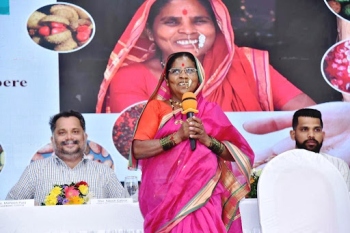
The highlight of the first day was a passionate candid interaction with Rahibai Soma Popere, a Mahadev-Koli tribal farmer from Akola, who’s inspirational journey from being a young mother left to fend for herself by tending to cattle and slogging as daily wage labourer in sugarcane fields; to being conferred with Padmashri by Indian government and earning the epithet of ‘Seed Mother’ from none other than celebrated scientist and former Director General of CSIR, Dr Raghunath Mashelkar.
The nine-yard sari-clad, short statured woman just took the stage, and then it was as they say… ‘she came, she spoke and she conquered’ with her straight from the heart talk without an ounce of pretence, pride or jargon. Her narrative was experiential and not hearsay. She took a position of humility but did not play the victim card. Raising the pitch against chemical fertilizers and hybrid seeds, she cautioned on the health effects of these ‘twin agro-villains’. She made a passionate appeal to all to make our food ‘toxin free’. Her rustic unpretentious appeal was genuine and her eyes sparkled when she shared her success story of ‘Seed bank’ enthusing her villagers to be self-reliant for meeting requirement of seeds of wild edible crops and vegetables, and promoting organic farming.
The woman revealed that she gets visitors pouring in to learn from her, “but then what can I, an illiterate woman teach them”…she asks! She gestures in disapproval and emphasizes on the health hazards of fast foods, and smiles gleefully that PM Modi enquired about her seed bank and has promised that he’d visit her village.
The who’s who of State’s biodiversity governance sat through this session with rapt attention. The Environment Minister Nilesh Cabral’s body language suggested respect, esteem and empathy for this woman agro-warrior; smilingly (very uncharacteristic for his known brusque demeanour when dealing with green brigade) he conveyed respect; and even went on to admit subtly that it is his portfolio compulsion at times to put environmental interest on the back burner for sake of development!
The young MLA of St Andre, Viresh Borkar is of course the ‘son of the soil’ and sought to draw the attention to the dismal and decrepit state of the Khazan field bunds in Neura and elsewhere. The State Pollution Control Board Chief, Patil too did not attempt to conceal his emotions and seemed in total awe and agreement of Rahibai’s utterances. The Member Secretary of the state Biodiversity Board Dr Sarmokadam could barely hide his disenchantment with the damage done by agrochemicals, and his face seemed visibly troubled and empathetic to the torment that ‘Bijmata’ faced all along her life until her recognition as one among the three women influencers by BBC in 2018.
As I leaned forward in my chair to listen to her intently, I experienced a lump in my throat. Tears were welling-up in my wife’s eyes, sitting beside me, and I realized many in the audience were going through similar emotions, despite not understanding Marathi fluently. A sense of humility and conformance swept through my head, and I felt humbled.
When called upon to ask her a question during the interactive session, I confessed that her talk had made me realize that our bookish knowledge is skewed and superfluous. On asking how she sees the fast vanishing traditional healthy food culture in our homes, with invasion of fast foods centres and restaurants, she lamented that it is difficult to convince everyone. She cautioned that while we spend money on clothes and cosmetics, we neglect healthy diets and invite sickness incurring poor health. Of the much that she said, what caught my attention particularly is her understanding of our ecological inter-connectedness. Pointing her finger at the audience she cautioned …“if our soil is healthy, the crops that we cultivate shall be nutritive, and eating such healthy food is the only key to disease-free life’. A bare feet woman, who never climbed the steps of any school in her life, was addressing a gathering of supposedly learned and affluent audience, and they were convinced, even if it were for a little time until they scrolled their mobile screen for their next Zomato and Swiggy orders!
Well, for me it was a fulfilling afternoon; where customary optics, actorly expertise and oratory gimmicks of political agenda were conspicuous by their absence. For once the ‘reel’ had taken a backseat, and the ‘real’ was at the centre stage!