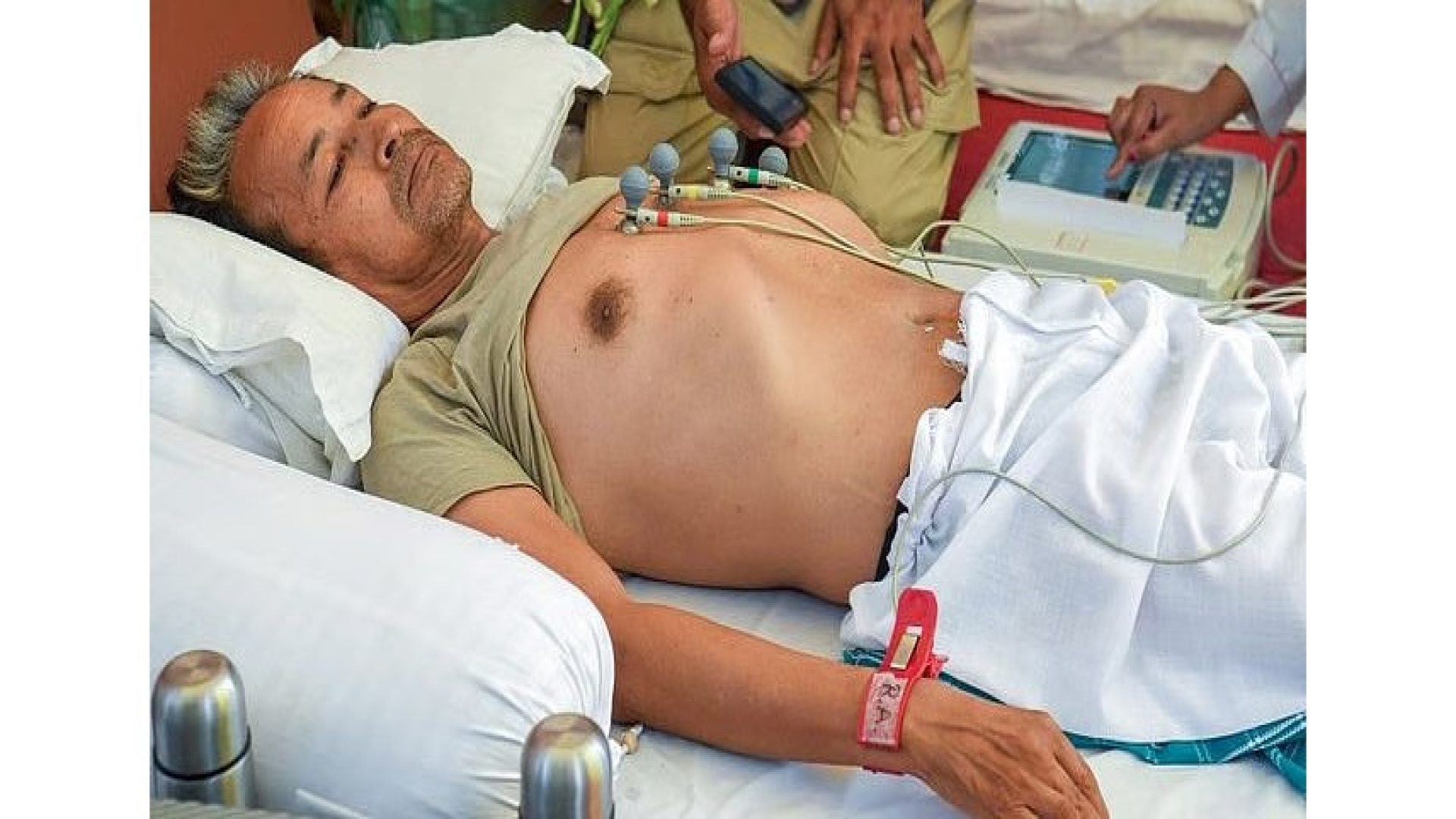
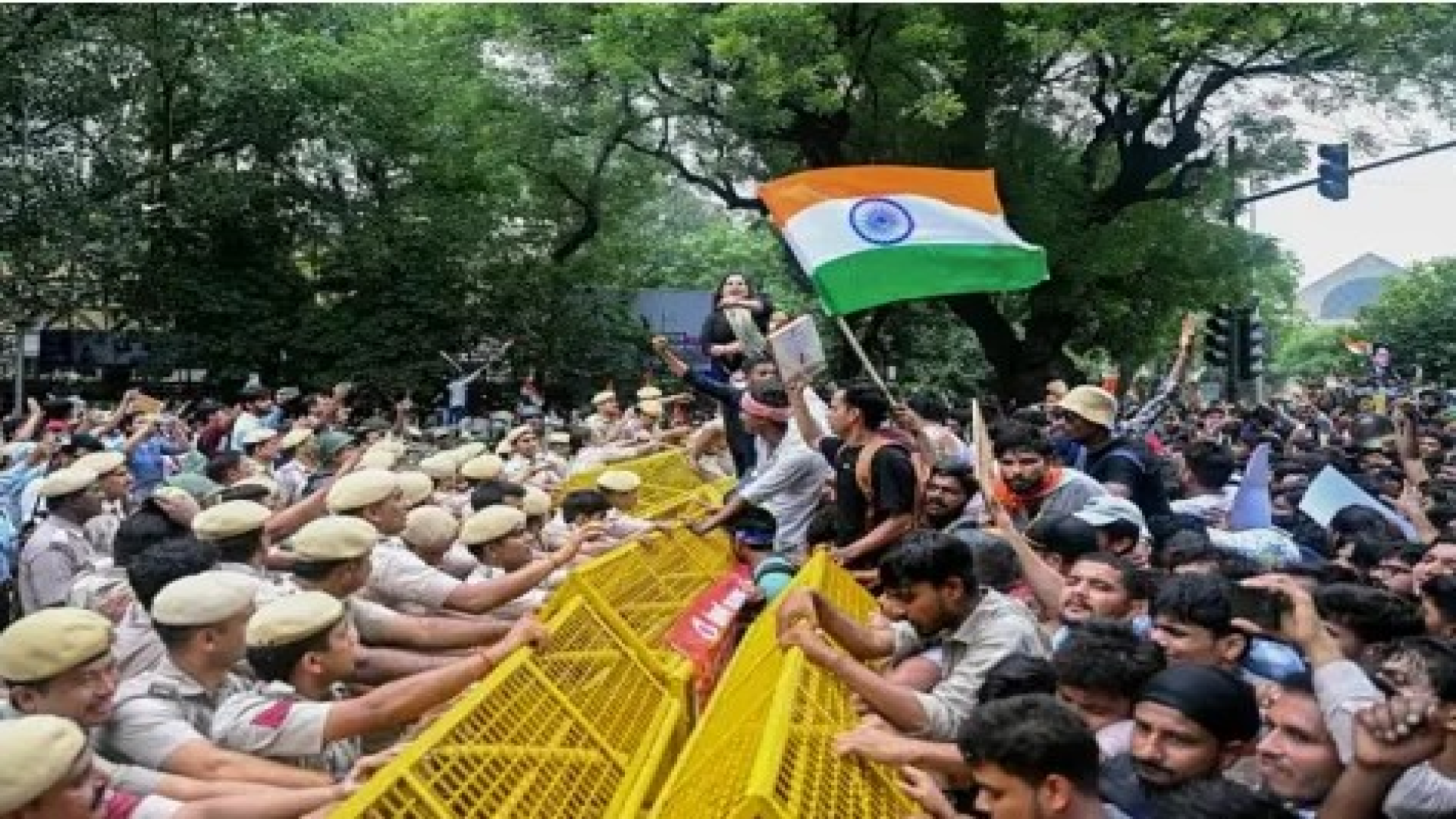
The images emerging from Jantar Mantar in New Delhi have once again highlighted one of democracy's most recognisable expressions of public dissent. Citizens from across the country continue to assemble there to voice grievances that they believe have not received adequate attention from those entrusted with governance. Such gatherings remind the nation that peaceful protest remains an indispensable constitutional freedom and an important instrument through which accountability may be sought from public authorities. Yet, an equally important constitutional question deserves consideration. Must every State necessarily adopt the same model of democratic engagement, or do local circumstances justify a different approach that is equally faithful to constitutional values?
It may be suggested that Goa occupies a unique constitutional position. Unlike many larger States, Goa is geographically compact, possesses a comparatively small electorate, and continues to offer a level of accessibility to elected representatives that is becoming increasingly uncommon elsewhere in the country. Members of the Legislative Assembly, Members of Parliament, municipal councillors and village panchayat representatives remain far closer to the communities they serve than is ordinarily possible in larger jurisdictions. This proximity creates an opportunity to strengthen democratic participation through structured constitutional engagement before public confrontation becomes necessary.
The Constitution of India was never intended to function solely through public demonstrations. It established representative institutions that were expected to receive grievances, deliberate upon competing interests and respond to the concerns of citizens through lawful governance. Elections do not conclude democratic participation. They merely determine who shall temporarily exercise constitutional authority on behalf of the people.
Every elected representative carries a continuing obligation to hear public concerns, facilitate dialogue with the executive and ensure that administrative authorities remain accountable. Likewise, every public authority bears a corresponding duty to consider legitimate representations with fairness and reason. Constitutional governance therefore depends not only upon periodic elections but also upon continuous communication between the governed and those entrusted with public office.
Strength of well prepared
memorandum
Public debate often underestimates the constitutional significance of a carefully prepared memorandum. It is frequently dismissed as a routine administrative exercise when, in reality, it represents one of the most disciplined forms of democratic participation.
A properly researched memorandum identifies the grievance with precision. It records the relevant facts, refers to applicable statutory provisions, explains the constitutional implications, proposes practical solutions and creates an official record that cannot easily be ignored. It compels public authorities to confront clearly articulated issues instead of responding to general expressions of dissatisfaction.
Unlike emotional public speeches, a written representation remains permanently available for scrutiny. It enables citizens to monitor administrative responses, assess governmental commitments and determine whether assurances have ultimately translated into meaningful action. It also allows subsequent judicial review where executive inaction becomes apparent.
Why Goa is different?
Goa's political character differs significantly from that of larger metropolitan States. Distances between citizens and their representatives remain relatively short, both geographically and institutionally. Public consultations, constituency meetings, village gram sabhas and direct interactions with Ministers continue to remain accessible to an extent that many other States can no longer realistically provide.
Such an approach neither reflects weakness nor excessive deference towards authority. Rather, it reflects confidence in constitutional institutions and a willingness to permit representative democracy to function as originally intended.
Equally important, structured dialogue frequently produces solutions that public confrontation cannot easily achieve. Negotiation allows administrative flexibility, encourages technical examination of policy proposals and permits consensus to emerge without compelling public authorities to adopt defensive political positions.
None of this should be interpreted as diminishing the constitutional importance of peaceful protest. Article 19 of the Constitution continues to protect freedoms of speech, expression and peaceful assembly, subject only to reasonable restrictions imposed by law. These freedoms have played a central role throughout India's democratic history and have repeatedly enabled citizens to challenge governmental excesses, administrative inaction and violations of constitutional rights.
Indeed, there will inevitably arise situations where repeated memoranda, meetings and consultations produce little more than prolonged silence. Public authorities may fail to respond despite overwhelming evidence, or executive action may continue in disregard of constitutional obligations. Under such circumstances, peaceful public demonstrations become not only legitimate but often necessary.
The constitutional legitimacy of protest therefore does not depend upon governmental approval. It arises from the constitutional recognition that sovereignty ultimately resides with the people.
Preserving Goa's
democratic culture
Goa has historically demonstrated a vibrant civic consciousness. Environmental concerns, heritage preservation, land use policies, infrastructure projects and questions affecting local communities have all generated active public participation.
Yet, it may equally be argued that Goa possesses an opportunity to cultivate a distinctive democratic culture in which constitutional dialogue precedes public demonstration. A carefully documented memorandum submitted collectively by affected citizens, supported by legal reasoning, empirical evidence and practical recommendations, frequently carries greater long term institutional value than a demonstration that concludes once public attention shifts elsewhere.
The true measure of democratic maturity may ultimately lie not in the frequency with which citizens occupy public spaces but in the seriousness with which constitutional processes are first pursued. Goa's comparatively small population, accessible political institutions and long tradition of community participation provide conditions that are particularly well suited to such an approach.
Where memoranda are carefully researched, respectfully presented and conscientiously examined by elected representatives, democracy is strengthened through dialogue rather than division. Where those representations are ignored despite repeated engagement, peaceful protest continues to remain the constitutional safeguard that reminds every public authority that governmental power exists only because the people have chosen to confer it.
Goa therefore need not reject the spirit represented by Jantar Mantar. Rather, it may demonstrate that constitutional democracy is often strengthened when dialogue is given the first opportunity to succeed, and when public protest is reserved for those occasions where constitutional engagement has been exhausted without meaningful response.