Rajani Kant Verma
For years, we've figured out ways to move water from one spot to another. Now, it's time to focus on saving it where it actually rains. India relies too much on centralized water supply systems, but it's time for a change. Goa might just have the solution we need.
India gets plenty of rain, but we're not good at saving it or using it when we need it. We need to find ways to keep the water and make it last all year.
Every year during the monsoon season, huge amounts of rainwater pour into our rivers and drainage systems, only to end up in the ocean. But just a few months later, the same areas are dealing with water shortages, empty wells, and not enough drinking water. Cities are forced to look for water in far-off reservoirs, while villages rely more and more on groundwater. It doesn't make sense that we have too much water one moment and not enough the next -- something is clearly wrong with the way we manage our water.
The world is running out of water, according to a report by the United Nations University Institute for Water, Environment and Health (UNU-INWEH) released in January 2026. We're not just talking about water being scarce, it's worse than that. We're using up groundwater, hurting natural water systems, and using water way faster than it can be replaced by nature. This is what's called global water bankruptcy, and it's a big problem.
India needs to take
this warning seriously
We usually respond to water shortages by constructing more dams, reservoirs, and pipelines. This infrastructure is essential, especially for big cities and industries. However, it's costly to build and maintain, and it often requires a lot of energy to pump and transport water. It's also prone to contamination and can be damaged by natural disasters or breakdowns. If a major water source or pipeline fails, an entire city or region can be left without water.
We've focused on getting water to the places that need it. But we haven't put as much effort into saving the water that's already there, where people are living.
That is where our thinking needs to change.
India should keep its big water systems, but also build a stronger network of small, local systems to support them. Basically, every village, neighbourhood, and even hotels and factories should take care of their own water by collecting rainwater, using less of it, and reusing waste water when they can.
To start, we need to take a simple step: Create a water budget for each village and urban area. This means finding out how much rain falls in that area, how much groundwater is being used, and how much water households and businesses use. We also need to know how much waste water they produce and how much of it can be reused. Without this information, governments are making decisions about water systems without knowing the whole story about the local water supply.
It all starts in the village. That's where community ownership and decision-making based on facts come into play, and where water reuse begins. People are already familiar with structures like tanks, check dams, and farm ponds, and these tend to last longer when the community takes care of them. For instance, deepening a pond or tank can be really beneficial - it helps restore groundwater, and farmers are more than happy to pitch in with the work because they can use the silt that's dug out of the bed for their own benefit.
Dams require regular maintenance too. The problem is that silt accumulates behind them, which reduces their storage capacity, so it's essential to keep it under control to ensure a steady water supply throughout the year. On farms, techniques like micro-irrigation, mulching, and harvesting water through diversion can help crops make the most of every litre of water, making farmers less reliant on timely rainfall. Lakes also serve as storage facilities for water. Fortunately, methods like phytoremediation and bioremediation can be used to restore them. And by using solar power to run these processes, we can keep their carbon footprint extremely low.
Using treated
wastewater
Digital tools are really helpful when it comes to making decisions about water supply, irrigation, and flood control. For example, smart meters can show us where water is being wasted, which helps reduce the amount of non-revenue water. By using satellite images and remote sensing, farmers and irrigation departments can time their water releases more effectively. Automation and real-time monitoring of canals also support better flood management.
When it comes to handling floods, a combination of different approaches works best. This includes blue infrastructure like rivers, lakes, and wetlands, which can help absorb excess water. Then there's green infrastructure, such as parks, rain gardens, and urban forests, which can also play a role. And finally, there's grey infrastructure like pipes, pumps, and storage vaults, which are important too. But the key is to use these different approaches together, and to work with nature-based solutions and improve drainage systems.
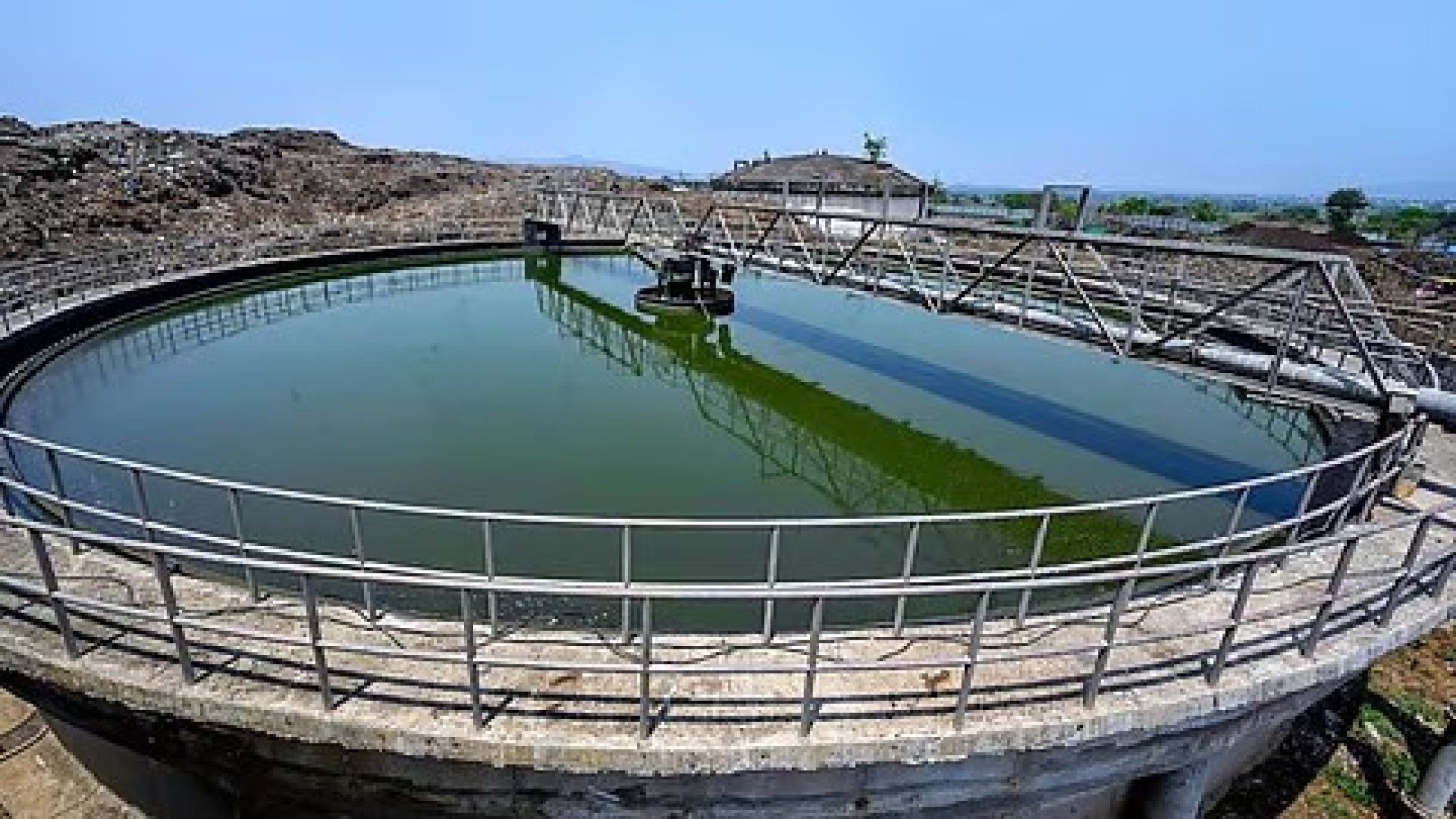
Also, using treated waste water can really help reduce the amount of water we take from rivers and underground layers of rock, known as aquifers. This is a simple way to move towards a circular economy, where we reuse and recycle as much as possible.