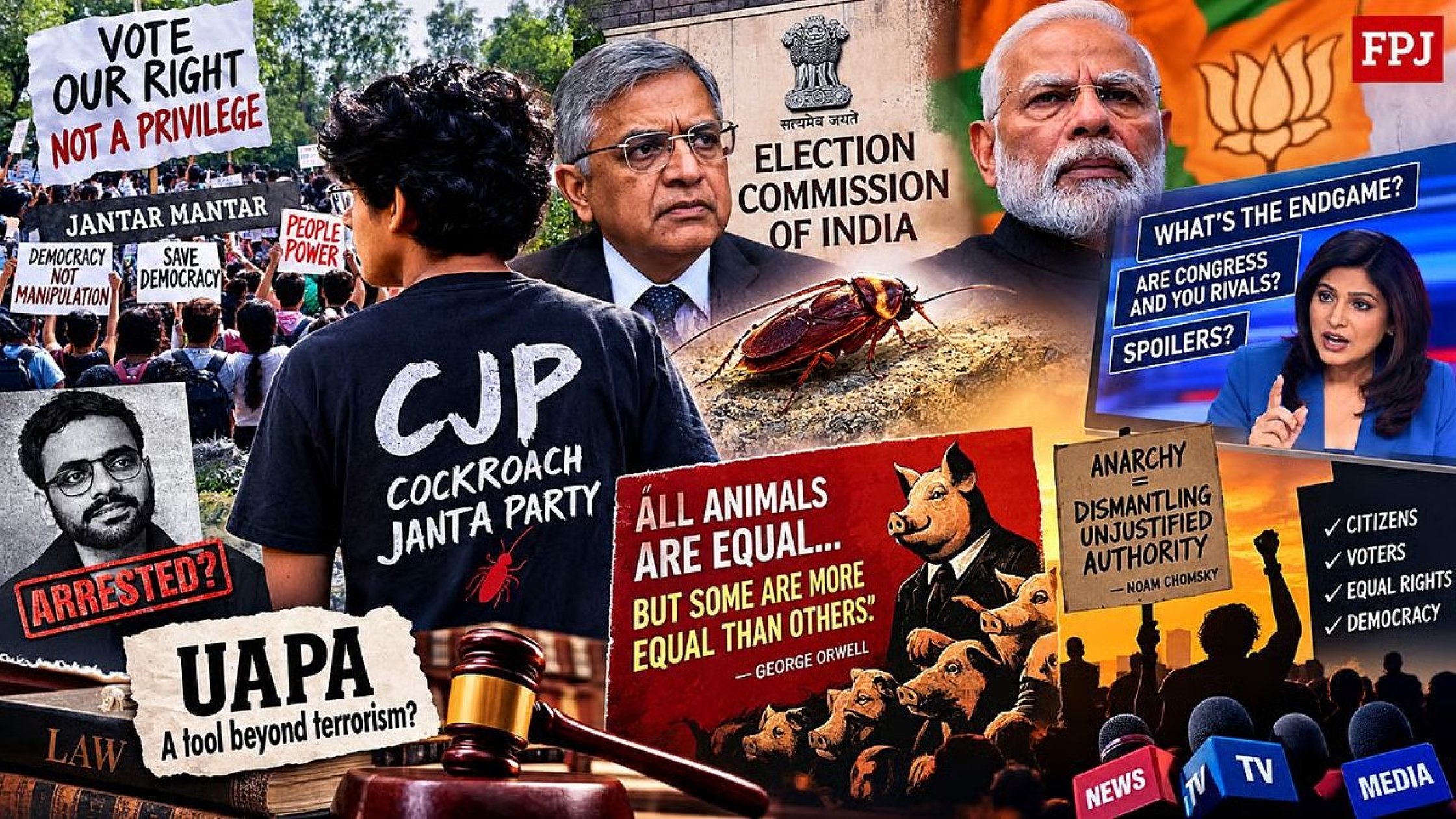
Once more, a message is coming in from the streets. There are basically two ways of looking at this. One is to see it as a dangerous trend, a rigged set of protests, and the handiwork of even anti-national forces. That is how the State, and of course any government in power, would like us to view street-based protests.
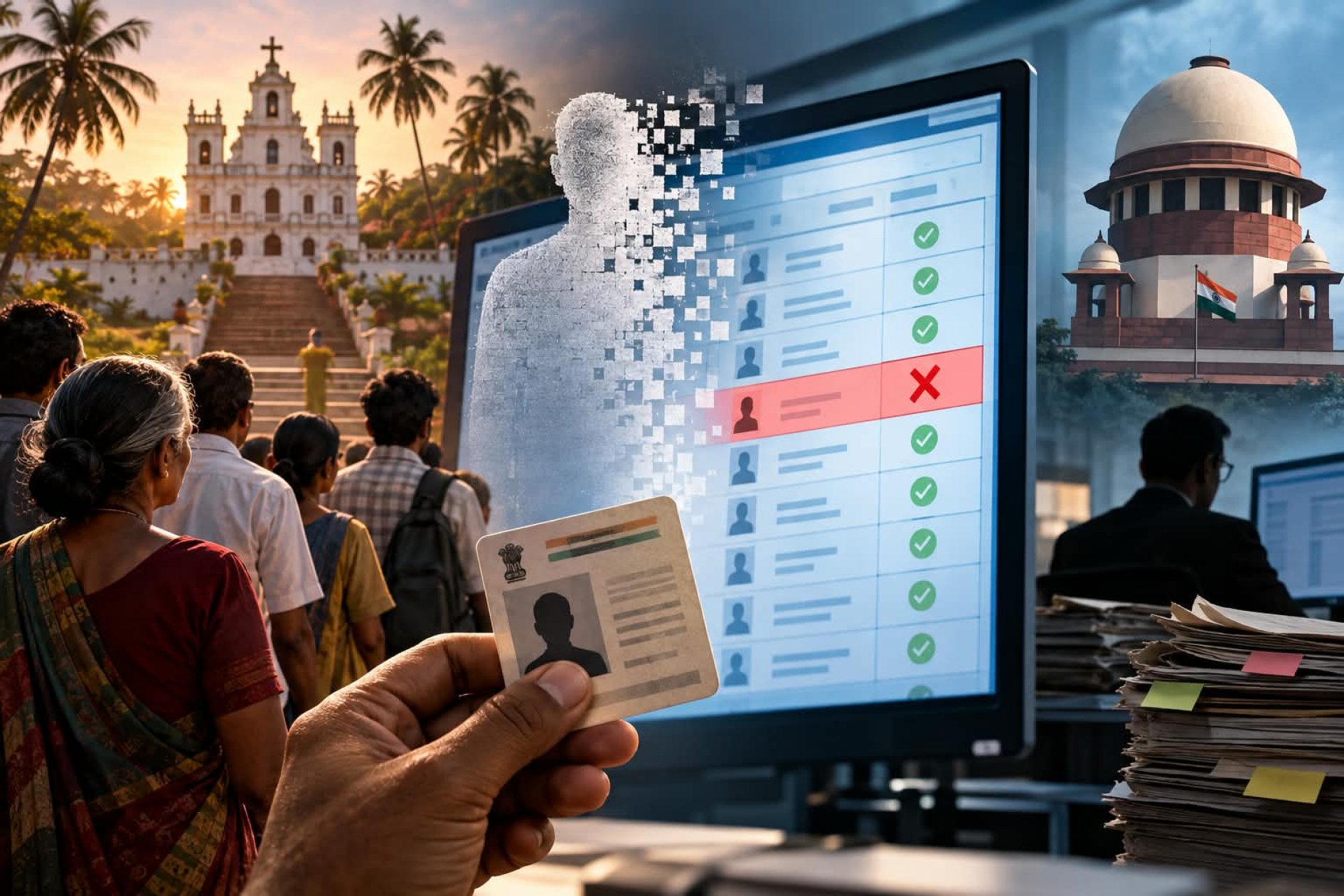
On the other hand, once frustrations reach a certain boiling point, the spill over is to be only expected. Earlier this year, it was gross mismanagement of crucial entrance exams affecting so many lakhs of young students across India. This time round it is the ham handling--even possible manipulation--of elections, which has got so many citizens riled up.
That there is a political dimension to the protests cannot be denied. Elections are due in Goa; at the national level, PM Modi is in his third term. Regardless of the electoral results, the BJP is firm in power. Sometimes bolstered by defections, and so many tricks of the trade, some barely legal.
Dissent getting politicised is part of any electoral democracy. Local political forces (leave aside the 'foreign hand') cannot stoke up issues when no dissent exists.
To see things in context, we could look at Goa's own history with street protests. Over the decades, many have been held. Each has been perceived very differently.
Each time, the government of the day was critical of the protests. In a paper written sometime in the 1990s, this columnist attempted to see how such protests were treated by the media too. Mostly, the media took the official, government line over this. Later, as media competition grew, there was a bit of a softening. Competition is not a bad thing.
From the 1960s, Goa saw protests over identity, language and statehood. This began with anti-merger and pro-merger rallies and campaigns (1965-1967). The Opinion Poll was one fear that worried many here. Later, in the 1980s, there were also the battles between Konkani and Marathi. In the 1990s, Goa saw protests over the Medium of Instruction. Devanagari Konkani and Marathi supporters teamed up to block grants to English primary schools, leading to more protests on the streets.
On the language front too, the 1987 Official Language Act did not end the dispute. Romi Konkani, which was left out in the cold, has continued to campaign, though in smaller numbers.
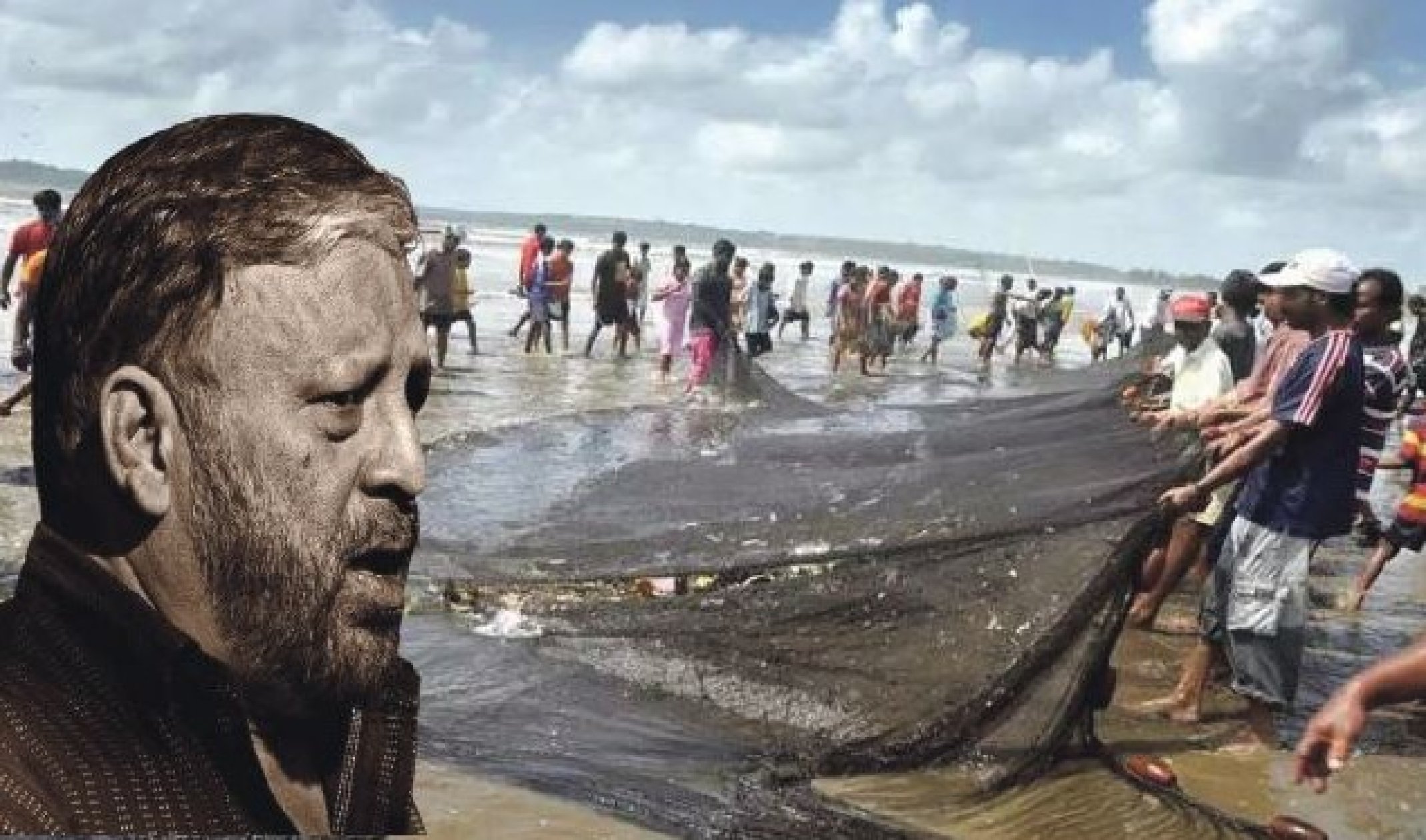
But, for those in our generation, the Mother of all Protests could be the ramponkar (or, traditional fishermen) protests, and student agitations. In the first, large groups of poor villagers, struggling to retain their traditional occupations, took to the streets, held hunger strikes, and organised dramatic protests. They were led by educated youth, of the likes of Matanhy Saldanha and Christopher Fonseca, who, in today's terminology might be dismissed as 'urban Naxals'. Police lathi charges were not uncommon.
Siya Sukhtankar, a young student of the Gen Z generation, recently reminded us of these days recently when she documented (as her project) the archives of the Ramponkar Movement. She spoke on this topic at the Xavier Centre of Historical Research. Another account by a participant, Braz Faleiro SJ, the priest and protest leader, is online at https://archive.org/details/fr-braz-faleiro
The 1980s were times of large labour protests, which took up various issues. On May Day (May 1), there would be a few thousand people taking to the streets. Maybe six to ten thousand or so would march, shouting slogans. The next day, their protest would get a single column in the newspaper, which would be headlined something like 'Peaceful Workers' Protest in Panjim'.
But in the earlier decade, the drama of the student movement is hard to recount. It was played out in an era when cameras (photography, and especially video) were scarce. But Sandeep Naik's photo of police lathi-charging girl students outside the old Secretariat in the 1980s was, and still remains, a classic.
There were other street protest movements too. The toddy tappers' mobilisation, the 50% bus fare concession demand for students, environmental issues including mining, Zuari Agro pollution, Konkani Railway, Du Pont, and Meta Strips, among others.
The early protests against Zuari pollution led politicians like the late Matanhy Saldanha to argue that Goa was implementing environmental concerns, even before the word "environment" itself became a fashion.
The student protests perhaps precipitated the collapse of the then unpopular Shashikala Kakodkar government. Likewise, the anti-molestation agitation (and hunger strikes) came at a time when the Congress had been in power for nearly a decade, and was growing increasingly unpopular. But, politics is a part of protests. Any shrewd politician will see opportunity in citizens' ire, and seek to take advantage of it.
I recall undertaking a trip to Ramnathi temple in the 1980s, at the time the Save the Western Ghats mobilisation was taking part. Some of these were small group meetings; others were larger, and street-based like today.
Goa Bachao Abhiyan (2006 onwards, which had the potential to embarrass the Congress government, and backed in some ways by the Opposition BJP), the Regional Plan 2011 protests (mid-2000s), Anti-SEZ (2007 onwards), and campaigners over forests, rivers, coal transport, and Save Mollem (2020 onwards), need to be noted as well. This list is far from complete.
For its part, the BJP has also led its own campaigns, in its attempts to come to power at New Delhi and Panaji.
Campaigners and their motives are sometimes seen with cynicism. But, a street protest is a kind of baptism by fire. Once someone takes part in it, it could change their skepticism towards power for much of their life. Many who were student activists a generation ago are still active in taking up concerns. Thus, it could be seen as an extension of the democratic experiment.