PANAJI
The Goa government's initiative to relocate scrapyards to industrial areas or estates, a cornerstone of its draft policy to regulate them, has run into strong resistance from industrial stakeholders, who fear that it could create more problems than it solves.
The policy seeks to move scrapyards and allied activities from scattered locations across the State to the designated industrial areas. The government argues that the move will improve regulation, ensure scientific waste handling and reduce environmental and safety risks in villages, residential zones and commercial areas.
But while industry leaders agree with the need for regulation, they strongly oppose the proposal to house scrapyards within established industrial estates such as Verna, Kundaim and other key manufacturing hubs.
"We support the government's objective to regulate scrapyards and move them away from villages and residential areas. The recent fires and blasts have highlighted the urgent need for a notified policy," said one industry captain, speaking on condition of anonymity.
"However, relocating them into existing industrial estates, particularly model estates being developed to modern standards, is not the solution."
Fire safety and environmental concerns
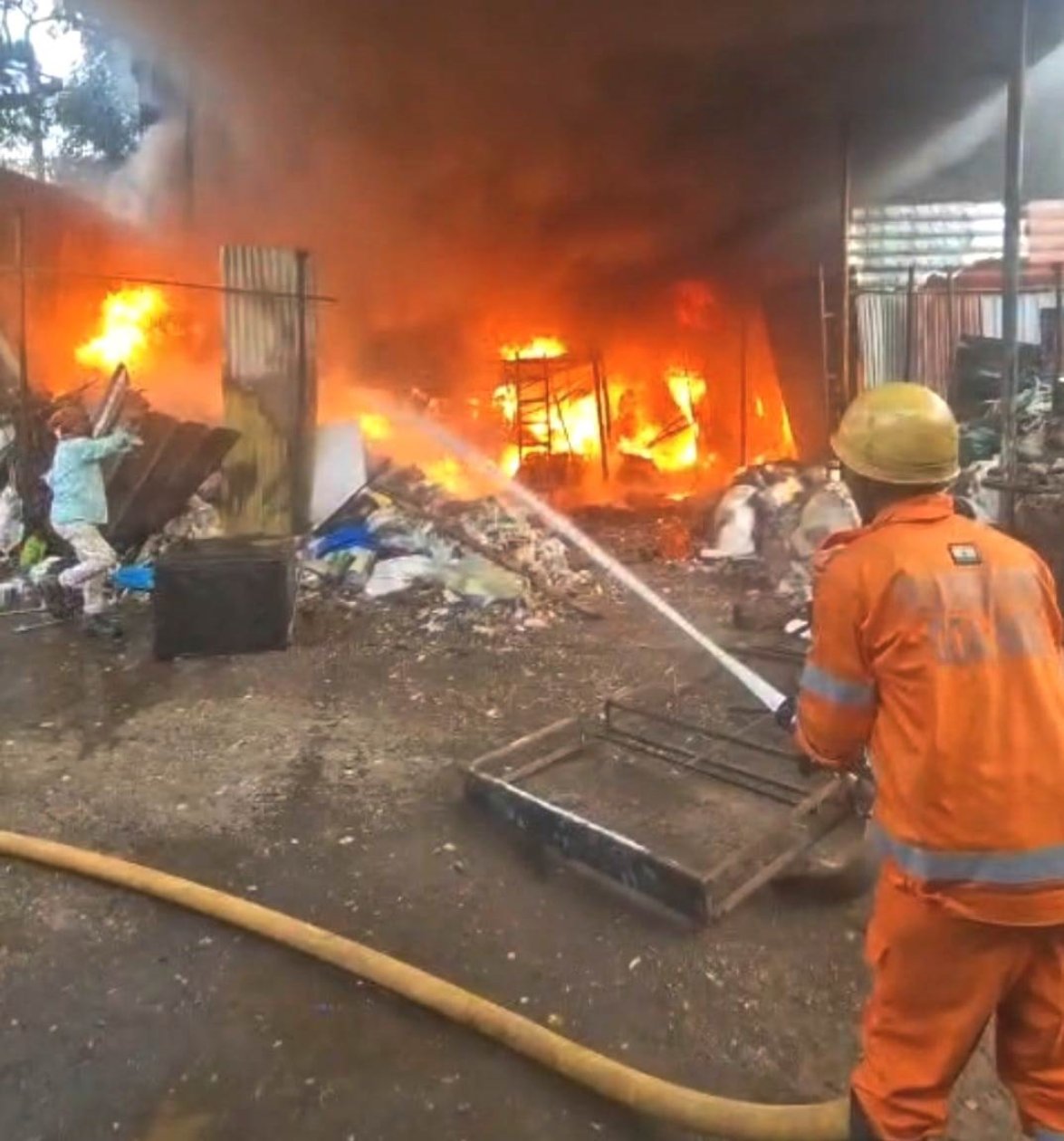
Industrialists have flagged three major concerns: fire safety, environmental compliance and security. According to industry representatives, more than 75 scrapyards are allegedly operating without valid fire NOCs. The recent fire incident in Kundaim has already prompted authorities to order safety audits across industrial estates.
"Adding high fire-load activities next to engineering units, warehouses and facilities storing chemicals is a major risk," said Sanjay Amonkar, Director General, Goa Chamber of Commerce and Industry. Amonkar also said export-oriented pharmaceutical and food-processing companies have raised separate concerns.
Many operate under stringent international standards, including US-FDA and European regulations. "These industries require clean and controlled environments. Open scrap handling, oil leakage, dust and hazardous waste could disrupt their ecosystem and potentially affect export compliance," said another industrialist who operates a large venture at Verna.
Security is another flashpoint and there is genuine fear of increased theft of raw materials, machinery components and industrial scrap if scrapyards operate within the same estate, the industrialist said.
Industrial land use debate
Several other stakeholders also contend that existing GIDC allotment regulations do not permit scrapyard activity within industrial estates. They argue that such estates were conceived to promote manufacturing, technology and value-added industries.
"The issue is not about opposing recycling. Every economy needs a robust recycling ecosystem. The concern is compatibility," said an entrepreneur, adding that scrapyards require dedicated infrastructure and should ideally be located in separate zones designed for their operational needs.
Industry bodies, meanwhile, have urged the government to instead develop dedicated scrap and recycling hubs with independent access roads, fire buffers, pollution-control systems and security infrastructure.
With the draft policy open for consultation, the debate has evolved into a larger discussion on land use, industrial planning and the future of Goa's recycling economy and could prove a challenge for the government to find a balance to protect the character of some of the State's better industrial estates from its plan to shift scrapyards there.