MAPUSA
For a tourist ordering a plate of chicken at a beach shack in Goa, the assumption is that the meat has been sourced locally and reaches the kitchen through an established supply chain.
However, conversations with shack owners and hoteliers along the coastal belt suggest that the actual origins of the chicken are not always known. While most establishments depend on local suppliers, this does not necessarily mean the poultry is locally produced.
The distinction between buying locally and producing locally is particularly important, given that Goa's poultry requirements are understood to be supplemented by supplies from Karnataka and Maharashtra.
Two beach shack operators in Calangute said they largely depended on a handful of local vendors, including Royal Food and Beef Chick Centre.
A Baga shack owner, John Lobo, said his establishment procured chicken from suppliers in Calangute. “We don't know from where they procure the chicken because they are local, we just buy from them,” he said.
The uncertainty over sourcing has fuelled speculation among buyers about chicken being brought from distant markets, including Delhi. “Right now, we believe that the chicken is coming from the Goa farms. But some may be coming from outside Goa, especially during the peak season when demand rises,” Lobo said.
Another shack operator, Manuel Cardozo, confirmed that chicken was purchased from Calangute market, primarily through suppliers such as Royal Food. The supplies, he said, were frozen, while expressing the possibility that vendors could be supplementing locally reared poultry with birds brought from neighbouring States when demand rises.
Unknown origin
A hotelier, Serafino Cotta, offered a more pointed perspective on the sourcing arrangements, saying that hotels generally maintained supply arrangements with particular vendors, including Royal Food and Ambika, besides procuring from the open market when required. He questioned the extent to which some poultry businesses claiming to be local producers were actually raising the birds in Goa.
According to him, some suppliers bring chickens from Karnataka and hold them at their poultry facilities in Goa for a period before marketing them as locally produced poultry. He said that this practice could create a misleading impression about the actual place of production.
The hotelier also pointed out that Goa does not produce enough eggs, milk and chicken to meet its entire consumption requirement and consequently depends on supplies from neighbouring States. He expressed doubt over the suggestion that Delhi was a significant source of chicken for Goa, recalling that in the past Godrej had brought supplies from Bengaluru at one point.
The frozen chicken question
Perhaps more concerning is the manner in which frozen chicken reaches establishments along the coast. One shack operator said suppliers sometimes deliver smaller quantities using motorcycles, while small rickshaws are used for other deliveries, depending on the volume of orders.
This raises questions about how frozen meat is transported, whether temperature-controlled conditions are maintained during delivery and whether the cold chain remains intact until the chicken reaches the kitchen.
The fact that chicken is frozen does not, by itself, make it unsafe. However, frozen meat requires appropriate temperature-controlled storage and transportation. Any interruption in the cold chain, particularly during handling and delivery, can compromise food safety.
The hotelier, meanwhile, said frozen chicken was commonly procured by establishments, although smaller restaurants often relied on the open market, where cheaper supplies are available. He expressed concern over the poor hygiene conditions at some of these outlets, pointing to the difference between organised suppliers and smaller vendors operating in the informal market.
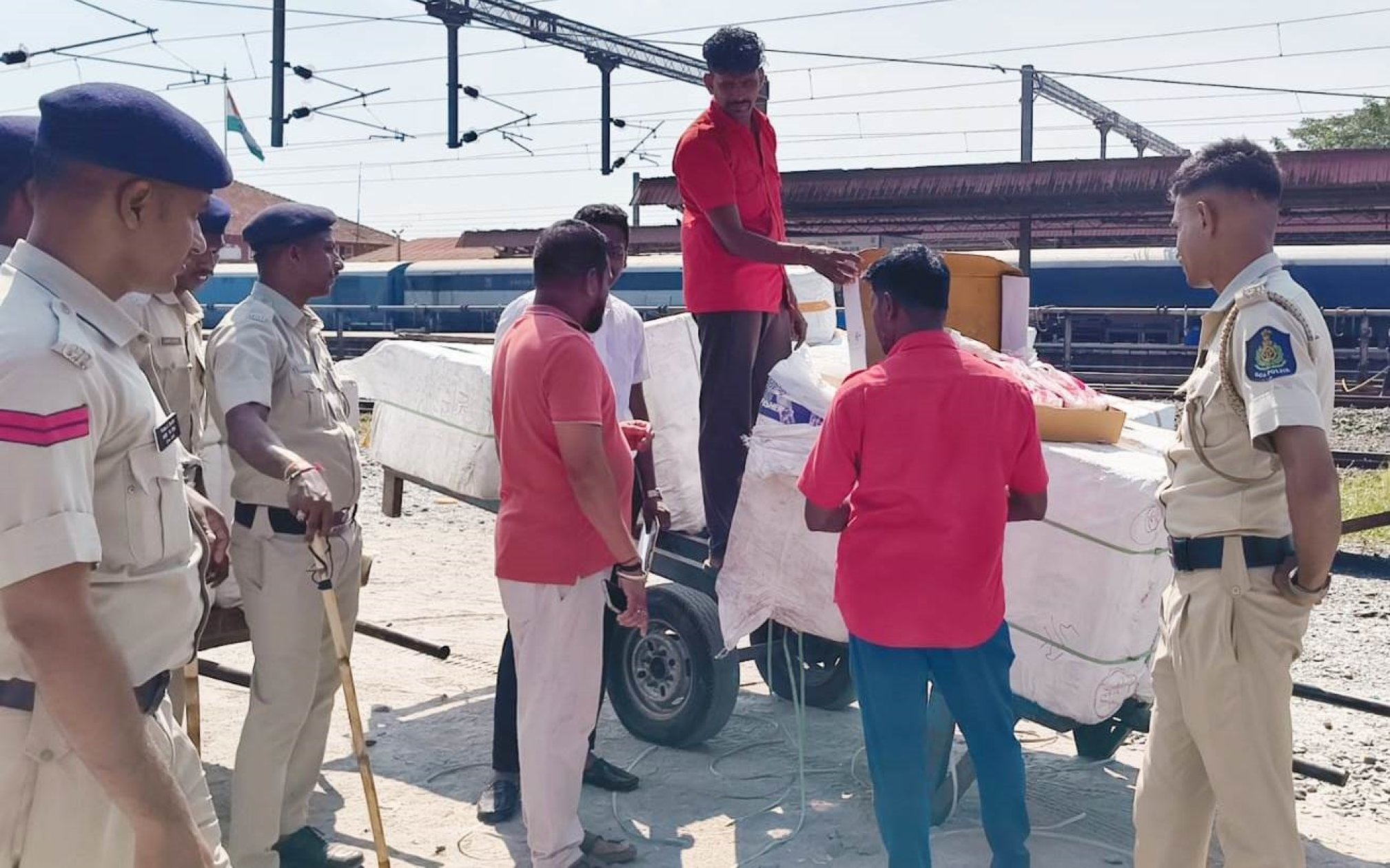
The recent FDA inspections along the coastal belt, during which chicken being packed under unhygienic conditions was seized, have brought these concerns into sharper focus. The issue is no longer restricted to whether a particular outlet maintains cleanliness. It extends to the conditions in which meat is sourced, transported, stored and eventually handled before reaching consumers.
Tourist season, supply pressure
The dependence on a limited number of suppliers also exposes coastal establishments to seasonal fluctuations in availability and prices. One shack owner said that during the peak tourism season, particularly around Christmas, orders for chicken increase substantially, but supplies do not always keep pace with demand.
Shacks generally prefer to remain with their regular suppliers. However, when these vendors run out of stock, establishments are forced to approach alternative suppliers, who may charge considerably higher rates.
He cited instances when the price could rise from around Rs 250 to Rs 350 per kg for buyers who were not regular customers of an alternative supplier. The arrangement, he said, leaves smaller establishments with little bargaining power when demand rises and supplies tighten.
This also raises questions about the extent to which Goa's coastal hospitality sector depends on a concentrated network of poultry distributors and whether adequate arrangements exist to ensure consistent supplies during the tourist season.
Who is monitoring the journey?
The questions surrounding poultry sourcing and transportation assume significance in the wake of the FDA's recent enforcement action along the coast. While the FDA is responsible for ensuring food safety, hygiene and compliance with prescribed storage and transportation requirements, the wider supply chain involves poultry farmers, processors, distributors and retailers.
The authorities need to establish whether suppliers maintain proper records of the origin of poultry, whether frozen chicken is transported in suitable refrigerated vehicles and whether receiving establishments have adequate cold-storage facilities. Equally important is the distinction between locally registered poultry businesses and actual local production. If birds are brought from outside Goa and subsequently held at local farms, the production and traceability records should establish their true origin.
For consumers, the concern is straightforward: the chicken served at a restaurant or beach shack should be safe, irrespective of whether it comes from Goa, Karnataka or Maharashtra.
GOA’S CHICKEN TRAIL: FROM FARM TO FORK
PANAJIWhen Health Minister Vishwajit Rane announced that the Food and Drugs Administration (FDA) had seized and ordered the destruction of over 6,000 kilograms of raw chicken deemed unfit for human consumption, it sent shockwaves in the State.For many, the bigger question was not the action of seizing such a large quantity of raw chicken but everything about what was not seized, sold and consumed.Where does the chicken sold in Goa actually come from? How much of it is…