MAPUSA
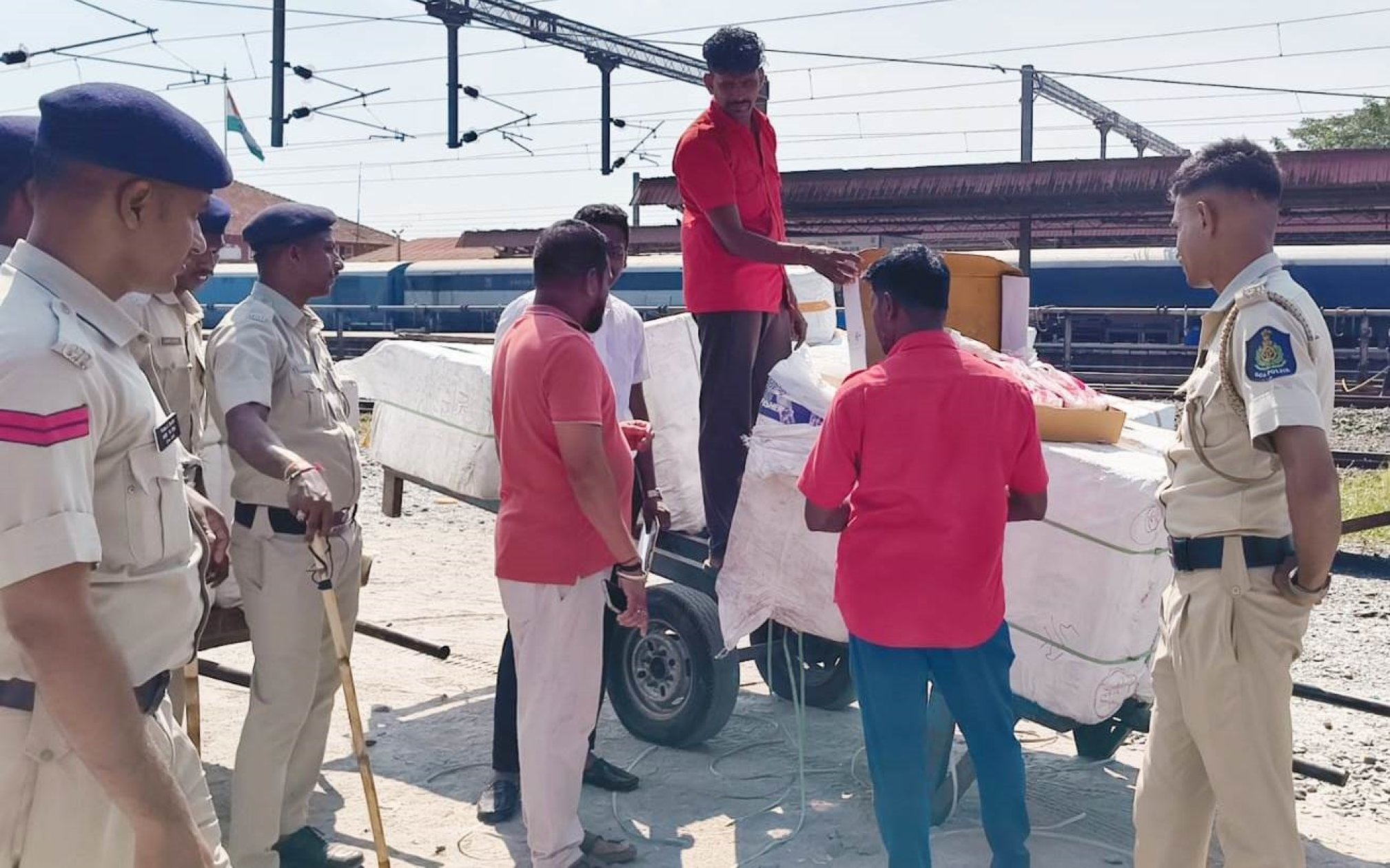
The recent FDA crackdown on unhygienichandling and packing of chicken meat at outlets along Goa's coastal belt hasbrought renewed attention to the conditions under which meat is processed,stored and sold in the State.
But beyond the immediate food-safetyviolations lies a larger question: How effectively are the establishmentssupplying this meat being regulated, particularly the numerous small andunorganised operators spread across the State?
The Goa State Pollution Control Board (GSPCB)has 14 meat-related units registered with it, including Goa Meat Complex andRoyal Chicken, with nine of these located in South Goa. While the Boardmaintains that it conducts inspections and acts on complaints, the relativelysmall number of registered units raises questions about the regulatory coverageof the wider meat trade, particularly smaller slaughtering establishments andpoultry outlets operating in local markets.
GSPCB Chairman Pradip Sarmokadam said theBoard conducts inspections of registered establishments and also responds tocomplaints regarding violations of environmental norms. “We take inspectionsseriously. Our officials conduct regular inspections, apart from carrying outinspections whenever complaints are received,” he said.
The Board's jurisdiction covers the managementand disposal of solid and liquid waste generated by such facilities, includingany discharge that could cause environmental pollution. It also checks whetherestablishments have obtained the requisite consent to operate.
Sarmokadam said the Board had issuedshow-cause notices and imposed penalties in the past, besides recoveringenvironmental compensation wherever necessary. Establishments operating withoutthe required consent could face closure, he said.
Regulatory oversight?
However, the question is whether thisregulatory framework adequately covers the entire meat supply chain or islargely confined to establishments that have come forward for registration.
Goa's meat trade is not limited to a handfulof organised processing units. Small chicken shops, market stalls and localvendors also form a substantial part of the retail network. At several suchoutlets, questions surrounding the manner in which birds are slaughtered, meatis handled, wastewater is drained and poultry remains are disposed of warrantcloser scrutiny.
While unhygienic handling and storage of meatare primarily matters for the FDA, the environmental consequences ofslaughtering and processing activities cannot be overlooked. Blood, feathers,wastewater and other organic waste, if allowed to enter open drains or dumpedindiscriminately, can create serious sanitation and pollution problems.
This also raises a question about thedistinction between a registered meat-processing unit and a small retailer whomay be slaughtering birds on the premises. Does the latter require GSPCBconsent? Are such establishments covered under the Board's inspectionmechanism, or do they fall outside its monitoring network because of their sizeand nature of operations?
While the FDA checks whether meat is handled,packed and stored under hygienic conditions, GSPCB is responsible for ensuringthat the waste generated during slaughtering and processing does not become anenvironmental hazard. The local bodies, meanwhile, have a role in maintainingsanitation and regulating waste management within their jurisdictions.
With the tourist season underway and chickenconsumption expected to rise, the issue goes beyond the hygiene of individualoutlets. The crucial question, therefore, is not merely how many meat-relatedunits are registered with GSPCB, but how many are actually operating, how manyare being inspected and whether the smaller establishments that form part ofGoa's everyday meat trade are receiving adequate regulatory attention.