TEAM AUTO | THE GOAN
We spend most of the year judging cars by horsepower, mileage, boot space, ground clearance and the size of the touchscreen. During Ganesh Chaturthi, however, a car gets a rather different job description.
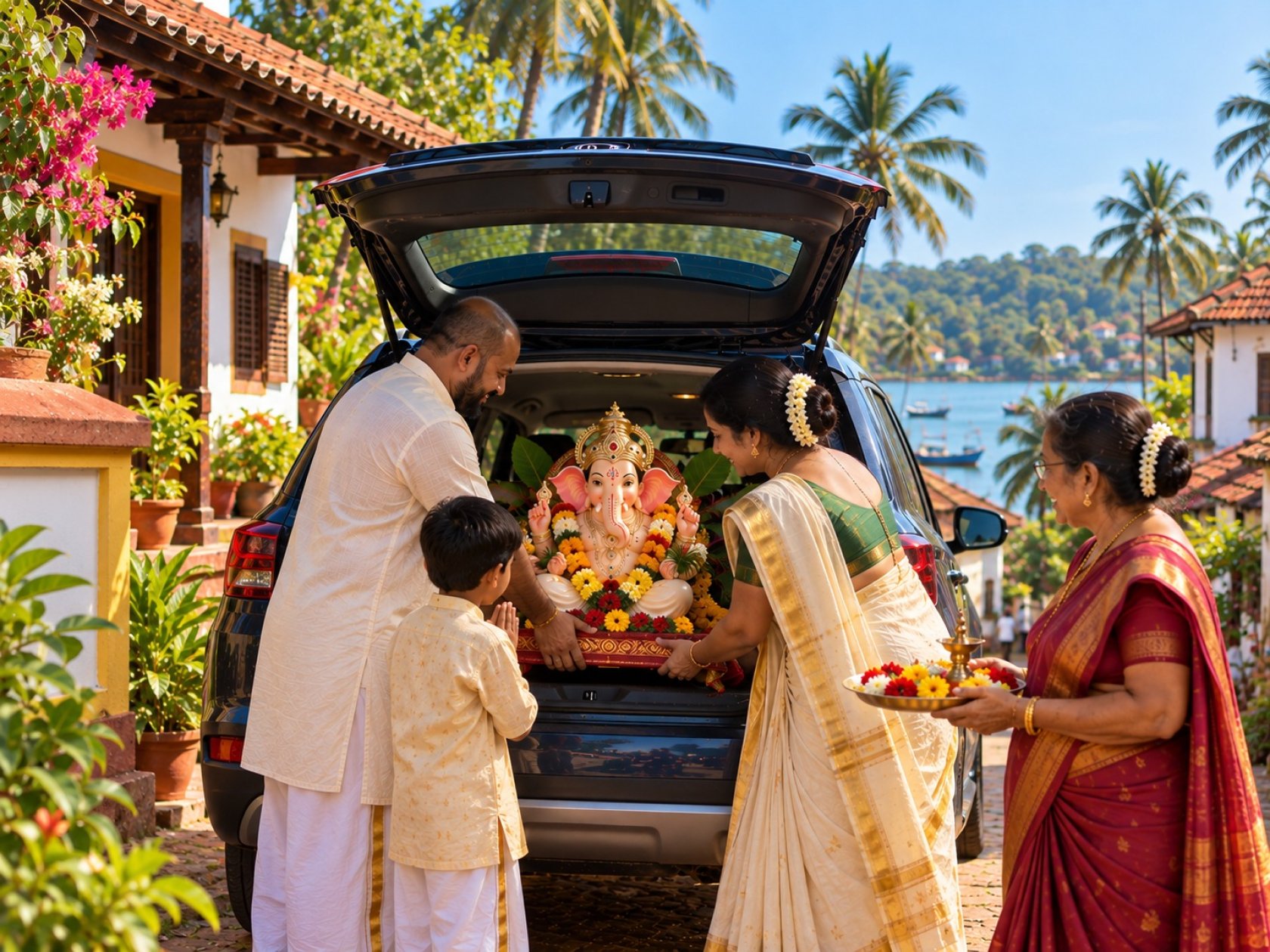
It has to bring Bappa home.
And suddenly, the car is no longer just a machine that takes us from one place to another. For those few days, it becomes part of the family.
A special journey
Before the journey begins, the car gets an unusually thorough cleaning. The dashboard is wiped, the seats are checked, the floor mats are given a once-over. Someone makes sure there is enough space. Someone else worries about whether the idol will fit comfortably. Flowers appear. A garland might find its way around the front. The otherwise ordinary car begins to look a little different.
And then comes the drive.
You become more careful than usual. Speed breakers are approached as if they are mountain passes. Potholes suddenly look enormous. Sharp turns are taken gently. Someone in the car is inevitably keeping an eye on the idol, while someone else is giving the driver instructions that were never part of the driving lesson: “Slow down.” “Careful.” “There's a pothole.”
Nobody is in a hurry.
Journey matters
Perhaps that's one of the nicest things about this journey. We spend so much of our driving lives trying to get somewhere faster. But when Bappa is in the car, the destination isn't the only thing that matters. The journey itself becomes part of the occasion.
It also makes you think about how cars have changed alongside the festival.
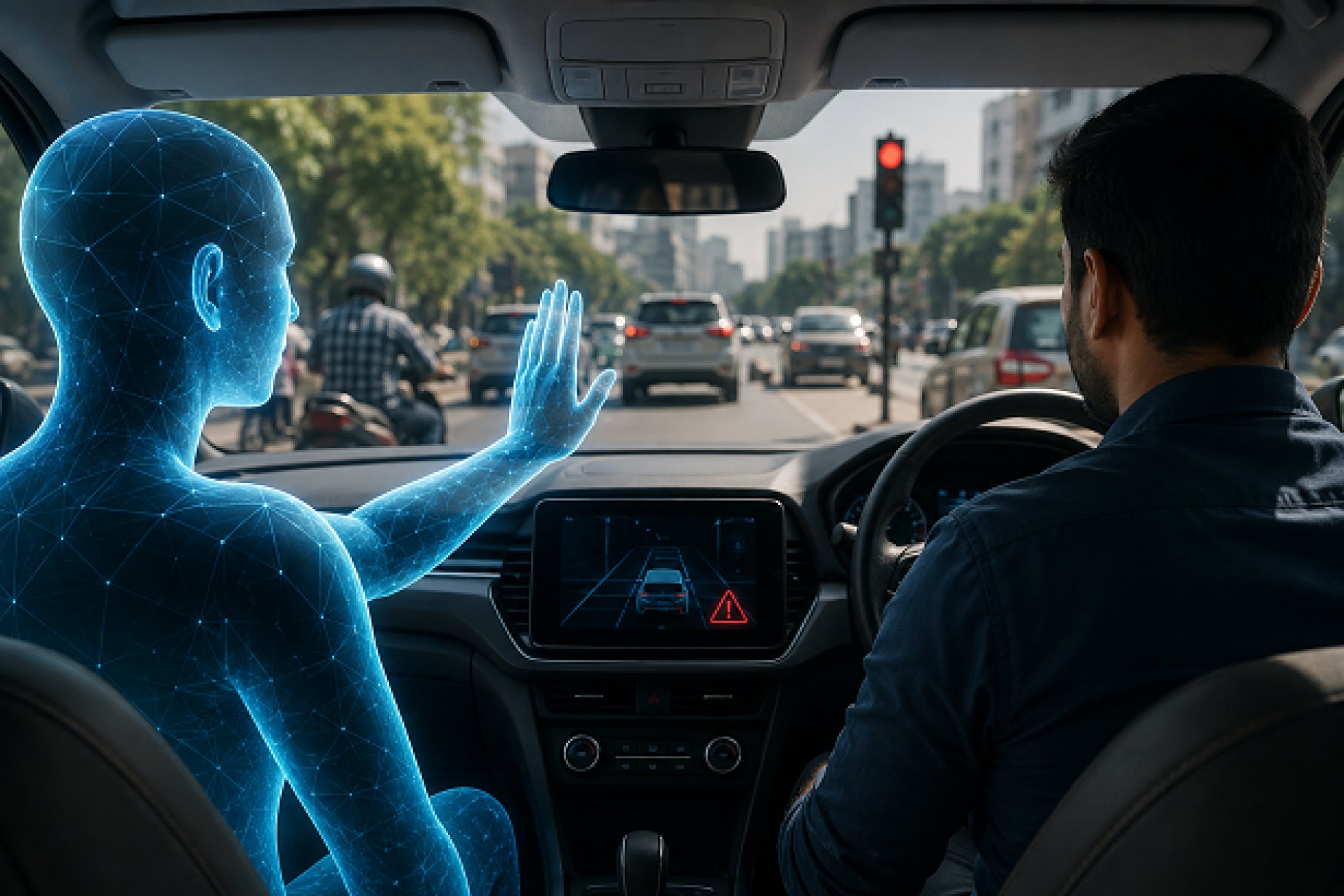
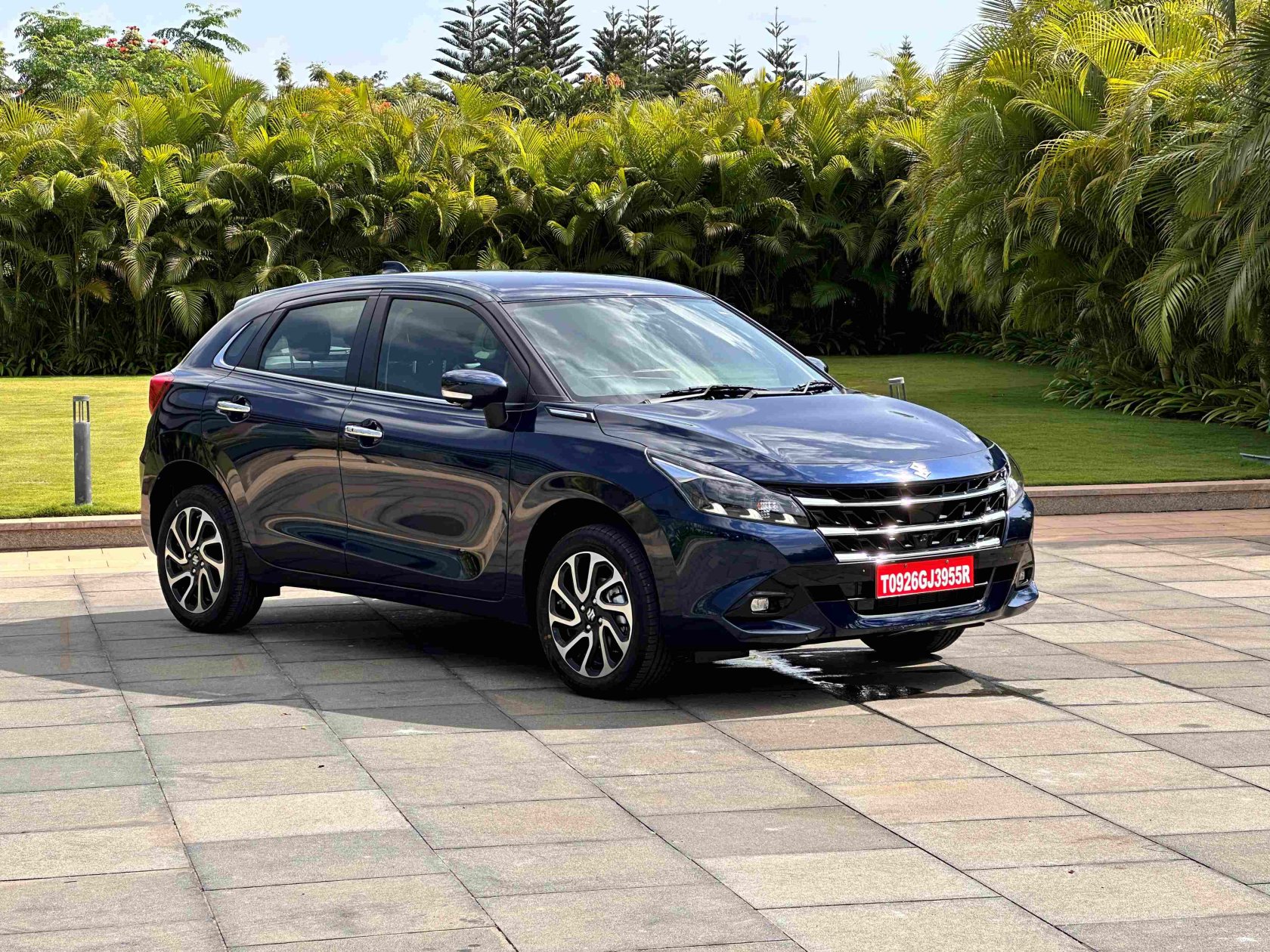
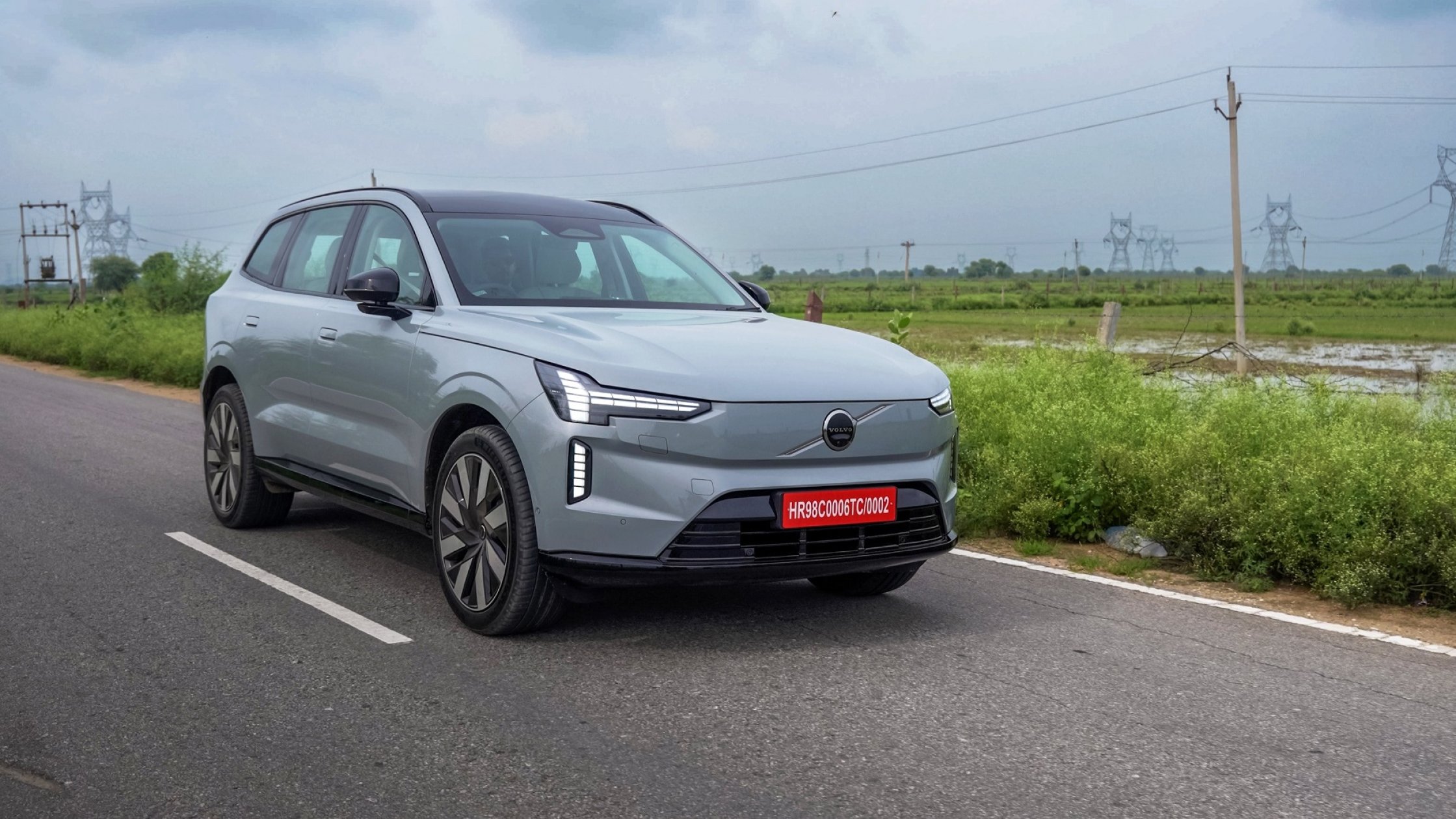
For one generation, Ganpati may have travelled home in an Ambassador or a Premier Padmini. Later came the Maruti 800, Zen, Esteem and a succession of hatchbacks and sedans. Today, it is increasingly likely to be an SUV or an MPV, with a bigger cabin, a larger boot and enough electronic assistance to make the journey considerably easier.
The cars have changed. The ritual hasn't.
The practical test
And perhaps there is no better real-world test of a car's practicality than Ganesh Chaturthi.
Manufacturers love quoting boot capacity in litres. They tell us about split-folding rear seats, sliding second rows and clever storage spaces. But during Ganesh Chaturthi, boot space stops being a number in a brochure. It becomes a very simple question: can the car comfortably accommodate everything the family needs while making room for Bappa?
Ground clearance suddenly matters for reasons beyond the usual marketing pitch. Cabin space matters because there are more people, more flowers and more things to carry. Easy access matters. A car that is usually judged on how quickly it accelerates is now being appreciated for how gently it can be driven.
Even the humble two-wheeler gets its own role. For some families, it is the quick scout ahead, the vehicle that finds a route through traffic or carries someone who needs to get somewhere in a hurry. During the festival, our vehicles become less about individual convenience and more about making the whole family operation work.
The other journey
And then, of course, comes the other journey: Visarjan.
The mood changes. The car that brought Bappa home now becomes part of the farewell. There may be flowers still lying around, traces of the celebrations inside the cabin and perhaps a little more silence than there was a few days earlier.
That is when you realise something rather interesting about our relationship with cars.
We often talk about automobiles as objects. Machines. Products. Consumer purchases. We compare them, review them, argue about them and sometimes become unnecessarily attached to them.
But festivals reveal another side.
More than machines
A car becomes the place where grandparents sit, children fall asleep, families argue about directions, friends squeeze into the back seat and everyone sings on the way home. It carries shopping, luggage, memories and, once a year, Bappa.
Those journeys stay with us long after the car itself is gone.
Perhaps that's why someone can remember the exact car their family owned decades ago without remembering its engine specification or fuel economy. They remember it because it was there.
It was there when the family brought Ganpati home.
It was there when everyone piled in for darshan.
It was there on the way to visarjan.
And for a few days every year, it wasn't really just a car.
It was part of the family.
The final drive
So as Ganesh Chaturthi approaches, perhaps the best way to look at our cars isn't through their horsepower figures or feature lists. Give them a wash. Check the tyres. Make sure everything is in order.
Because the most important journey your car makes this year may not be your daily commute or your weekend highway run.
It might simply be the journey that brings Bappa home.