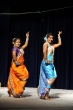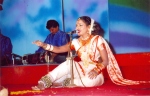
The tamasha is introuble. In fact, Maharashtra’s best known cultural icon, thetamasha, which comprises song, dance and skits by women wearing thetraditional nine-yard sarees, has been going through a downwardspiral since many years. Now, however, it’s finding itself on thebrink of a gradual fade-out with troupe owners unable to find womendancers who would like to continue the lineage passed on by theirmothers and grandmothers.
“There are severalfactors that have led to this state of affairs. For one thing, thecompensation remains very poor with women dancers offered just aboutRs 500-700 per day. Secondly, the lodging and boarding arrangementswhen they travel from one place to another remain pathetic. Mostimportantly, these women find themselves at the bottom of the socialstatus and are unable to get married,” explains Majidbhai Tamble,owner of the Arya Bhushan Tamasha Theatre in Pune.
The tamasha started offduring the days of the Peshwas as a form of folk art in Maharashtraand its various components, including the ‘lavani’ dance, was amix of providing entertainment to the rural folk as alsocommunicating messages of social importance. Over the years, it hasturned into a risqué form and most of the dances are to the tunes ofhit Marathi or Hindi film songs with the postures of the womenturning sexually provocative to lure the audience. The 50,000 or sotamasha artistes, both men and women, who belong to the 42 knowntamasha groups in Maharashtra, cannot be blamed for thistransformation. It has been the need of the hour.
Given the way in whicheven rural India has changed, the tamasha dancers are now looking forbetter options. Today’s lavani dancers, in particular, are not tookeen on letting their daughters continue in this profession. “Ihave been unable to find a groom for my 25-year-old daughter becauseof the bad image that the tamasha has been branded with over the pastso many years,” laments Shalinibai Kolhapurkar, a tamasha artistewho has never known of any other life than that of the tamasha.
Efforts are, however,being made by certain lavani artistes like Madhu Kambikar, SurekhaPunekar and others to bring back the sheen and polish of the lavaniduring its heyday. “There are lavani shows held in cities that areperformed in air-conditioned auditoriums with lavish sets andcostumes along with a fine selection of songs. It is an attempt tomake people understand the finer nuances of this folk art and banishthe assumption that the tamasha or the lavani is indecorous or ribaldin any manner whatsoever,” informs Tambe. Will that be enough toattract a new generation of dancers? “I doubt it,” Punekar says.