
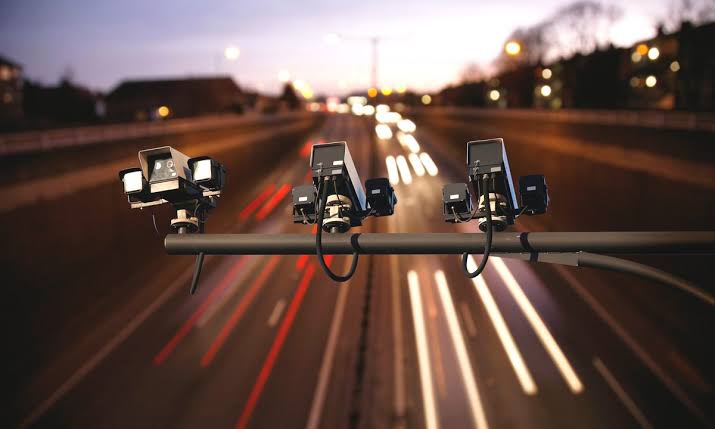
The news that South Goa is gearing up for a technological traffic upgrade with Artificial Intelligence-based traffic signals slated for 86 locations across major junctions comes as a major relief for commuters and local authorities battling chronic traffic congestion and road safety concerns.
According to news reports, the AI-systems are undergoing a 2-3-week trial run to collect and analyze baseline traffic data.
The signals are built with machine learning capabilities to process vehicle volume and optimize green light durations, significantly cutting down on wait-times at major choke points.
The system will automatically adjust to real-time traffic conditions to ease congestion and will also detect violations to automatically issue e-challans to offenders.
The cameras monitor for infractions like overspeeding, not wearing seat-belts, and illegal tinted-glass. They generate automated e-challans that are mailed directly to the registered vehicle owner’s address.
Reports also speak of state authorities having identified an additional 26 priority locations for AI traffic cameras, which are set to go live across Goa on July 1.
However, fresh reports that the highly-publicized AI-based traffic enforcement programme has suffered a second postponement in three months, with authorities pushing back its launch yet again despite repeated assurances that the system was ready to go alive.
The project, which had already missed its original February-end deadline before being rescheduled for June, will now be enforced from July 1, making a third target date for a scheme that has become one of the government’s most closely watched road safety initiatives.
The Transport Minister attributed the latest delay to the need for a public awareness campaign, stating that citizens should be given time to understand how the technology-driven enforcement mechanism would function before penalties began to be issued. How considerate!
The automated AI monitoring infrastructure promises smarter traffic flow and a major reduction in violations.
It is however the ‘hesitancy’ preceding such traffic control reforms which reflects the insincerity in following up with such grand ideas that has been the administration’s undoing.
Of course, major reformational experiments are rarely instantaneous bursts. But the dilly-dallying here echoes the friction between implementing new, potentially volatile technologies, and maintaining safe, predictable operations.
The successful implementation of the Intelligent Traffic Management System (ITMS) hinges on bridging the gap between policy intention and ground-level execution. True sincerity in curbing accident rates and unmanaged bottlenecks requires shifting from mere surveillance to a responsive, holistic, and transparent ecosystem.
The shelving of well-intended traffic plans by authorities even before they are given sufficient time to yield data or alter motorist behaviour frequently stems from immediate political pressure, vocal public backlash, or poorly managed implementation during the initial rollout.
However, abandoning such projects will only lead to reverting to inefficient older systems and sacrificing long-term congestion or safety benefits.
For a state that has historically struggled to keep up with its soaring vehicle density and tourism boom often resulting in severe vehicular congestion, it has often been the glaring traffic mismanagement which has miserably failed to untangle daily commutes and protect road users.
Urban traffic chaos triggers a severe psychological toll on citizens. Prolonged exposure to congestion and gridlock leads to cognitive overload, heightened frustration, and chronic stress.
While it is necessary to educate the public on the nuances of safe driving, efforts towards such initiatives have hardly met with any success.
Road safety drives conducted by the traffic cell and transport authorities have only served to be ‘commemorative’ affairs with the penalty imposed for traffic infringements obscuring any intentions of bringing about awareness.
“The ‘education’ pillar of traffic management is often eclipsed by heavy ‘enforcement’, turning awareness initiatives into mere photo-ops.”
The shift from symbolic compliance to actual safety requires systemic changes across several pillars. Instead of isolated annual ‘Road Safety Weeks’, authorities and traffic cells must weave continuous education into the community.
Heavy penalties often cause resentment rather than compliance, as the root causes of bad driving habits go unaddressed.
But always blaming the government for the misconceptions in planning is a favourite pastime that we have indulged in for ages now. Pointing fingers at the government for delayed projects or their ineffectiveness is a deeply ingrained cultural habit in us.
Aggressive driving and road rage are increasingly common on Goan roads, with issues like overspeeding, wrong-side overtaking, and tourist-versus-local altercation frequently leading to dangerous traffic situations.
Practicing proper road etiquette is essential for reducing stress, preventing road rage, and ensuring everyone's safety.
Many famous tourist locations struggle with unruly, chaotic traffic and congestion. Goa has been no different!
The coastal state is notoriously challenged by a massive vehicle-to-population ratio. The combination of narrow roads, a massive influx of tourists, and unpredictable driving habits often make navigating the state incredibly frustrating. The ‘me first’ driving culture, combined with poor lane discipline, creates immense chaos.
No doubt, the shift toward AI-driven traffic management offers several distinct advantages over traditional manual enforcement. However, it faces a heated debate centered on privacy infringement, algorithmic bias, and the erosion of human discretion.
While systems promise improved safety and reduced congestion, relying on continuous surveillance sparks significant ethical and regulatory pushback. It is presumed that AI surveillance can significantly improve traffic flow, safety, and compliance in Goa.
Yet, despite the looming ‘threat’ of heavy penalties by way of traffic violations in the wake of the introduction of the AI-driven traffic enforcement in the state, many commuters in Goa remain largely unbothered, often attributing this to scepticism over technical reliability and a track record of delayed or confusing AI traffic rollouts.
Will the government prove the sceptics wrong this once!