


PANAJI
Cardinal Filipe Neri Ferrão, president of the Federation of Asian Bishops’ Conferences (FABC) and Archbishop of Goa and Daman, on Thursday highlighted the changing realities, resilience and challenges of families in India and across Asia.
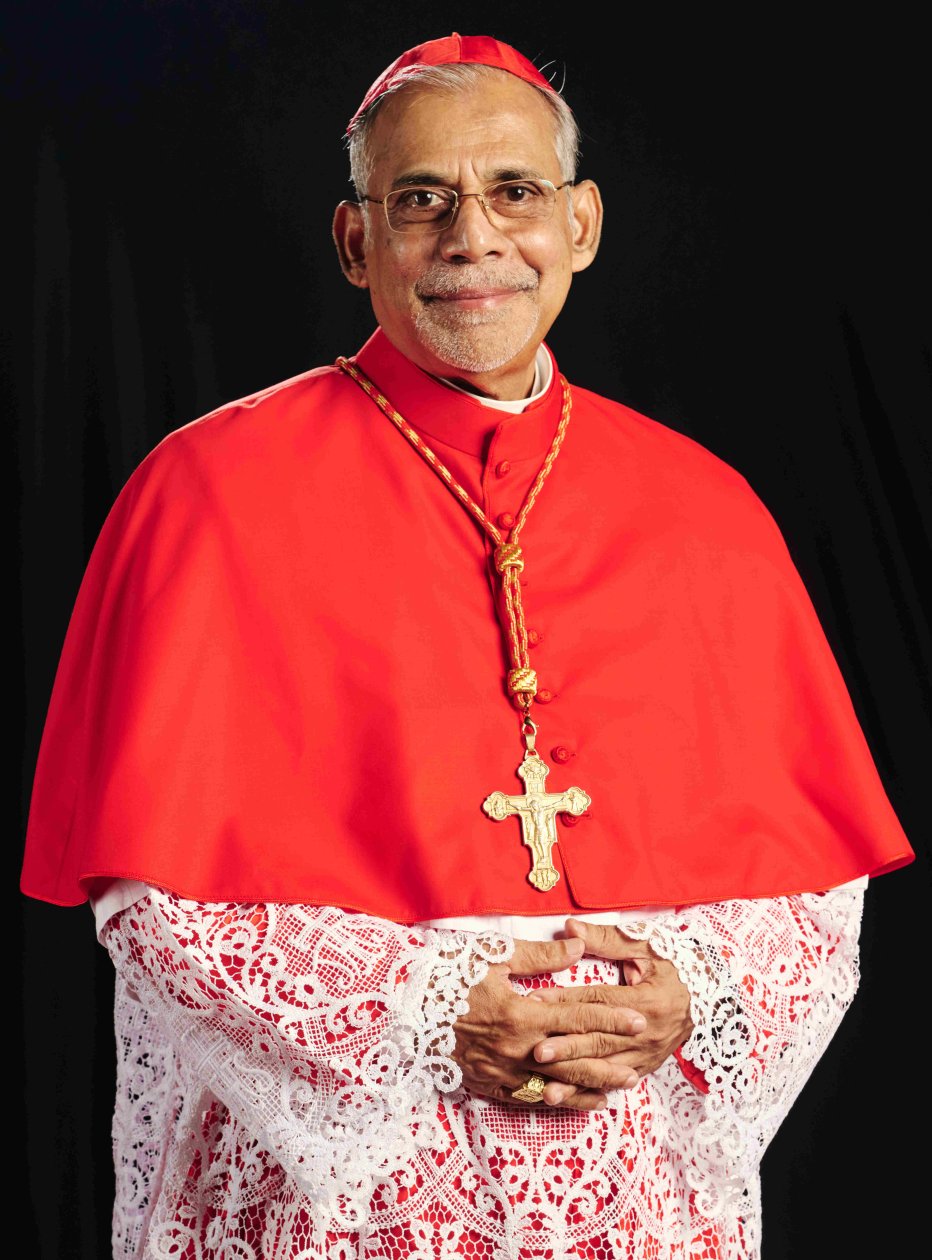 He was addressing the theme “Families today: reality, beauty and challenges. Discerning the signs of the times through the experience of families and the Church’s pastoral commitment today” on the second day of Pope Leo XIV's meeting with the heads of the Eastern Churches and the presidents of the Bishops’ Conferences in the Vatican, to mark the 10th anniversary of the Papal Exhortation Amoris Laetitia.
Cardinal Ferrão noted that while families remain the foundational cell of the domestic Church in India and across Asia, family life is undergoing profound and radical transitions.
Outlining three major societal shifts, Cardinal Ferrão – who also heads the Conference of Catholic Bishops of India (CCBI) – said the first shift lies in the identity, nature and composition of the family.
“Traditional joint and extended families are increasingly giving way to smaller, nuclear households. New forms of partnership and cohabitation are emerging, amid changing understandings of gender and relationships in urban settings. The growing reality of interfaith marriages in our multi-religious societies raises new questions about the practice and transmission of faith within the family,” said Cardinal Ferrão.
The second shift, noted the cardinal, is the shift from rootedness to mobility.
“Rapid urbanisation, economic growth, and greater access to education are prompting more people to move, both within their countries and across borders, in search of better opportunities. As a result, many families entrusted to our pastoral care are no longer households connected to a single parish,” he said.
Cardinal Ferrão said the third shift lies in the existential conditions of families.
“India and Asia share a common paradox: growth is rapid, but unequal; opportunities are expanding, but access to them remains discriminatory. Economic insecurity, poverty, unemployment and uncertainty about the future weigh heavily on many families,” he said.
“Christian families in many parts of India and Asia must also live amid growing religious polarisation and hostility, making public expression and transmission of faith increasingly difficult.”
The cardinal, however, stated that shifts in identity, mobility, and existential conditions have also uncovered the beauty of grace at work in the ordinary.
He highlighted the beauty of relationships, as seen in the care offered to children, the elderly, the infirm and the vulnerable; the beauty of resilience and hope, where families continue to create positive spaces for joy and hope, even amid poverty, migration and uncertainty; and the beauty of dialogue, where families constantly encounter new avenues and new experiences of dialogue amid religious and cultural diversity.
Cardinal Ferrão said pastoral work is itself a place of discernment together with families, indicating that the Church herself is being asked to change.
Calling for a paradigm shift in Church ministry, Cardinal Ferrão urged a move "from mission to families to mission among families."
“We can't guide people by standing far off and pointing at the destination. We need to be a lighthouse and a streetlight: one shows the horizon, the other lights the next step and walks alongside. Families are not just receivers of care. They are the Church’s partners in mission,” the cardinal said.


