PANAJI
In a move that could offer hope to persons with disability but unaware of it, the Goa State Commission for Protection of Child Rights (GSCPCR) has recommended strengthening at the school level services which involve screening of children from birth to 18 years of age for defects at birth, diseases, deficiencies and development delays.
At a conclave held recently which brought together stakeholders and institutions which provide residential care for children with disabilities, it was recommended that RBSK - Rashtriya Bal Swasthya Karyakram services which encompass screening of children in the 0-18 year age group need to be strengthened.
Directorate of Education, District Early Intervention Centres at the District Hospital and Institute of Psychiatry and Human Behaviour were directed to establish a protocol for coordination and collaboration, a statement issued by the GSCPCR said.
During the deliberations, a severe lack of coordination between authorities providing diagnosis, treatment and rehabilitation services for children with disabilities came to the fore leading to poor services in terms of education, it said.
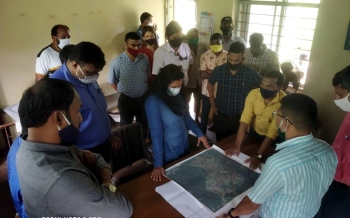
The conclave was part of the effort of the commission to ensure decisive care and support for children with disabilities and was held in the capital city earlier this week. It was also attended by HR managers of corporates who provide support for institutions through corporate social responsibility and placement services for persons with disability.
At the conclave, GSCPCR chairperson Peter Borges stressed the need to unlock synergies between agencies to ensure services to children and strengthen early intervention services.
He said children with disabilities are treated as children in need of care and protection under the Juvenile Justice Act and pointed out that lower rates of education, poorer health and limited participation in the labour market and society meant that children with disabilities are more likely to experience chronic poverty and social exclusion throughout their lives.
The meeting identified several issues which needed collaboration and coordination such as children with disabilities still not able to access DSS, Priority Household (PHH) cards (access to food security), including the issuance of disability certificates, aids and assistive devices.
The Civil Supplies & Consumer Affairs and social welfare departments besides the Directorate of Education and Provedoria were directed to ensure coordination and ensure cent per-cent access to social protection services.