


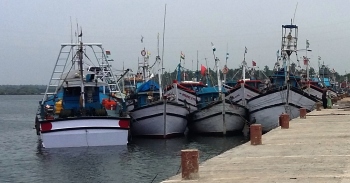
 The Cutbona fishing jetty
MARGAO
After over half-a-decade delay, hopes of government finally fixing the sanitation issues plaguing the Cutbona fishing jetty, South Goa’s major fishing hub, are taking shape.
Following a request from the Fisheries Department, the Goa Tourism Development Corporation has floated a tender inviting eligible contractors to submit bids for the construction of plinth and supply and installation of Sewage Treatment Plant (STP) at the Cutbona fishing jetty.
Inquiries by ‘The Goan’ have revealed that the GTDC will take up the STP project at the Cutbona fishing jetty for the Fisheries Department. The GTDC will also install toilets at the Cutbona jetty as part of the project.
“Let the bidders place their bids for the project and we will come to know the exact cost of the project”, a GTDC official said, adding that the project may cost the exchequer around Rs 40 lakh.
It’s now over half-a-decade since the Fisheries Department had proposed setting up of a 50-seater toilet block through the Sulabh agency. The project, however, had failed to take off for a host of reasons, including issues relating to TCP and the absence of STP at the Cutbona jetty.
The recent inspection of the Cutbona fishing jetty by Margao Sub-divisional Magistrate Jyoti Kumari along with Velim Sarpanch Savio D’Silva, Health, Fisheries and Sulabh officials, besides activists Roland Martins and others seemed have prompted the Fisheries Department to tone up the sanitation arrangement at the jetty.
In the past, the Health and Fisheries departments had passed the buck on each other for the delay in getting the 50-seater toilet block constructed at the jetty. Promises by the Fisheries Department to get the fisheries societies and boat owners on board to fund the mobile and eco toilets had also remained only on paper.
The Cutbona fishing jetty plays host to over 4000 migrant labourers, employed as crew on fishing vessels operating from the Cutbona fishing jetty.
A lone Sulabh toilet block and two eco-toilets presently exist at the Cutbona fisheries complex, with majority of the labourers answering nature’s call in the adjoining fields or on the banks of River Sal.


