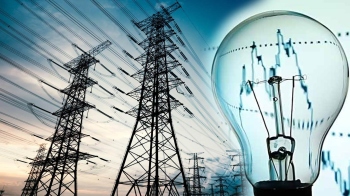
Panaji: Goa Chamber of Commerce & Industry (GCCI) has voiced serious concerns about the recent increase in power tariffs across all sectors. This hike, recommended by the Joint Electricity Regulatory Commission (JERC), is expected to significantly affect various industries in Goa, including industrial, hospitality, agriculture, and related activities.
The Opposition has also questioned the hike and the government's silence on the issue, with many Goans expressing their displeasure over the tariff increase.
During a public hearing conducted by JERC before the tariff increase, GCCI proposed several alternative measures to generate additional revenue without burdening consumers. These suggestions included:
1. Reducing Power Transmission Losses: Implementing measures to minimize transmission losses to improve efficiency and lower costs.
2. Reverting to KWH-Based Billing: Switching back from the current KVAH-based billing system to a KWH-based system to make billing simpler and more cost-effective for consumers.
3. Identifying High Distribution Loss Areas: Focusing on areas with high distribution losses and peak load restrictions to take corrective actions benefiting both consumers and the electricity department.
GCCI also highlighted the need to improve the quality and reliability of power supply, noting that current standards are lower than those in major Indian cities. To address this, they suggested installing automated sectionalizers to enhance power distribution efficiency.
Additionally, GCCI recommended forming minigrids with Battery Energy Storage Systems (BESS) and using waste heat recovery generating stations at Amona to improve the reliability and quality of power supply in the region.
To tackle Goa's peak power shortage, GCCI urged JERC to direct the Electricity Department to explore alternatives like pumped hydroelectric generation, BESS, and open tenders for peak power procurement. According to GCCI, these measures would help alleviate the peak power problem and ensure a stable electricity supply.
Despite repeated requests, GCCI highlighted that no district committee has been formed to review the quality of power supply, leading to continued dissatisfaction among consumers.
The increased electricity tariffs make it challenging for local industries to compete with those in other states, where industrial tariffs are lower. This disparity poses a significant threat to the competitiveness and sustainability of Goan industries in the manufacturing sector.
GCCI remains committed to working with JERC and the Electricity Department to find balanced solutions that will ensure both the financial health of the power sector and the economic vitality of Goa’s industries.