PANAJI
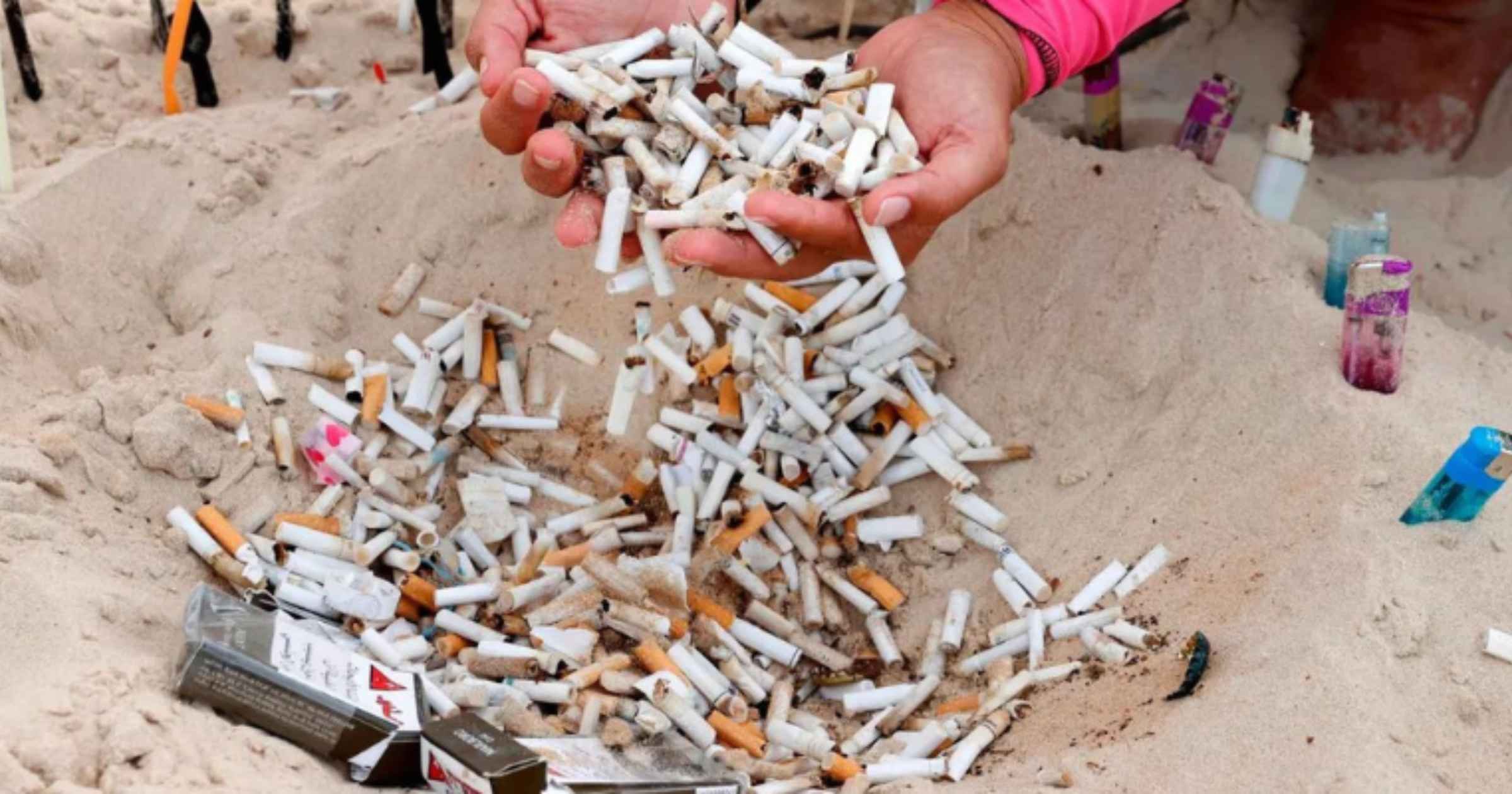
Goa’s most frequented beaches are accumulating a form of pollution that is easy to miss but hard to ignore. Discarded cigarette butts are building up in the sand, leaving behind persistent plastic waste that can leach toxic substances into the coastal environment.
A study by researchers at the CSIR-National Institute of Oceanography (NIO), Goa, found 758 cigarette butts at eight tourist-populated beaches. The research recorded an average density of 3.15 butts per sq m during surveys conducted at high, mid, and low tides.
The burden was most pronounced on some of the busiest and overcrowded beaches, with Baga topping the list at 5.77 cigarette butts per sq m, followed by Calangute at 5.60 and Arambol at 4.97. The concentration across the beaches also pointed to an alarming correlation: the greater the tourist footfall, the heavier the trail of cigarette-butt litter left behind.
“Researchers have recorded a very high number of cigarette butts in popular beaches of Goa... the non-degradable waste material could release heavy metals into the coastal environment. The team at CSIR-NIO, Goa, which analysed the cigarette butts, found these could leach pollutants, posing a threat to both terrestrial and marine organisms and ecosystems,” the study, extracts accessed by The Goan, revealed.
The researchers assessed the extent of pollution using the Cigarette Butt Pollution Index (CBPI) and the Hazardous Items Index (HII). The CBPI classified all eight beaches as having severe cigarette-butt pollution, while HII values showed that tourist beaches were particularly vulnerable to heavy accumulation.
“To assess the pollution status, the scientists used the Cigarette Butt Pollution Index (CBPI), which indicates severe pollution on the beaches, made worse by the high influx of tourists,” it explained.
The scientists described that cigarette filters are made of cellulose acetate, a form of plastic that can persist in the environment and fragment into smaller particles. Once discarded, cigarette butts can release nicotine, hydrocarbons and metals into their surroundings, creating a potential pathway for contaminants to enter coastal ecosystems.
The NIO study also detected heavy metals in cigarette butts collected from the beaches. Although the concentrations were estimated to be within a low-to-moderate pollution-risk range, copper and zinc were found at comparatively higher levels.
The researchers cautioned that discarded filters can consequently become a source of pollutants in Goa’s coastal environment, with potential implications for both marine and terrestrial organisms.
“This study, to the best of our knowledge, is the first attempt to estimate the CB pollution and associated trace metal contamination along the Indian coast. The findings indicate a high prevalence of cigarette butts along the surveyed beaches,” the survey added.
The researchers said the findings emphasise the need for better management of tobacco waste, focused measures at beaches, greater public awareness and stricter enforcement of anti-littering rules to keep cigarette butts from piling up along Goa’s beaches.