MAPUSA
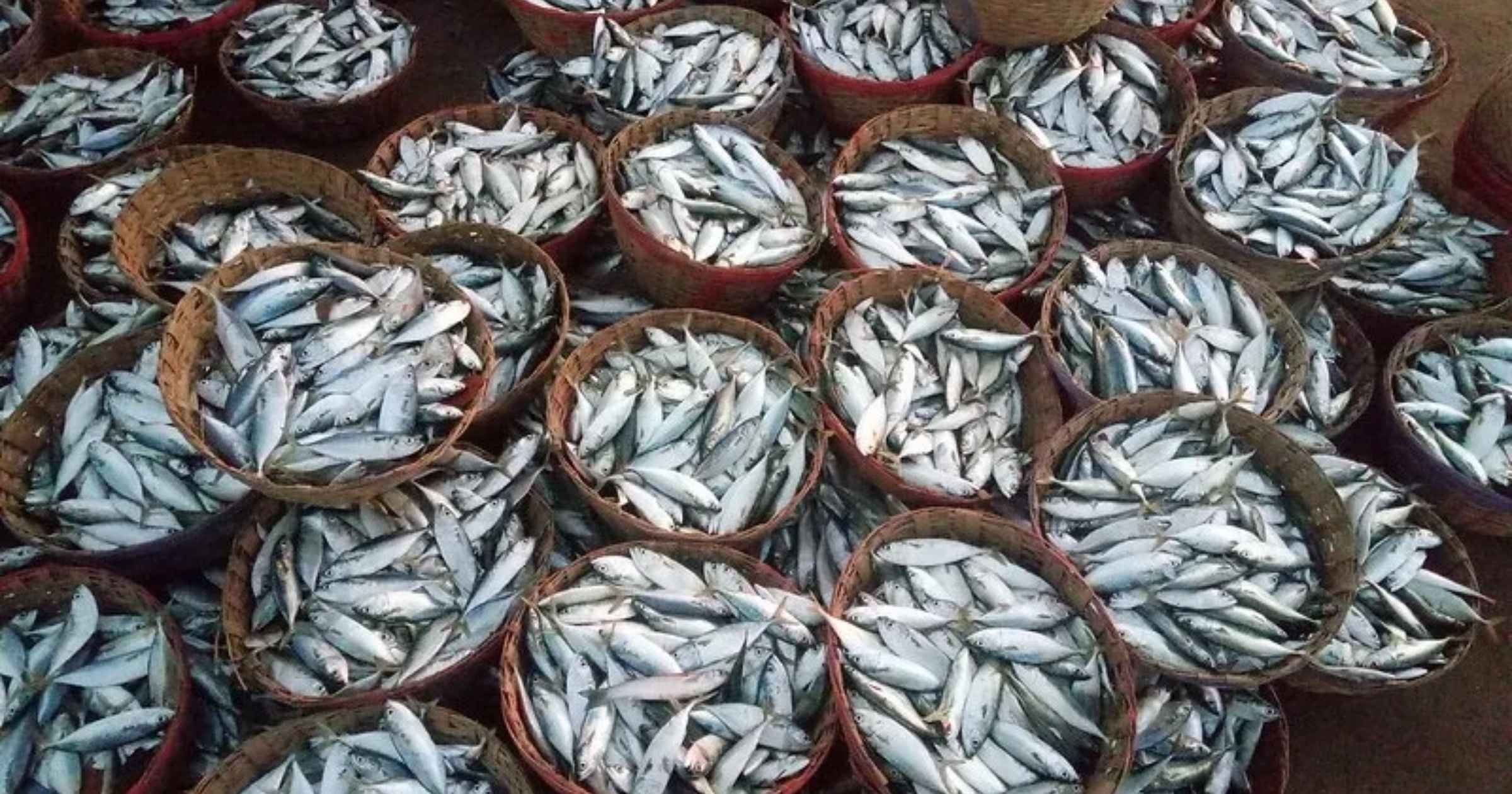
Fish may be a staple on the Goan dining table, but the government has admitted that it has no scientific assessment to establish whether the State’s fish stocks are actually healthy or sustainable.
In a striking disclosure during the recent three-day monsoon session of the Goa Legislative Assembly, Fisheries Minister Nilkanth Halarnkar said the government had conducted no scientific study, stock assessment or long-term monitoring programme during the last 10 years on fish stocks, breeding grounds, spawning seasons, marine biodiversity, climate change, ocean warming, pollution, microplastics or the impact of dredging and coastal development on fish resources in Goa’s territorial waters.
The admission comes even as the government maintains that there has been “no decline” in fish catch over the last 10 years.
The government’s response, however, provides no scientific stock assessment to substantiate that claim.
The absence of such a study assumes significance for Goa, where fish is not merely a commercial commodity but a staple food and an integral part of the State’s traditional coastal economy.
Concerns over declining fish availability, changing species composition, destructive fishing practices and increasing pressure on marine resources have been repeatedly raised by fishing communities.
On illegal fishing, the government said the Fisheries Department has a patrolling vessel and conducts regular patrols in territorial waters along with the Coastal Police. The Coast Guard is also requested to check illegal fishing. Officials patrol fish landing centres and major jetties, while a 24x7 control room and dedicated helpline have been provided to receive complaints.
The government has also admitted that no study has been undertaken to assess the effectiveness of the annual monsoon fishing ban in regenerating fish stocks, protecting breeding fish or safeguarding the livelihoods of traditional fishermen.
The ban applies to mechanised vessels using trawl and purse-seine nets, while registered traditional motorised canoes using gill nets and engines up to 10 HP are exempt.
At the same time, the government says it is pursuing a long-term strategy for sustainable fisheries through artificial reefs, aquaculture and Central schemes. Fourteen artificial reef units have been taken up under PMMSY at an estimated cost of Rs 4.3 crore.
The Centre has also issued 87 access passes to Goa-registered vessels for fishing in India’s Exclusive Economic Zone and two authorisations for fishing on the high seas. Transponders are being installed on mechanised and motorised fishing vessels for safety and security.
The disclosures leave a fundamental question hanging over Goa’s fish economy: if the government has not scientifically assessed the health of its fish stocks for a decade, how does it know that the fish catch is not declining?