


MARGAO
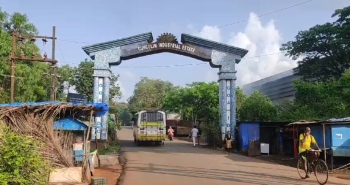
In a significant development in respect of the pollution at the Cuncolim Industrial Estate, the Goa State Pollution Control Board (GSPCB) has constituted a seven-member panel to conduct a Compressive Performance Evaluation and Audit of the fish meal plant operating at the industrial estate.
The audit comprising of verifying the effective implementation of the pollution control measures by the fish meal plant, including the discharge of treated water and odour control, besides emission. The panel has been given the liberty to consult any experts through video conferencing as part of the audit.
The panel has been set a deadline of 15 days to complete the comprehensive performance evaluation and audit and submit the report along with recommendations to the Board.
An order issued by GSPCB Chairman Levinson Martins has given a brief to the panel to make recommendations to the Pollution Control Board as per the terms of reference.
The development comes in the wake of the Cuncolim Municipal Council led by Chairperson Landry Mascarenhas submitting a resolution to the GSPCB to take immediate action on a complaint that the release of foul odour and waste material is causing air and water Pollution in the surrounding area thereby inconveniencing the residents and causing health hazard allegedly by the fish meal unit, Untied Marine.
Members of the panel includes Subrai P. Nadkarni, Retired Chief Engineer, Water Resources department, government of Goa, TAC Member GSPCB; Dr Munish Kumar Chandel, Prof. IIT, TAC Member, GSPCB; Dr Mohan Girap, Scientist GSPCB; Connie Fernandes Scientist GSPCB; Keshav Fadke, AEE, GSPCB; Edma P Sheth, Scientist, GSPCB; Shashank Dessai, Jr. Env. Engineering, GSPCB, member Convenor.
As per the terms of reference, the panel has been given the brief to examine the Consents issued for expansion ie Consents dated 24/07/2024 and 29/407/2025 as against the existing capacity of the plant including capacity of ETP and measures adapted to dispose of treated water. Besides, the panel will further evaluate the expansion granted as against the capacity with the unit in terms of production, odour control and discharge the treated water, and for recommendations accordingly.
The panel has been told to examine the Odour Control measures adopted by the unit in the operation area and also in transporting the raw material ie fish for the unit and to suggest what best method is to be adopted for the odour control. “Multiple inspections can be considered, if required and utility bills like electricity, water could be examined to cross verify the consumption vis a vis the pollution control equipment's and measures adopted”, Martins stated in his order.
The terms of reference includes examination of mass balance of intake of water, water generated during process and discharge of water and suggest measures for continuous monitoring of discharge and to examine the actual production vis a vis capacity granted, and to check the parameters when the unit is in medium as well as at peak load.
“If treated water is used for gardening, etc details of absorption capacity of area vis a vis the quantum of water that can be disposed”, the order stated.
The committee will also go into the past recommendations of the Technical Advisory Committee of the Board for grant of Consent and subsequent expansion granted and will examine odour level at medium load as well as peak load and to recommend measures to control the same in the process at the unit as well as during transportation of raw material and to examine the vehicle used for such transportation.
The Board has also mandated the panel to verify the bore well for extraction of water if any and bore wells, if they are used for discharge of treated water.


