


VALPOI/PANAJI
Fumigation, distribution of pamphlets to locals and efforts to eliminate water stagnation were among the measures adopted, as health officials stepped up a drive in the three villages which have recorded 30 dengue cases in Sattari.
Teams of health officials visited the affected areas in Koparde-Mauxi (11 cases), Satode-Nagargao (11 cases) and Bhironda (8 cases) and conducted fumigation, while also distributing pamphlets to locals in the three areas, providing awareness on ways to control the spread of mosquitos.
Awareness was also spread in other villages as part of efforts to prevent the spread of dengue.
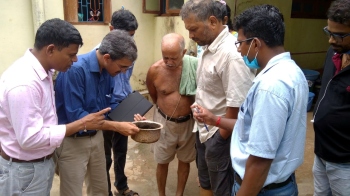
Valpoi Community Health Centre Health Officer Dr Abhijeet Wadkar, Dr Sanket Phadte, Health Inspector Gajanan Parsekar, Rama Gawas and Mauxi panchayat staffer Subhash Gaonkar visited the affected areas in Koparde and noticed that sewage was being discharged into drains since many houses do not have soak pits.
The accumulation of water in these drains was cited as one of the breeding sites for mosquitoes and the health team asked the panchayat to take urgent measures to prevent the accumulation of water in the drains.
“Some parts of the village are densely populated and there is no separate soak pit for each house. Priority will be given to setting up community soak pits for these houses. I will meet Sattari Deputy Collector Pravin Parab and apprise him of the situation,” said Dr Wadkar.
Dr Wadkar said the families in the dengue-affected areas were instructed to ensure there is no accumulation of water, which could become mosquito-breeding sites.
The health team also visited the affected areas in Satode-Nagargao and found that water had been stored at many places on agricultural farms.


