PANAJI
Significant archaeological discoveries dating back to between the 14th and 16th centuries have emerged during restoration work at the historic Shree Saptakoteshwar Temple at Divar, indicating the existence of an ancient temple complex and a sacred corridor at the site, Chief Minister Pramod Sawant said.
Sawant said the discoveries were made along the old pathway between Koti Tirth and Madhavachi Talli and included several architectural remains associated with successive phases of temple construction.
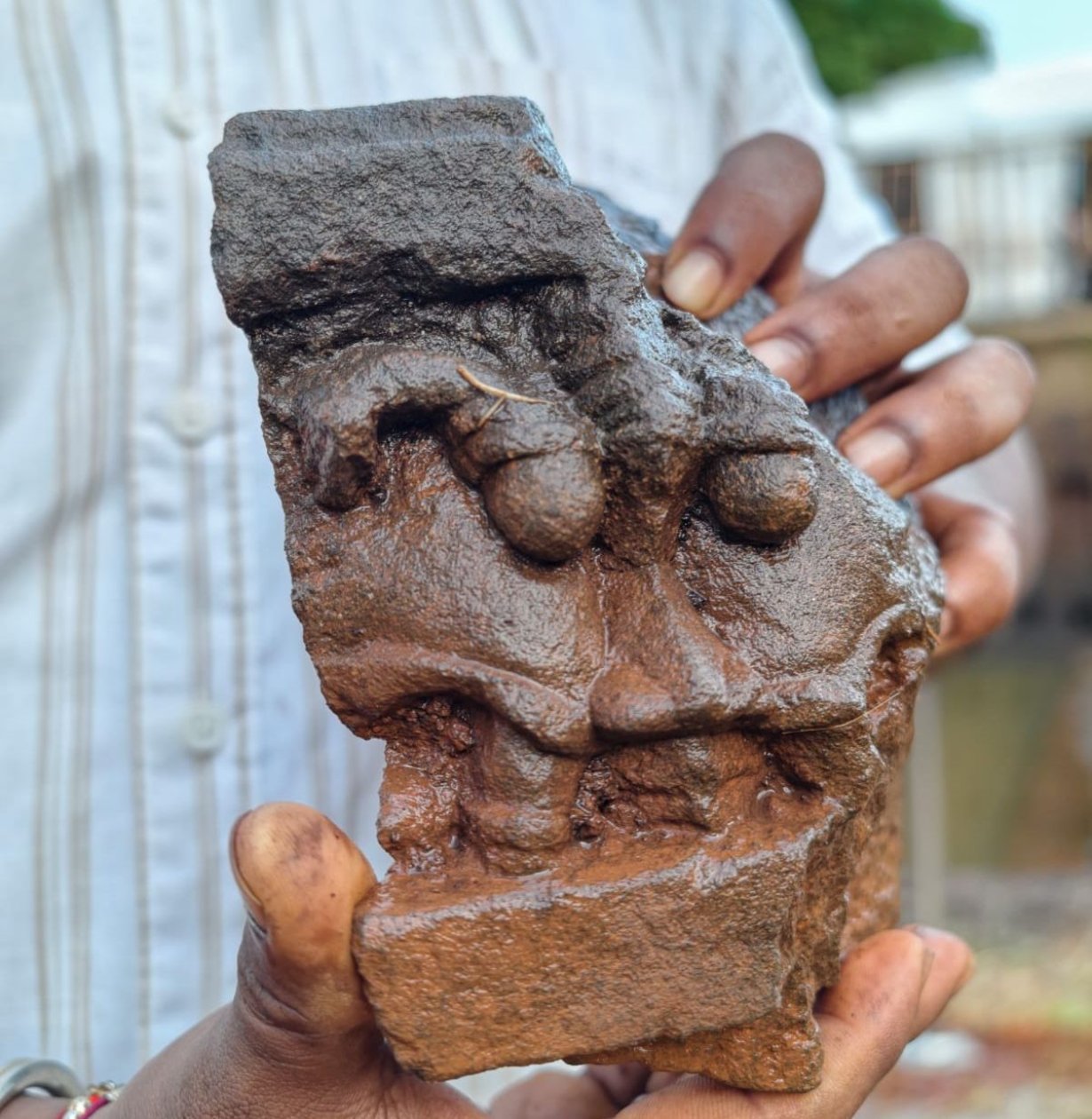
Among the significant finds is a Kirtimukh motif, traditionally carved above temple doorways, along with a carved capital of a temple pillar and portions of Dev Khostam, architectural elements used for placing idols. “The variety of stone typologies and temple motifs points towards successive reconstruction of the temple during the Vijayanagar period, following the destruction of the earlier Kadamba period temple,” Sawant said. He termed the successive-era temple relics an important archaeological discovery that strengthens the historical chronology and sacred legacy of the ancient site in Goa. The findings assume significance as they provide material evidence of the temple’s architectural evolution across different historical periods, particularly the transition from the earlier Kadamba-era structure to subsequent reconstruction during the Vijayanagar period. Sawant said the discoveries had added to the understanding of the historical and religious significance of the Saptakoteshwar site. “These successive era temple relics are an important archaeological discovery that strengthens the historical chronology and sacred legacy of this ancient site in Goa,” he said. “Our government remains committed to preserving, restoring and bringing Goa’s rich civilisational heritage to light,” the chief minister added.