MARGAO
Dark clouds gathering over the skies signal the return of a familiar and troubling reality ” the annual cocktail of untreated sewage, plastic waste, weeds and other pollutants waiting to be flushed from Margao and adjoining villages into the River Sal before eventually emptying into the Arabian Sea at Betul.
Environmentalists and local residents fear that the monsoon runoff will once again expose the failure of authorities to tackle rampant pollution of the river. Storm water nullahs criss-crossing Margao, originally meant to drain rainwater, have long turned into carriers of raw sewage and untreated wastewater. During the rains, these drains discharge massive quantities of contaminated water directly into River Sal.
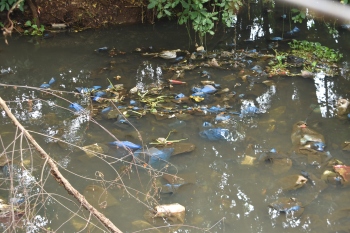
Adding to the crisis is the unchecked dumping of plastic waste along riverbanks, culverts and nullahs. Large quantities of plastic waste lying uncleared in low-lying areas is expected to be swept into the river with the first spell of rain, when the river Sal runs in full spate, further aggravating pollution levels and threatening marine ecosystems downstream.
Residents say the fears are far from misplaced. Waste dumping into River Sal at several locations has become an open secret, with little or no intervention from authorities to remove accumulated garbage from the riverbed. Locals have also raised concerns over the functioning of the Margao Municipal Council’s door-to-door waste collection system, alleging that plastic waste often remains strewn along roadsides and near water channels for days.
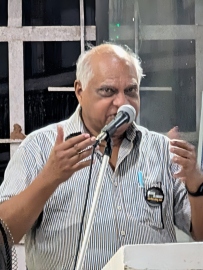
“Once the rains begin, all this waste will directly enter the river and finally flow into the sea,” said social activist Miguel Fernandes, pointing to heaps of plastic litter near the Mungul bridge over the Sal.
Sources further claimed that some commercial establishments allegedly discharge sewage and effluents into the river during the monsoon season, taking advantage of the increased water flow to dilute and carry away waste unnoticed.
The growing pollution burden has also sparked concern among traditional fishing communities dependent on the river and the coastal ecosystem for their livelihood. A year ago, Benaulim-based traditional fisherman Pele Fernandes had made an emotional appeal to the public to stop dumping plastic waste in the open.
Fernandes had warned that plastic waste discarded on roadsides and open spaces eventually finds its way into the river and then into the Arabian Sea, posing a serious threat to marine life and coastal livelihoods. “People must understand that the plastic they throw away does not disappear. It reaches the sea and affects fish, marine species and the livelihood of fishermen,” Fernandes had said.
Environmental activists say the recurring pollution crisis highlights the urgent need for authorities to desilt and clean storm water drains, prevent illegal sewage discharge, intensify waste collection and initiate regular river-cleaning drives before the monsoon intensifies.