MAPUSA
The Porvorim elevated corridor was supposed to be Goa’s new symbol of speed, smoother travel and modern infrastructure.
Instead, within hours of opening, it became the scene of a tragedy that has raised a far more uncomfortable question:
Was the corridor ready for traffic – or was it merely ready for inauguration?
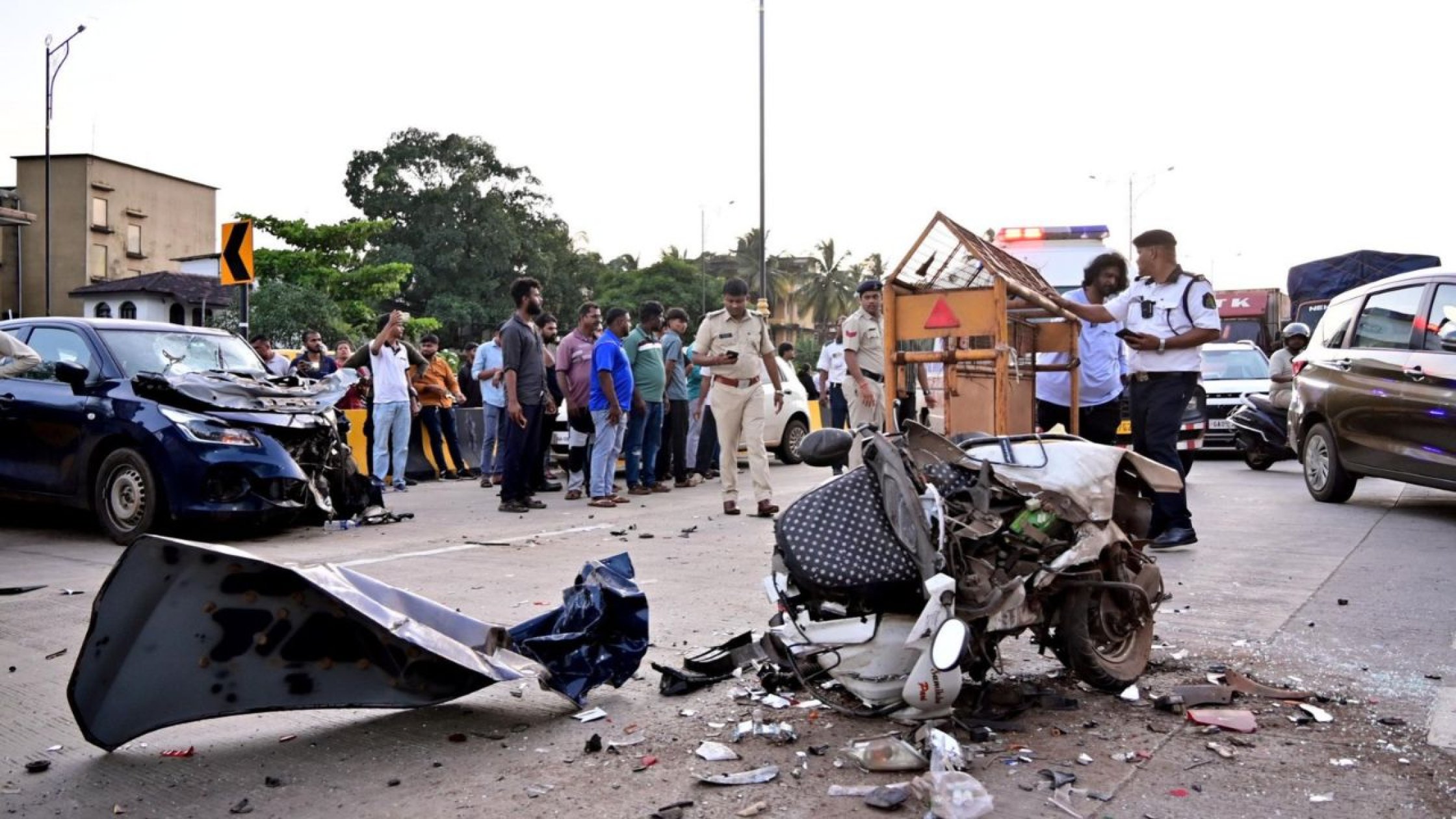
Two people died after a horrific crash at the corridor’s exit point. Preliminary reports point to rash driving by the car driver. If proven, the driver must answer for it. But that cannot be the end of the story.
Because the crash did not occur in the middle of an ordinary road. It happened at one of the corridor’s most critical points – where vehicles coming off the elevated road meet traffic from the service road, with motorists having to decide whether to head towards Panaji, enter the service road or continue towards the Atal Setu.
And this is precisely where the question of road safety and traffic management comes in.
The warning was
already there
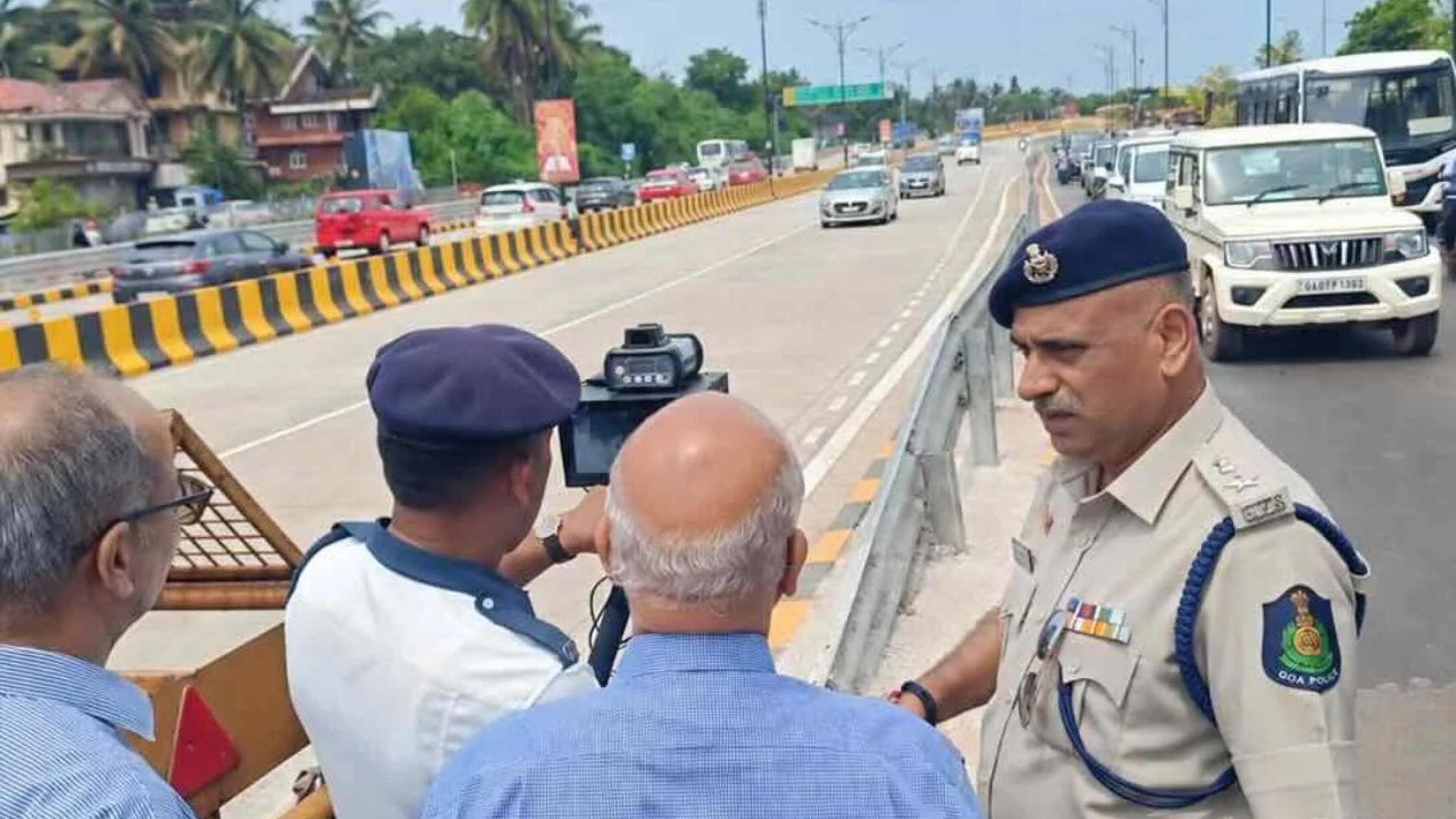
The traffic department was not unaware of the potential danger. North Goa Traffic DySP Sudesh Narvekar has said his department had written to the PWD, pointing out possible problem areas and suggesting measures to prevent accidents.
Among the suggestions was proper channelisation of traffic at the entry and exit points, where the elevated corridor merges with the service roads, besides adequate signage.
“We had written a detailed letter to the PWD about the possible problem areas and listing the measures to be initiated to avoid incidents,” Narvekar said.
That statement changes the complexion of the tragedy.
If the danger zones had already been identified, what happened to the warnings?
Were the suggested measures implemented before the corridor was opened?
If they were, were they adequate? And if they were not, why was the road opened?
These are questions the PWD (NH) now needs to answer.
PWD unaccountable?
North Goa District Road Safety Committee member Roland Martins takes the issue further. According to him, the Road Safety Committee was never taken into confidence on the corridor. There was no presentation before the committee and no opportunity to offer suggestions, he claimed.
Martins has been particularly scathing about what he describes as the attitude of PWD (NH).
“They are thick skinned. They don’t want to be held accountable and don’t want to be transparent in their operations,” he alleged.
The tragedy makes one part of it impossible to ignore: Who does PWD (NH) answer to when it comes to road safety?
A road can be technically completed. It can be inaugurated with great fanfare. It can be declared ready for traffic.
But before thousands of motorists are sent onto it, someone has to answer a much simpler question: Is it safe? Was there a final safety check? Did the heads of the concerned departments jointly inspect the corridor before opening?
And did anyone conduct a final safety review after the road was actually ready for traffic, rather than merely after construction was completed?
The corridor is expected to carry 70,000-80,000 vehicles a day, with traffic eventually projected to cross one lakh. That makes the safety of its entry and exit points far more important than simply ensuring that vehicles can travel quickly along the elevated stretch.
Attempts to contact PWD (NH) officials for their response were unsuccessful.
Blame the driver
and the road too
There is a danger that the entire episode will be reduced to one sentence: The car was speeding and caused the accident. If that is established, the law will take its course. But road safety cannot operate on the assumption that every motorist will behave perfectly.
That is why the Porvorim tragedy needs two investigations: One into who caused the crash. And another into whether everything that could have been done to prevent such a crash was actually done before the corridor was opened.
The government now owes the public more than a finding against a driver. It owes an answer to a much bigger question: If the danger had already been flagged, why wasn't it fixed before the first fatality?